
No products in the cart.
Acson Cassette Air Conditioner
Showing the single result
- Acson Cassette Air Conditioner, Cassette Air Conditioners, Cooling Appliances
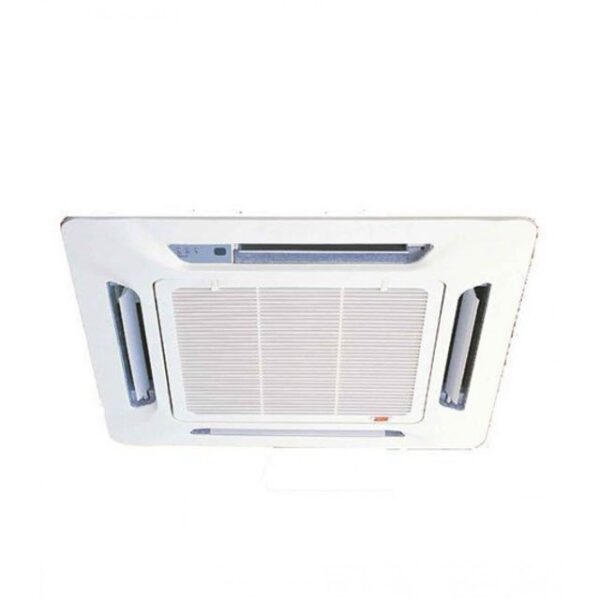
Acson Ceiling Cassette Heat And Cool Air Conditioner ACK25ER/ALC25CR
 Acson Cassette Air Conditioner, Cassette Air Conditioners, Cooling Appliances
Acson Ceiling Cassette Heat And Cool Air Conditioner ACK25ER/ALC25CR
0 out of 5(0)- Heat and Cool
- Stylish flat panel
- Comfortable airflow
- Low noise level
- Auto-restart
SKU: n/a
Showing the single result
Acson Cassette Air Conditioner — Shop in Pakistan (1.5 Ton & 2 Ton)
Shop Acson Cassette AC (Quick Filters)
Filter by Capacity (1.5 Ton & 2 Ton / ~18,000–24,000 BTU)
Choose your Acson ceiling cassette AC by room size and heat load. For standard offices and cabins, a 1.5 ton unit often fits typical rooms with moderate footfall, while a 2 ton (≈24,000 BTU) suits larger spaces and busier retail floors. If your area gets strong afternoon sun or has many occupants, consider sizing up for headroom. We’ll help you match tonnage with Karachi and Lahore conditions so you get fast pull-down without overloading your bill.
Modes & Technology (Inverter, Heat & Cool, 4-Way Airflow)
Acson cassette air conditioners are available with inverter control for smoother temperature and improved energy efficiency. Many models are heat & cool, giving year-round use, and the 4-way cassette AC panel throws air evenly across the room. For ceiling mounted cassette ACs, look for built-in drain pump and user-friendly wired controllers to simplify daily operation.
Best For (Offices, Retail, Salons, Cafés, Classrooms)
Ceiling cassette air conditioners work best where clean aesthetics and uniform coverage matter. Offices and meeting rooms benefit from quiet operation and even throw; salons and retail stores appreciate the flush ceiling panel; cafés and classrooms get better distribution across seating. If you need help shortlisting, start here: Acson Cassette Air Conditioner.
Why Choose Acson Cassette AC?
Uniform Cooling with 4-Way Airflow
The 4-way louver design pushes air in all directions to reduce hot spots in corners or near glass. Because the unit sits in the ceiling grid, airflow is high yet unobtrusive, making it suitable for client-facing spaces. Proper placement near the center of the room helps maintain comfort without blasting occupants directly.
Energy Efficiency & Inverter Comfort
With inverter cassette AC options, the compressor modulates to meet the actual load, which can lower noise and help stabilize indoor temperature. In real Pakistani usage, this often means fewer spikes on the meter and steadier comfort during long summer days. Pair with sensible set-points (24–26°C for cooling, 20–22°C for heating) to balance comfort and bills.
Clean Air & Long-Term Reliability
Look for washable filters, copper condensers, and self-diagnostic protections to minimize downtime. Regular filter cleaning and a clear condensate path keep performance high, especially in dusty urban environments. When in doubt, ask for the model’s filtration type, refrigerant, pump head, and controller options before you order.
Capacity & Room-Size Guide (Pakistan Conditions)
Quick Sizing (Area, People, Sunload)
Start with room area, average occupancy, and sun exposure. For typical offices or retail cabins with standard ceiling height, estimate roughly 100–120 sq ft per ton as a starting point, then adjust for sun-facing glass, machinery (e.g., salon equipment), and door opening frequency. Spaces with heavy afternoon sun or high footfall in Karachi often need a step-up in capacity to avoid sluggish pull-down during peak hours.
Ventilation and fresh-air makeup also matter. If you’re introducing outside air or running heat-generating equipment (lights, ovens, servers), increase capacity or consider multiple cassettes to maintain even temperatures across the floor. Balanced sizing protects comfort and lowers compressor stress over time.
1.5 Ton vs 2 Ton — Which Fits What
Choose 1.5 ton for compact cabins, meeting rooms, and boutique shops where heat load is moderate and doors aren’t opening constantly. Step up to 2 ton (≈24,000 BTU) for open-plan offices, salons with busy stations, and retail floors with frequent customer traffic. When in doubt, evaluate peak conditions—not just average—to keep noise and run-times reasonable.
If the space is long or L-shaped, consider two smaller units for better distribution instead of one oversized cassette. This reduces drafts under a single outlet and evens out temperatures at the far end of the room.
Power & Wiring Basics
Confirm available amperage, breaker, and cable size before installation. Many inverter cassette ACs have soft-start behavior, but you still need the correct MCB and dedicated wiring path. Discuss stabilizer/UPS compatibility with your electrician if your site experiences voltage fluctuation—common in commercial districts.
Plan the drain route early. A clear gravity fall or a pump with adequate lift prevents water alarms and ceiling damage later. Keep inspection access free so technicians can reach filters and the pump without dismantling the ceiling grid.
Models & Key Specs (What to Compare)
Must-Check Features Before Ordering
Prioritize these checklist items for your Acson cassette air conditioner: inverter vs non-inverter, heat & cool capability, refrigerant type, included wired controller, drain pump head, and panel style. For commercial sites, look for error-code diagnostics and service-friendly layouts to cut downtime.
If you want to browse options first, start at the cassette hub: Cassette Air Conditioners. We’ll help you shortlist models that suit your space and budget.
Ceiling Integration & Drainage
Most ceiling cassettes are designed around common grid modules for a flush, clean look. Exact panel size and chassis height vary by model, so confirm dimensions before finalizing gypsum boards, lighting positions, and sprinkler layouts. Plan a short, direct drain path; if using the built-in pump, verify lift height and keep a service loop for maintenance.
Placement near the room’s thermal center improves comfort and reduces short-cycling. Avoid locating the unit directly above seating where strong downdrafts might bother occupants—use louver direction and fan steps to fine-tune airflow.
Maintenance Access & Filter Care
Schedule monthly filter checks in dusty corridors and quarterly checks in cleaner offices. Keep a clear panel drop zone for technicians, and ensure the drain line has an accessible trap for periodic flushing. A simple maintenance plan extends life and safeguards warranty conditions.
Prices in Pakistan — How to Get Today’s Rate
Why Acson Cassette AC Prices Vary
Acson cassette AC price in Pakistan can change with the dollar rate, shipment cycles, seasonal demand, and installation scope (piping length, core cutting, drain routing). Model options such as inverter, heat & cool, and controller type also affect the final Acson cassette air conditioner price. For commercial jobs, add allowances for electrical upgrades, scaffolding, or extended copper lines.
To avoid surprises, align the quote with your site plan: room dimensions, ceiling height, ceiling grid, preferred panel style, and any fresh-air requirement. This lets us confirm stock and prepare an itemized proposal that matches your actual use case.
How to Confirm Today’s Deal
1) Share your room size, photos of the ceiling grid, and breaker details. 2) We’ll suggest 1.5 ton or 2 ton shortlists with inverter/heat-&-cool options. 3) We issue a pro-forma including unit cost, standard installation, and any extras (if needed). 4) You approve and schedule delivery/fit-out. For fastest response, call 0321 2222391 (Yasir Electronics).
If you prefer browsing first, check in-stock models here: Acson Cassette Air Conditioner category. We’ll then lock the price against the invoice and reserve your units for installation.
Same-Day Store Pickup (Karachi)
Need it urgent? Visit Yasir Electronics, Hashoo Centre, Shop 61, Abdullah Haroon Road, Saddar, Karachi with your site details. We can coordinate delivery within the city and connect you with installers for immediate scheduling where feasible.
Installation & After-Sales (Nationwide Coordination)
Site Visit Checklist (Ceiling, Power, Drain)
Before installation, verify: 1) ceiling grid opening and structural support, 2) clear condensate drain route or pump head sufficiency, 3) dedicated MCB and correct cable gauge, 4) indoor placement close to the thermal center, away from direct seating. Good prep reduces call-backs and helps the inverter run efficiently.
For multi-room floors, plan unit placement by heat zones (glass frontage, kitchens, server corners). Mark service access so technicians can drop the panel for filter cleaning and pump checks without damaging the ceiling.
Standard Scope vs Exclusions
Standard scope typically includes mounting, basic refrigerant connections within a defined piping length, and drain connection to a nearby point. Possible exclusions (quoted if needed): extended copper lines, core cutting, scaffolding, electrical upgrades, false ceiling modification, and specialized pumps or traps. Clarifying these up front prevents delays on installation day.
We’ll note all add-ons on your invoice so your accounts team has full visibility—useful for retail chains and office fit-outs.
Warranty & Service Flow
Units carry brand warranty terms (coverage varies by model and usage). Keep your purchase invoice and installation record for claim support. Routine maintenance—filter cleaning, drain flushing, and coil care—protects performance and helps keep bills stable. For service or spare parts guidance, contact 0321 2222391 with your invoice number and visit the store at Saddar for quick triage.
Commercial Use Cases & Layout Tips
Offices & Meeting Rooms
Place the cassette near the thermal center to avoid drafts on workstations. Use wired controllers to fix set-points and lock schedules so the unit doesn’t run after hours. For boardrooms with AV gear, consider slightly higher set-points and steady fan speed to control noise on microphones.
Retail & Salons
Busy doors and hot lights create heat islands. Aim airflow toward aisles and waiting zones, not directly onto product displays. If your storefront faces west in Karachi, size capacity with afternoon peaks in mind and review the need for an entrance solution to reduce conditioned air loss.
Cafés & Classrooms
Seating density varies during the day, so use inverter modes and fan steps to smooth demand. Classrooms benefit from even throw; plan for periodic window opening or fresh-air strategies and keep filters clean to maintain air quality.
Compare Alternatives (If Cassette Isn’t the Best Fit)
Ceiling Concealed (Ducted) vs Cassette
Ducted systems hide the grille and can serve multiple rooms via branches, but they need more ceiling depth and careful duct design. Cassette ACs are simpler to deploy in grid ceilings and cool a single zone very evenly. If you’re considering ducted, see our Ceiling Concealed options for reference.
Floor Standing AC for Large Halls
For tall atriums or halls with frequent door opening, floor standing units provide strong throw and are easier to service without ceiling access. They can complement cassettes in challenging perimeters or event spaces.
Add-Ons: Air Curtain at Entrances
An air curtain helps retain conditioned air when doors open frequently—useful for retail and salons. Pairing with a cassette can improve comfort at the entrance and cut compressor runtime.
FAQs
1.5 Ton suits compact rooms with moderate footfall; 2 Ton is better for larger or busier spaces, especially with sun exposure or high people load. Always check peak conditions before deciding.
Inverter control modulates output to the actual load, reducing on/off cycling and helping stabilize energy use during long summer days. Set sensible temperatures and keep filters clean to see the benefit.
Confirm panel size and chassis height against your ceiling grid and gypsum plan. Higher ceilings may need a capacity step-up or different airflow strategy to maintain comfort at seating height.
Many models are heat & cool. Verify the model’s heating capacity and operating range if you plan to use heating regularly in winter.
In dusty zones, inspect monthly; otherwise quarterly. Clear the drain trap and check the pump lift periodically to prevent water alarms.