
Cooking Appliances
 ₨245,000Number of Hobs: 4Number of burners/cooking zones: 4Hob type: ElectricCase design: Free StandingControl type: ManualBuilt-in display: NoOven type: ElectricNumber of ovens: 4...
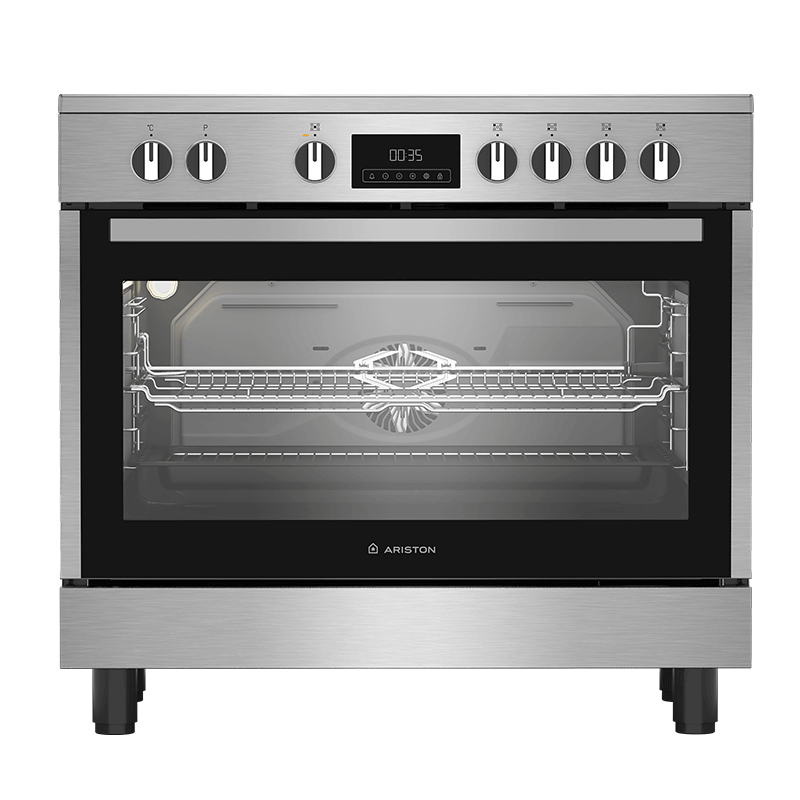
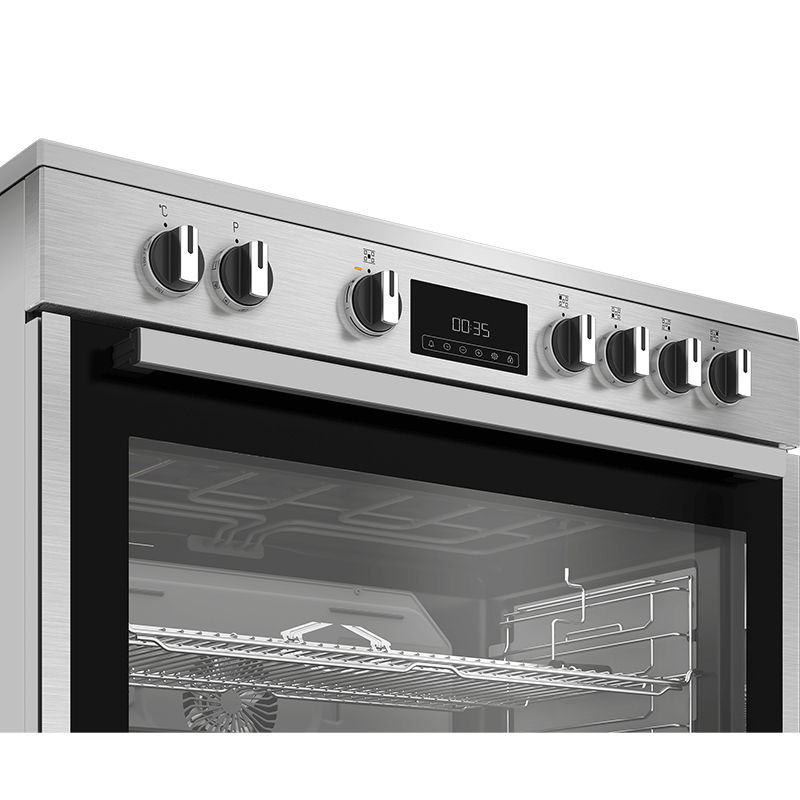
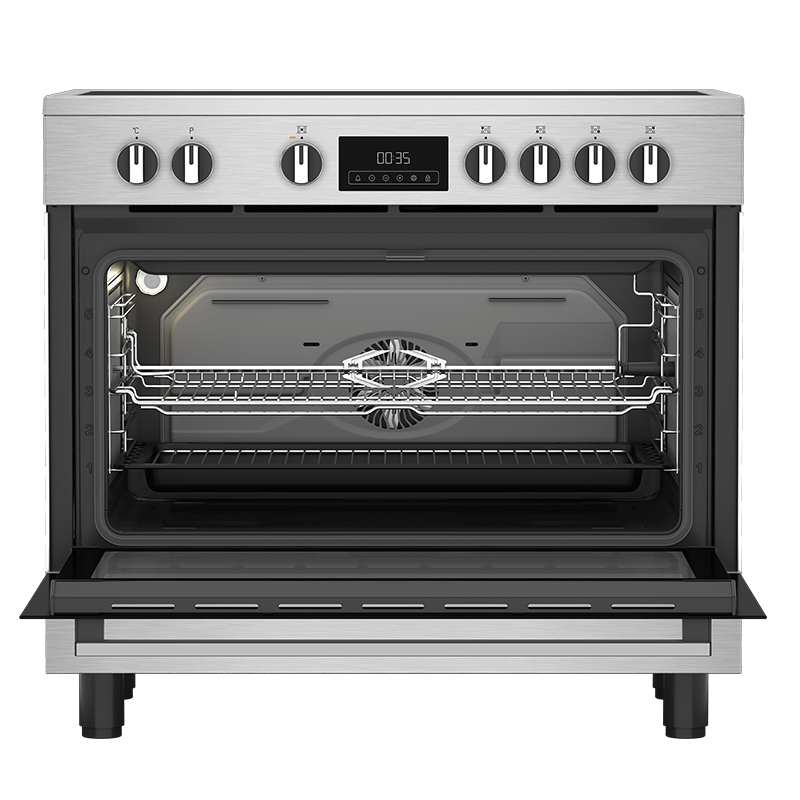
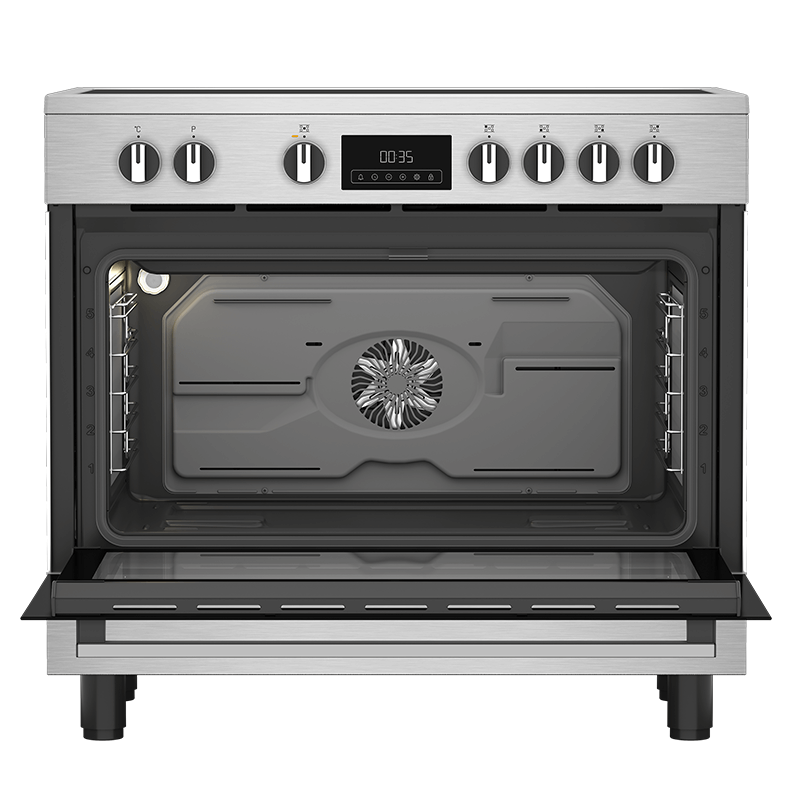
 ₨345,000Low profile stainless steel cooking surface is easily accessible and quick to clean.Continuous grate design to easily move heavy pots and pans.cooking at up to 4 kW.XXL Cavity delivers you 147 litres of maximum space to bake and roast meals in bigger portions for...
 ₨370,000XXL Cavity delivers you 147 litres of maximum space to bake and roast meals in bigger portions for...Full Glass Door supports quick and easy cleaning by removable inner glass of the door.Closed Door Grilling retains heat and odors within the cooker and reduces your cooking time.Rotisserie delivers the best homemade rotisserie chicken with the perfect brown look.Cast Iron Pan Support provides extra support for your heavier pots and pans.
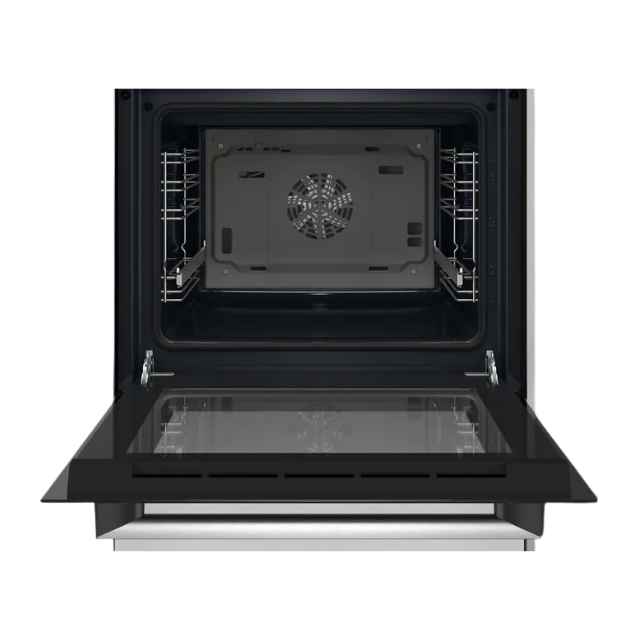
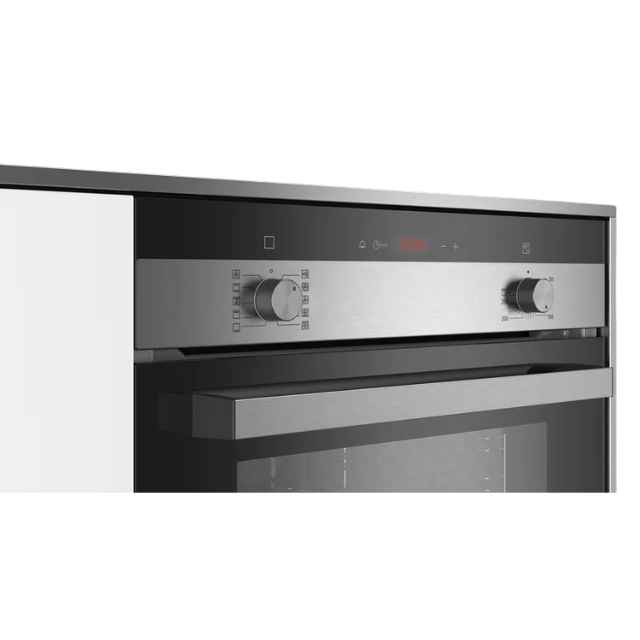
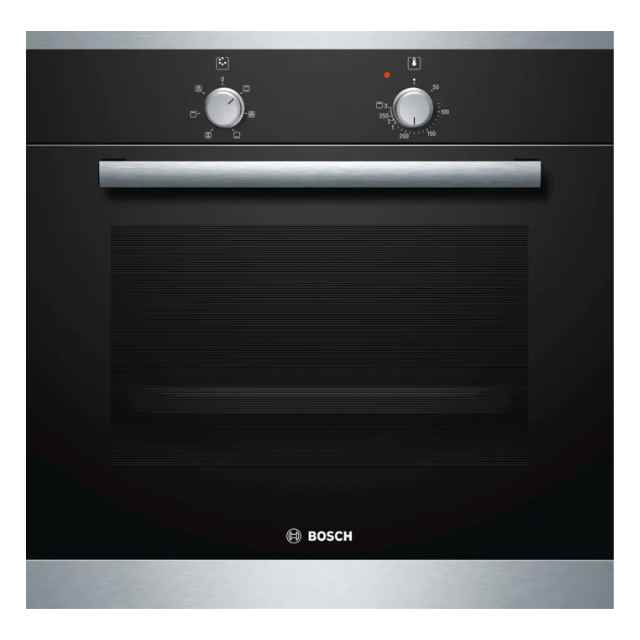 ₨250,000Model: Bosch HBN301E6T Built-In OvenCapacity: 60 litersCooking Functions: Convection, grill, conventional baking, defrostingControl Type: Mechanical control knobsMaterial: Stainless steel exterior, triple-layer glass doorInstallation Type: Built-inVoltage: 220-240V, 50-60HzDimensions: 595mm x 595mm x 550mm
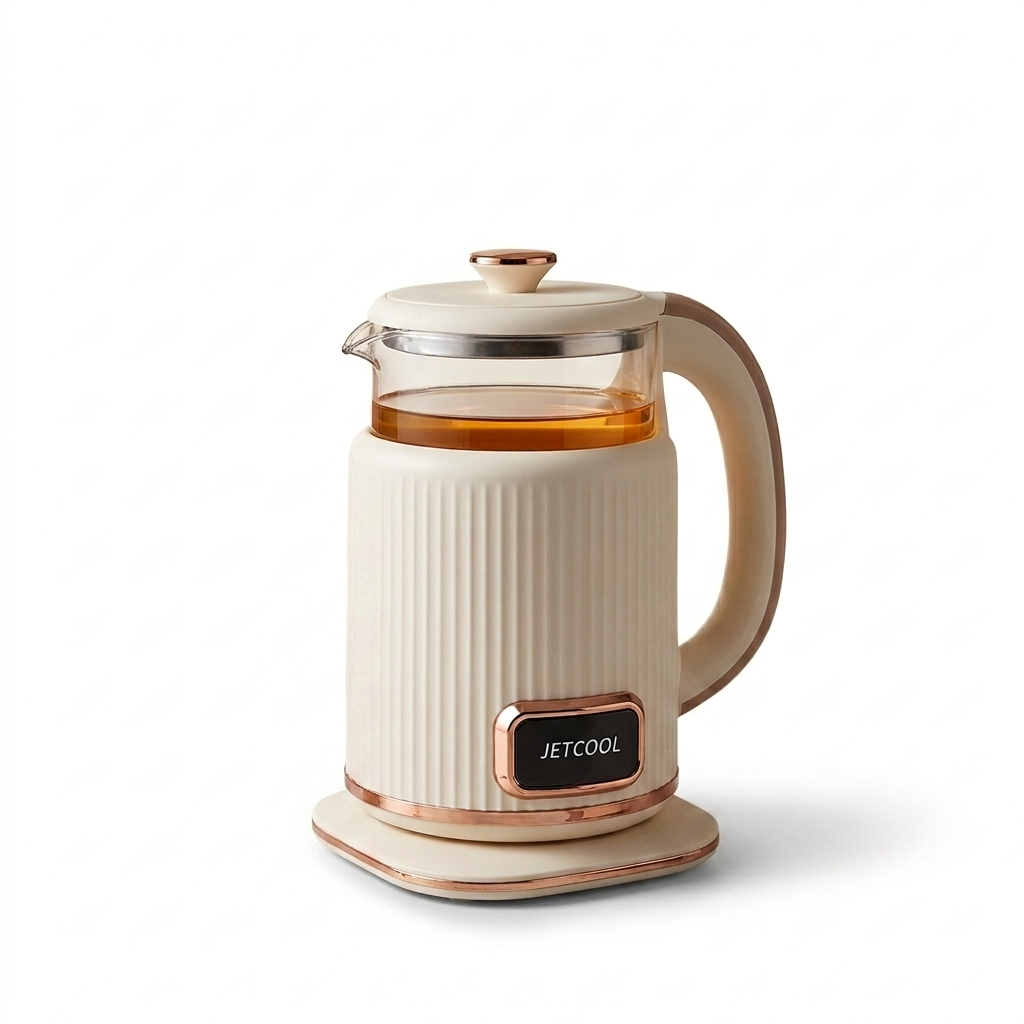 ₨10,500Model: JT-K180Capacity: 1.8 LPower: 1355 WVoltage: 220 VFrequency: 50 Hz
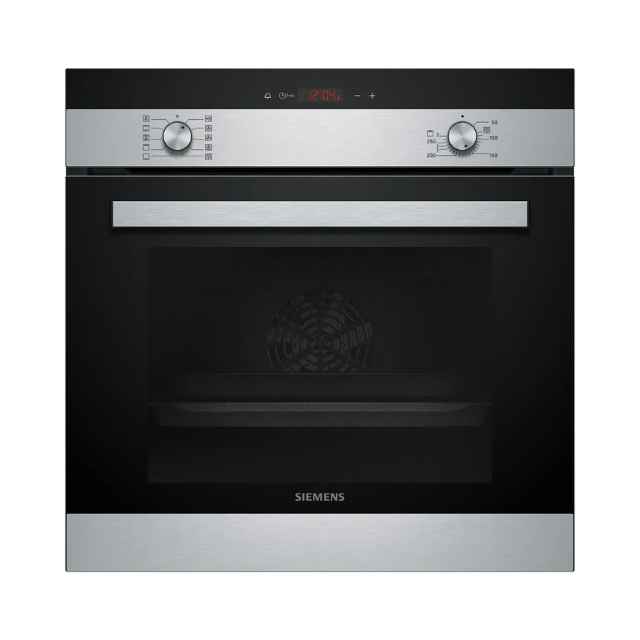 ₨310,000Colour: Stainless SteelNumber Of Cooking Modes: 7Range Of Temperature (°C): 50-275 °CSafety Device: Childproof LockDetachable Door Glass: YesDimensions: 595x594x548 mmNet Weight: 33.2 kgPizza Setting: Yes
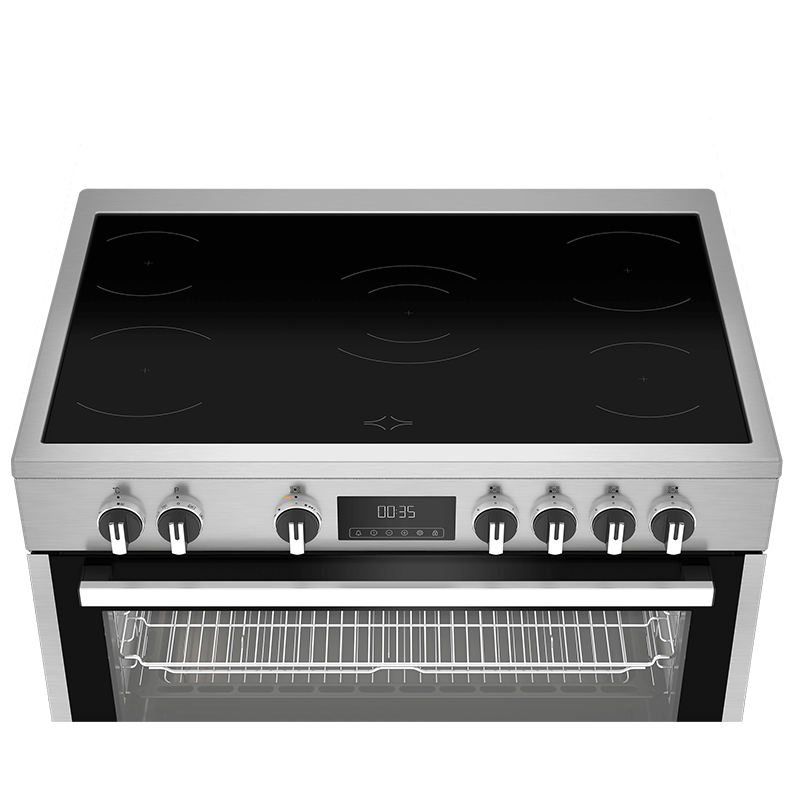
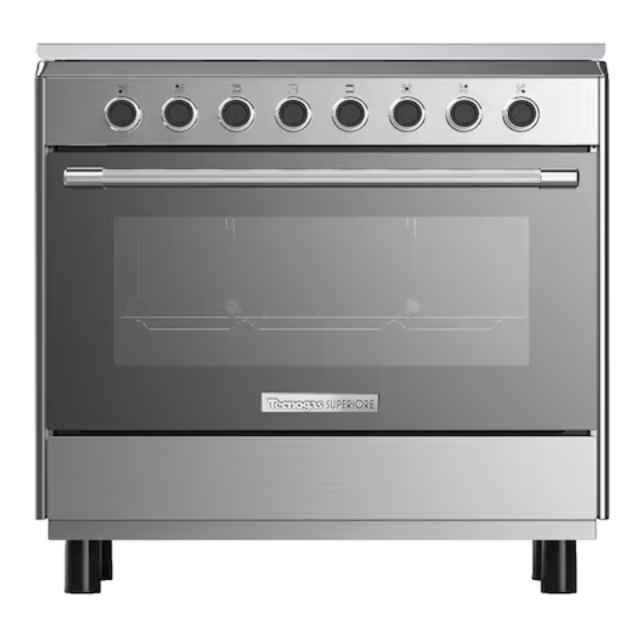 ₨430,000Five powerful burners for versatile cooking optionsSleek silver finish enhances kitchen aesthetics significantly90cm width accommodates large pots and pansNumber of Hobs: 5Case design: Free StandingControl type: Knob ControlBuilt-in display: NoDimensions WxDxH: 900x600x850mm...
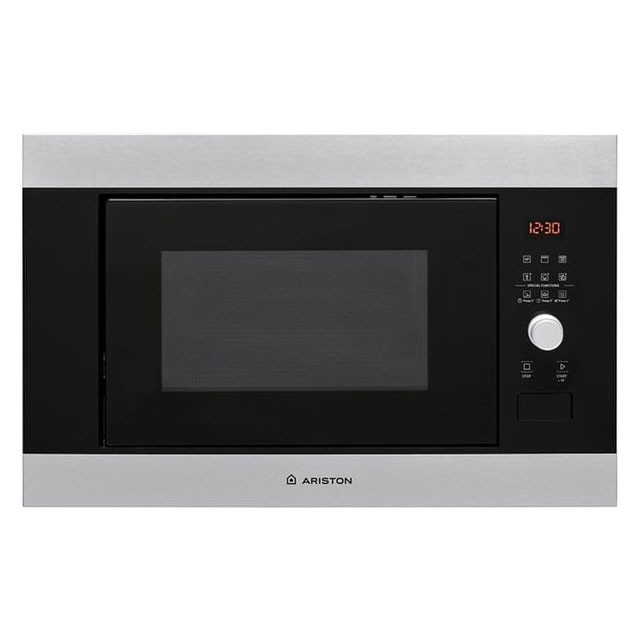 ₨175,000Color: BlackOven Capacity: 25Built In / Free Standing: Built In
 ₨195,000Hob type: ElectricNumber of Heating Element: 4Width (cm): 58.0
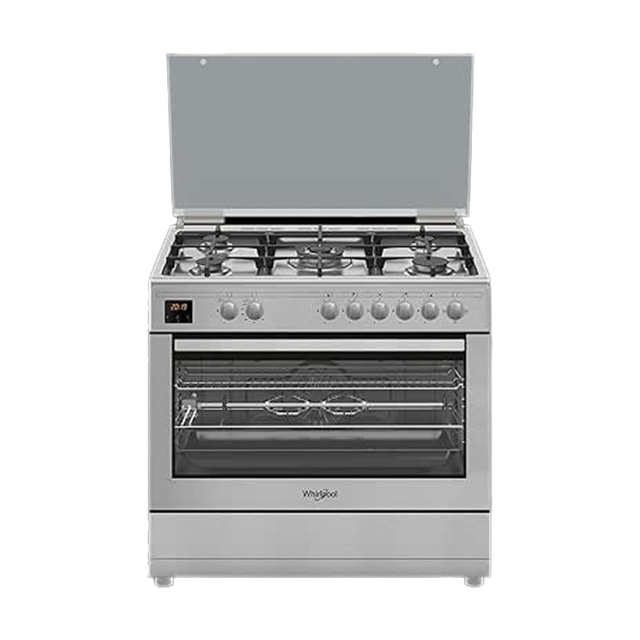 ₨385,000Whirlpool Gas Cooker features oven+grill and 5 gas including triple crown(sabaf) with 89L cavity capacityHeavy duty cast iron pan supportGlass oven door with a mirror finishAuto electric ignition
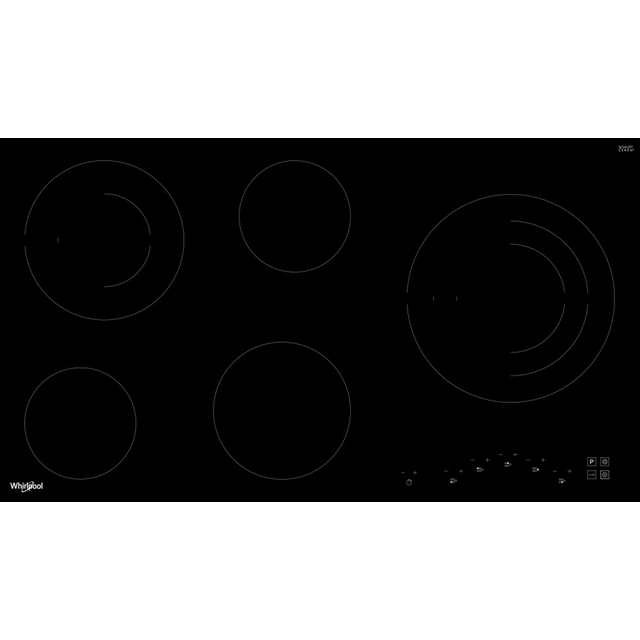 ₨440,000Height of the product: 60Width: 900Depth of the product: 510Maximum niche width: 882Minimum niche width: 880Energy input: Electric
 ₨175,000Stainless steel oven interiorDoor material: GlassFront panel material: GlassDoor open type: ButtonDoor opening: Hinge on left side
 ₨175,000Main Specification Product line: Essential LineEnergy class: AColor: Stainless SteelNet weight: 29.3 kgGross weight: 31.3 kgGrill power: 2,700 WNominal power: 2.7 kW
 ₨165,000Main SpecificationBlackWok double burnerWok burnerNet weight: 16.1 kgGross weight: 17.2 kgConnected load: 1 W
 ₨125,000Main SpecificationWall-mounted cooker hoodEnergy class: BNet weight: 11.5 kgGross weight: 16.4 kgConnected load: 141 W






Cooking Appliances in Pakistan
Yasir Electronics brings together cooking appliances for different kitchen layouts and cooking styles in Pakistan. The current category includes air fryers, built-in hobs, built-in ovens, cooking ranges, electric kettles and kitchen hoods, with products suited to compact apartments, family kitchens and planned built-in installations.
The right appliance depends on what you cook, how much space you have, whether the kitchen is built around gas or electric utilities, and whether the appliance needs cabinetry, ventilation or professional installation. A freestanding cooking range may suit one kitchen, while another may work better with a separate built-in hob and oven. Use the category navigation and product listings below to choose the appliance type first, then compare current models, dimensions, features and live commercial information before ordering.
[PRODUCT GRID / CATEGORY NAVIGATION]
Types of Cooking Appliances
The main cooking-appliance categories solve different jobs. Start by identifying the function you need rather than comparing unrelated appliances by size or brand.
| Appliance Type | Primary Purpose | Installation Style | Best Suited For | Key Thing to Check |
|---|---|---|---|---|
| Air Fryer | Compact hot-air cooking and reheating | Countertop | Smaller batches and convenient everyday cooking | Usable cooking space and countertop footprint |
| Built-In Hob | Stovetop cooking | Installed into worktop | Planned or renovated kitchens | Cut-out, utility type and cookware compatibility |
| Built-In Oven | Baking, roasting and oven cooking | Integrated into cabinetry | Separate hob-and-oven kitchen layouts | Cabinet opening and electrical/gas requirements |
| Cooking Range | Cooktop plus oven in one appliance | Usually freestanding | Kitchens wanting one combined cooking unit | Width, fuel setup and surrounding clearance |
| Kitchen Hood | Captures or filters cooking fumes, grease and steam | Wall, island, built-in or other model-specific installation | Hob and range ventilation planning | Hood size, ducting mode and installation guidance |
| Electric Kettle | Boils water | Countertop | Tea, coffee and hot-water use | Capacity, controls and model-specific safety features |
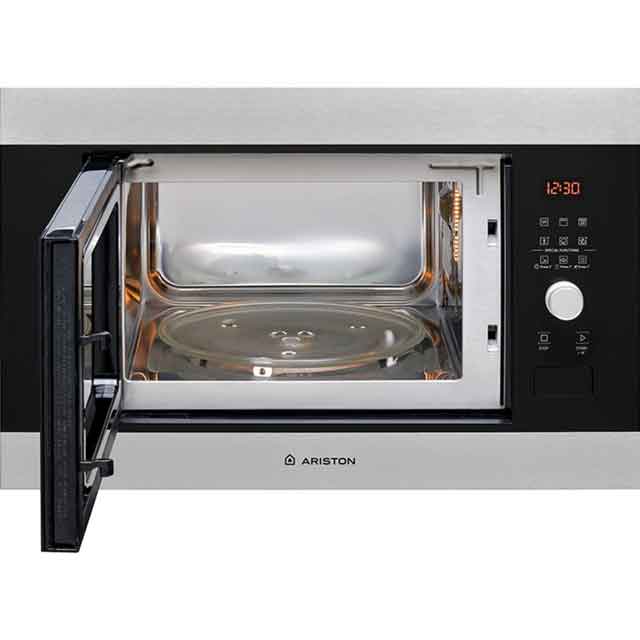
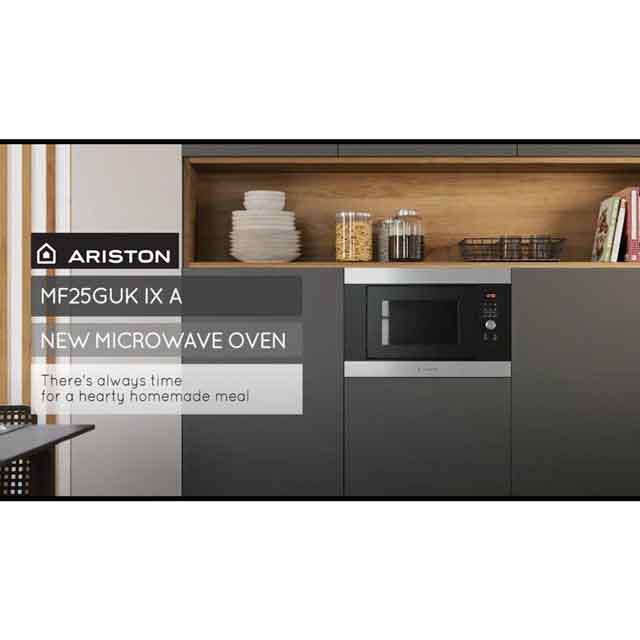
Built-in microwave products also appear in parts of Yasir's cooking-appliance structure, but microwave shopping is better handled through the dedicated Microwave Ovens category.
Which Cooking Appliance Do You Need?
Choose an air fryer when you want a compact countertop cooker for smaller batches, reheating or hot-air cooking without using a full-size oven for every task.
Choose a built-in hob when your kitchen is planned around a separate cooking surface and oven. Choose a built-in oven when you want the oven integrated into cabinetry and positioned independently from the hob.
Choose a cooking range when a single freestanding appliance combining the cooking surface and oven better suits the kitchen. Add a kitchen hood when the cooking area needs dedicated ventilation support. An electric kettle is a separate convenience appliance for boiling water rather than a substitute for a hob or oven.
Built-In vs Freestanding Cooking Appliances
| Factor | Built-In Appliances | Freestanding Appliances |
|---|---|---|
| Kitchen integration | Designed around cabinetry or worktop cut-outs | Placed as a complete standalone unit |
| Measurements | Requires careful cabinet and cut-out planning | Requires appliance footprint and clearance planning |
| Relocation | Usually more fixed once installed | Potentially easier to relocate |
| Design flexibility | Hob and oven can be positioned separately | Combined functions may simplify layout |
Neither approach is automatically better. Built-in appliances can create a coordinated fitted kitchen, while freestanding appliances may reduce cabinetry constraints. The correct choice depends on layout, utilities and replacement plans.
Built-In Hob vs Cooking Range
A built-in hob is a cooking surface installed into the kitchen worktop. A cooking range is generally a freestanding appliance that combines a cooktop with an oven.
A hob gives more freedom to position the oven elsewhere, including at a different height. A range can simplify the setup by combining the main cooking functions in one footprint. Buyers should compare burner or zone requirements, oven needs, available width, gas or electrical connections and the amount of cabinetry work required.
Gas vs Electric Cooking Appliances
Gas and electric cooking systems offer different operating characteristics, and neither is automatically the right choice for every Pakistani kitchen.
Gas cooking provides a visible flame and immediate flame adjustment where the appliance and local gas setup are compatible. Electric cooking can include radiant or ceramic hobs, induction hobs and electric ovens, each with different installation and cookware requirements.
Do not assume gas is always cheaper or electric is always safer. Running cost depends on appliance efficiency, cooking habits, operating time and local utility tariffs. Utility compatibility should be checked before purchasing a built-in appliance or cooking range.
Gas vs Ceramic vs Induction Hobs
A gas hob uses flame. A ceramic or radiant electric hob uses heating elements beneath a smooth cooking surface. An induction hob uses electromagnetic energy to heat compatible cookware.
A smooth glass surface does not automatically mean the hob is induction. Ceramic and induction appliances can look similar but operate differently. The exact model description should confirm the technology before purchase.
Does Induction Require Special Cookware?
Induction hobs require cookware with a magnetically compatible base. Not every stainless-steel pan is suitable. A magnet sticking firmly to the base can be a useful indication, but cookware and hob manufacturer guidance should still be checked before relying on compatibility.
Built-In Oven vs Cooking Range
A built-in oven is installed into cabinetry and can be positioned separately from the hob. A cooking range normally combines the oven and cooktop in one freestanding appliance.
Built-in layouts can offer more flexibility in appliance placement and kitchen design. A cooking range can make replacement and layout planning simpler where a combined unit fits the available space. Compare cabinet work, oven capacity, cooking-surface needs, utilities and the long-term replacement approach.
Air Fryer vs Oven
An air fryer generally uses rapid hot-air circulation in a compact chamber. Convection ovens also circulate heated air but usually provide a different chamber size, shelf arrangement and cooking format.
An air fryer may be useful for smaller portions, quick reheating or when you do not want to heat a larger oven for a small batch. A full oven can be more practical for larger trays, baking and multi-level cooking. If you already own an oven, an air fryer can still be useful, but it should solve a real convenience or batch-size need rather than simply duplicate existing equipment.
Microwave vs Oven
A microwave oven uses microwave energy primarily for rapid heating and cooking, while a traditional oven cooks with heated air, heating elements or gas depending on the design. Convection microwave models can combine functions, but not every microwave bakes, grills or includes convection.
Buyers focused specifically on microwave capacity, grill functions or convection combinations should use Yasir's dedicated Microwave Ovens category rather than treating all microwave products as built-in ovens.
What to Compare in a Cooking Range
Cooking ranges can differ in burner or zone count, fuel type, oven design, width, controls and safety features. Check the exact model rather than assuming every range is all-gas or every large range has the same burner arrangement.
Also check pan-support design where relevant, oven functions, ignition method, required clearance and the available gas or electrical connection. Features such as flame-failure protection or convection should only be expected when the exact model specifies them.
What to Compare in a Built-In Oven
Start with cabinet compatibility. Compare the manufacturer's required cut-out dimensions, oven cavity capacity, cooking functions, controls, temperature range and electrical or gas requirements.
Convection, grill, rotisserie, steam, pyrolytic cleaning, catalytic cleaning and air-fry modes are not universal. Verify each function on the exact model rather than assuming it from the brand or product family.
What to Compare in an Air Fryer
Air-fryer capacity should be considered together with usable basket or chamber area. The same nominal litre figure can represent different shapes and practical cooking surfaces.
Check countertop footprint, controls, cleaning access, basket arrangement and electrical requirements. Dual-basket layouts or preset programmes can be useful for some households, but they are model-specific features rather than category standards.
Why Kitchen Hoods Matter
A kitchen hood does not cook food. It supports the cooking environment by capturing or filtering airborne grease, steam, odours and cooking fumes, depending on the hood design and installation.
Hood selection should be planned with the hob or cooking range rather than after cabinetry is complete. Width, mounting position, duct routing and the manufacturer's installation guidance all matter.
Ducted vs Recirculating Hoods
A ducted hood moves extracted air outside through ducting. A recirculating hood filters air and returns it to the room when the model supports that mode. Not every hood supports both arrangements, and filters or conversion accessories should not be assumed to be included.
Match Hood Width and Installation to the Hob
Compare the cooking-surface width with the hood width and follow the installation instructions for the exact hood and hob. Do not rely on one universal mounting height or extraction figure for every kitchen. Duct length, bends, room layout, cooking intensity and hood design can all affect performance.
Electric Kettle Buying Basics
For an electric kettle, compare liquid capacity, material, power rating, water-level visibility and ease of cleaning. Model-specific features may include automatic shutoff, boil-dry protection or a concealed heating element, but these should be verified before purchase rather than assumed across the category.
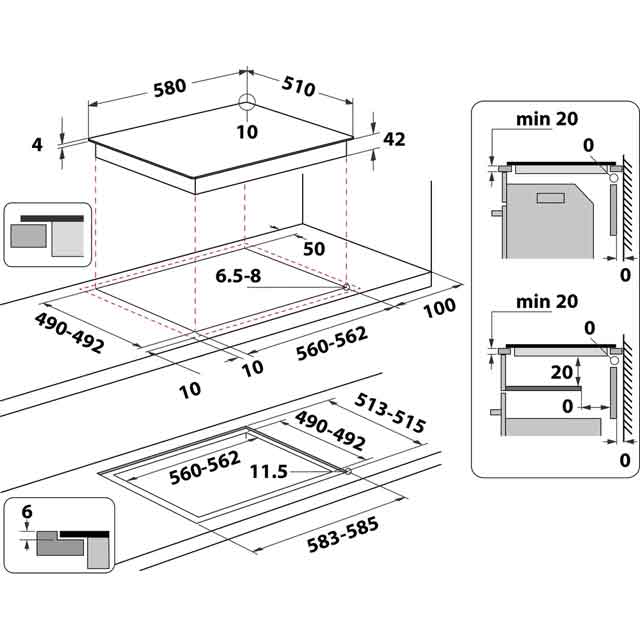
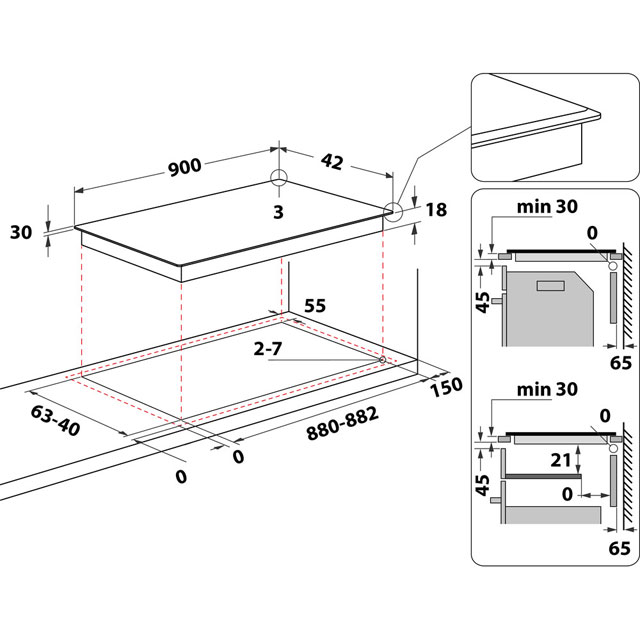
Product Dimensions vs Cut-Out Dimensions
Product dimensions and installation cut-out dimensions are not the same thing. This distinction is especially important for built-in ovens, hobs and built-in microwaves.
The exterior size tells you the physical dimensions of the appliance. The required cut-out specifies the cabinet opening and may include additional ventilation or clearance requirements. Never calculate a cabinet opening by simply copying the appliance's outside dimensions.
Measure Your Kitchen Before Buying
For built-in appliances, confirm:
- cabinet opening width, height and depth;
- manufacturer-specified cut-out dimensions;
- required ventilation and clearances;
- countertop thickness where relevant;
- door and drawer clearance;
- gas or electrical connection position;
- hood and cooktop alignment.
For a freestanding cooking range, measure the appliance space, surrounding clearance and door-opening area, then verify connection and ventilation requirements. Manufacturer installation instructions should control the final layout.
Electrical and Gas Installation Requirements
Cooking appliances can differ significantly in electrical demand. A small countertop appliance and a high-power built-in oven should not be assumed to use the same plug, circuit or installation method.
Confirm the exact voltage and electrical requirements of the product supplied in Pakistan and use qualified installation where required. Avoid using specifications from a different regional model suffix.
For gas appliances, confirm the intended gas type and follow manufacturer requirements for installation and ventilation. Do not assume a cooker or hob works with both LPG and natural gas. Some products may require approved conversion parts or adjustment by qualified personnel.
Safety Features Worth Checking
Safety features vary by appliance and model. Depending on the product, buyers may encounter flame-failure devices, child locks, residual-heat indicators, automatic shutoff, cool-touch door designs, overheating protection or boil-dry protection.
These features should be compared at model level. A category name such as “built-in oven” or “electric kettle” does not guarantee that every product includes the same safety system.
What Does Capacity Mean Across Cooking Appliances?
Capacity describes different things for different appliances. An oven litre figure refers to cavity volume, an air fryer may quote basket or chamber volume, and an electric kettle uses liquid volume. A cooking range combines oven capacity with a separate burner or zone configuration.
These figures are not directly comparable. A larger number is not automatically better if the appliance becomes too large for the kitchen, wastes usable space or does not match typical batch sizes.
Brands Available in Cooking Appliances
The current Cooking Appliances category includes products from Ariston, Bosch, Candy, Gorenje, Jet Cool, LG, Lofratelli, Milton, Robam, Sharp, Siemens, Tecnogas, Toshiba and Whirlpool.
Brand can help narrow a shortlist, but fit comes first. The right appliance also needs to match cabinet dimensions, utilities, cooking style, capacity requirements and installation conditions. A premium appliance that does not fit the planned opening or local utility setup is not the right purchase.
Choosing Cooking Appliances for Different Kitchens
Small Apartment Kitchen
Prioritise footprint, ventilation and multifunction use. A compact air fryer, appropriately sized hob or carefully selected freestanding range may help preserve counter and cabinet space, depending on how the kitchen is already equipped.
Family Kitchen
Focus on cooking frequency, oven capacity, burner or zone count, ventilation and how many dishes are prepared at once. Larger capacity is only useful when the household regularly uses it.
Built-In Modern Kitchen
Plan the hob, oven, hood and any built-in microwave before cabinetry is finalised. Cut-out dimensions, ventilation and utility positions should come from the exact model documentation.
Heavy Daily Cooking
Consider the cooking-surface layout, pan support where relevant, ventilation, oven size and ease of cleaning. Utility compatibility and service access matter as much as appearance.
Cooking Appliances for Karachi and Pakistan
For buyers in Karachi and elsewhere in Pakistan, kitchen planning should account for the exact utility setup, available ventilation, apartment or house layout, cabinetry dimensions and the regional specification of imported appliances.
International brands may sell similar-looking models in different markets with different voltage, gas setup, programmes, accessories or dimensions. Confirm the full model number and regional suffix before using an international specification page as an installation reference.
Check Regional Model Suffixes Before Buying
Similar model numbers are not automatically identical. A different suffix can indicate another regional electrical configuration, gas setup, accessory pack or feature set.
Family-level marketing also needs caution. Technologies such as induction, Wi-Fi, steam, air-fry modes, pyrolytic cleaning, child locks or automatic programmes may be available somewhere in a product family without being included on every model. Verify the exact Yasir listing and manufacturer documentation for the full model code.