
Home Appliances
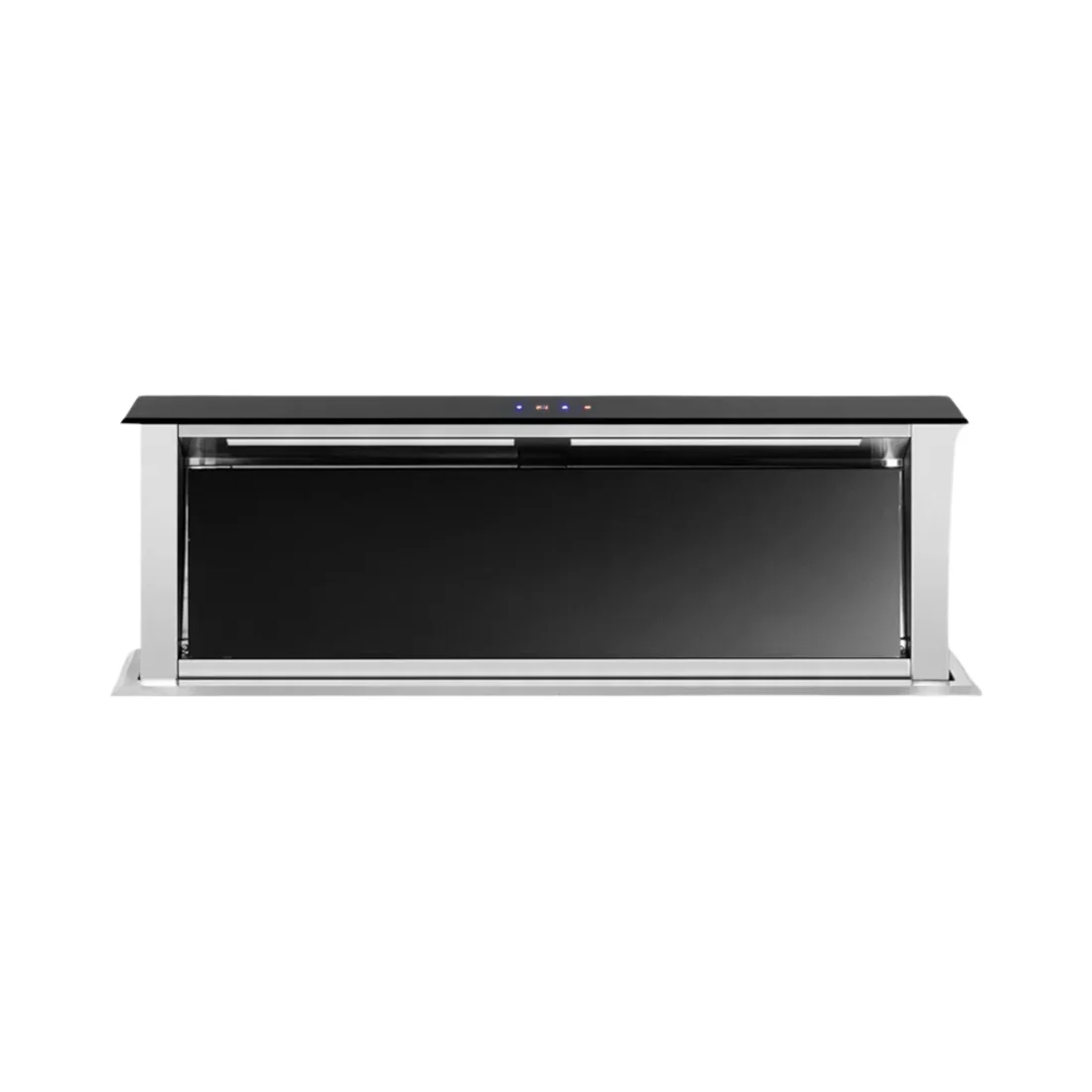
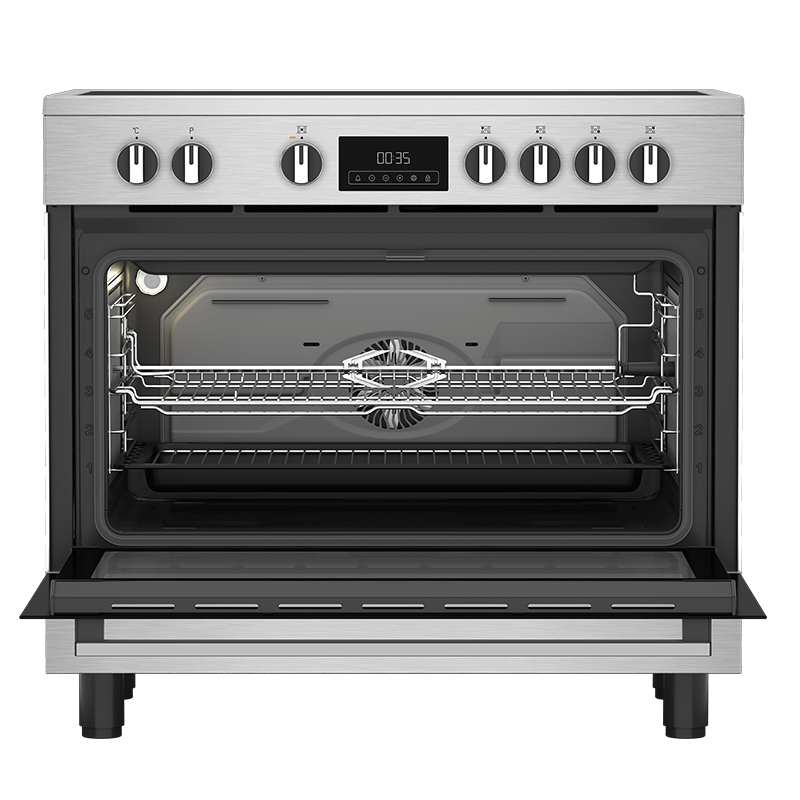
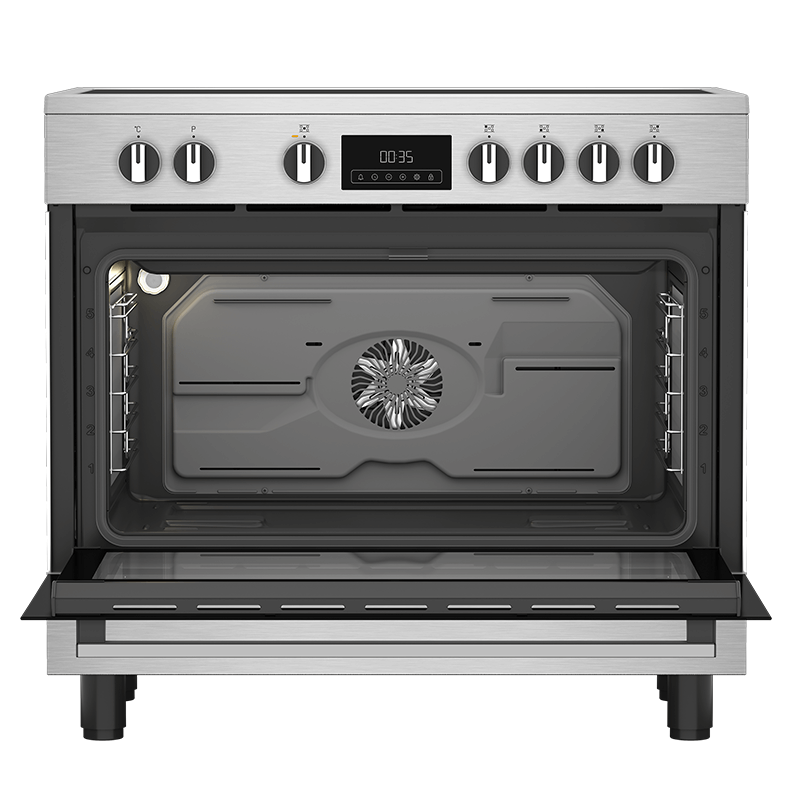
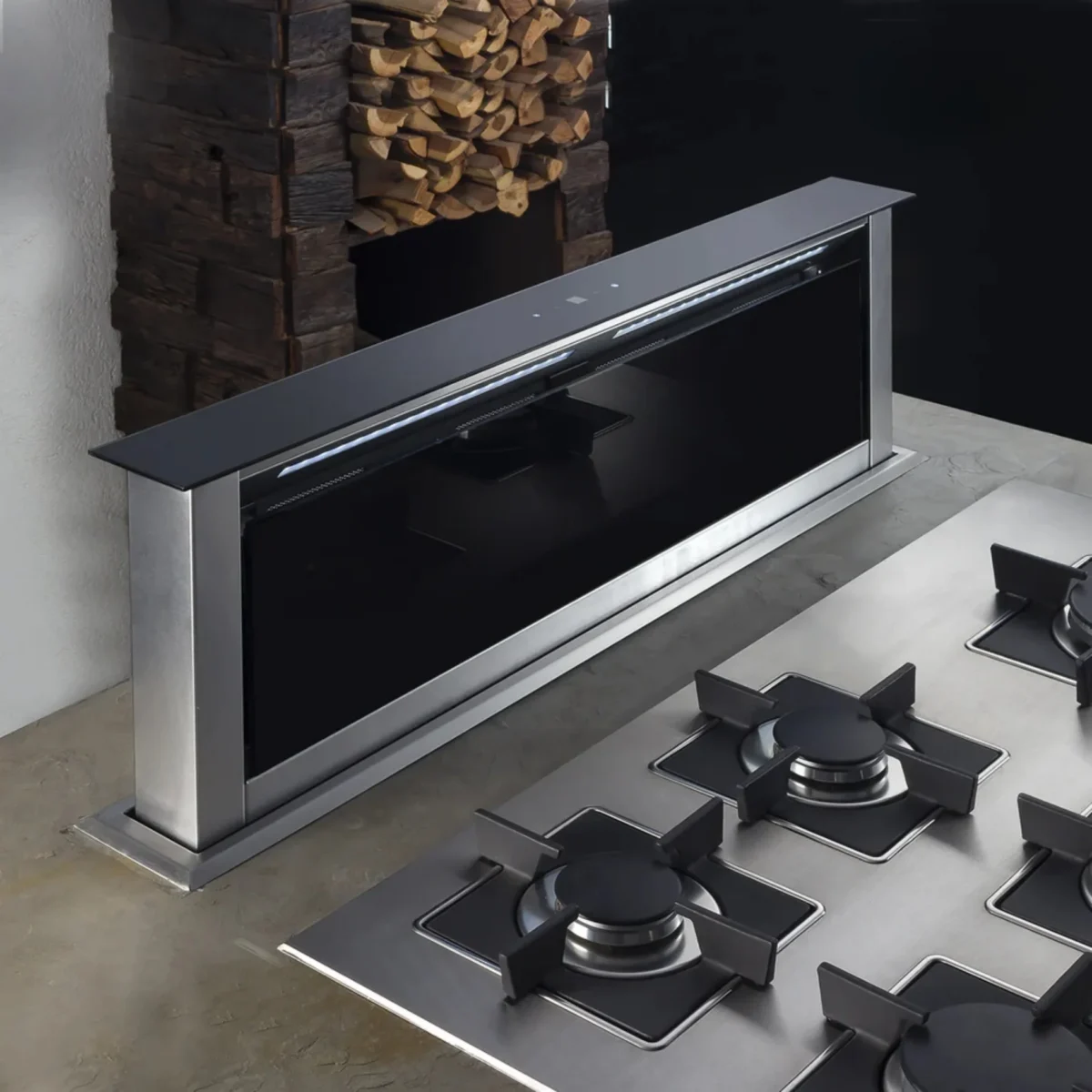 ₨350,000Product SeriesIsland SeriesFinishBlackProduct Size (cm)90 cm
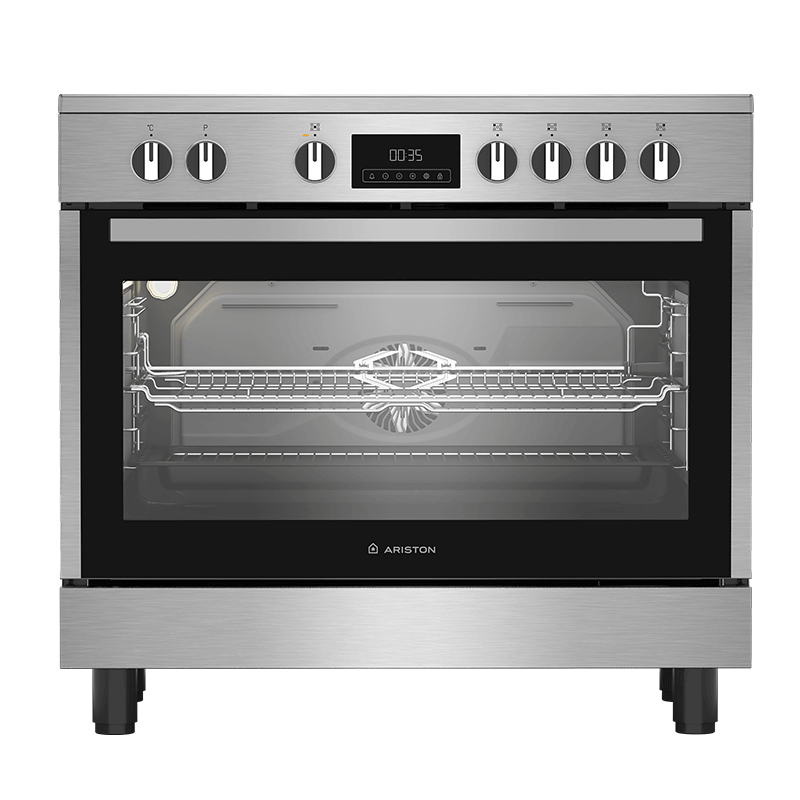
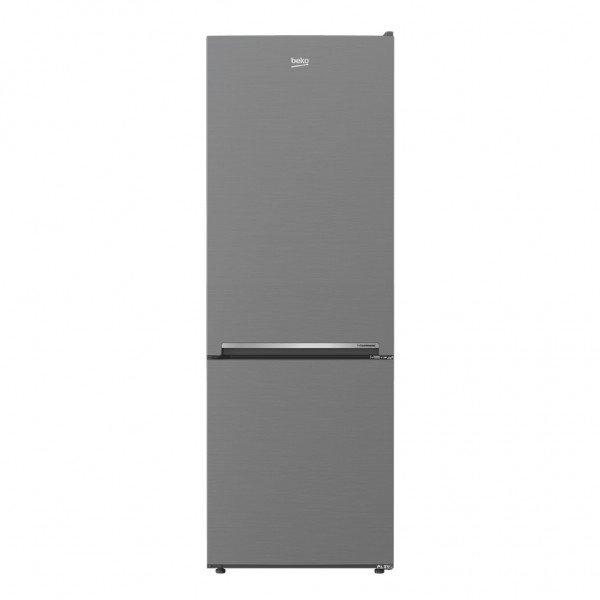
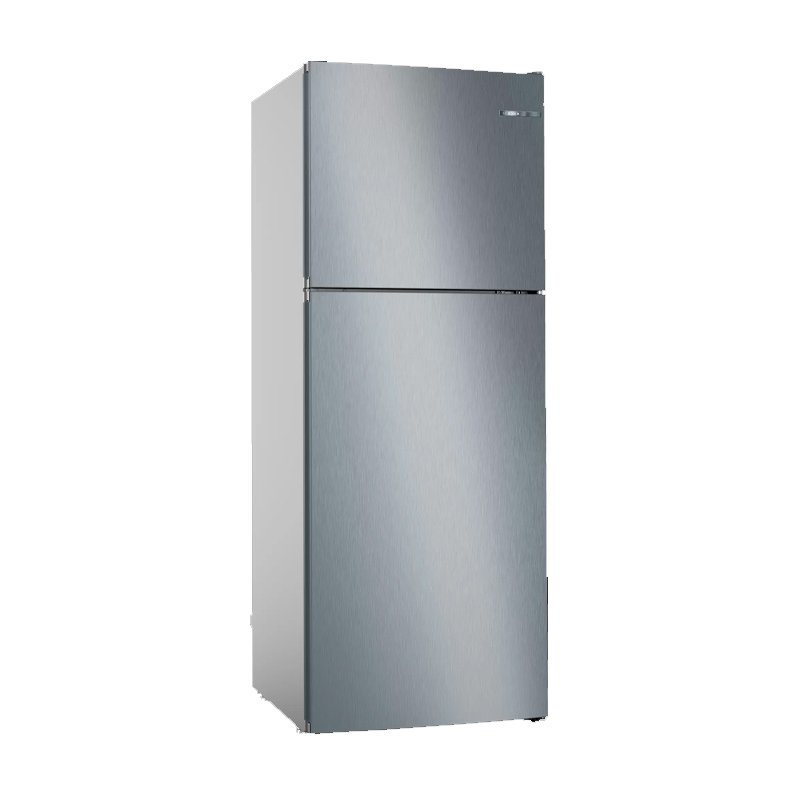
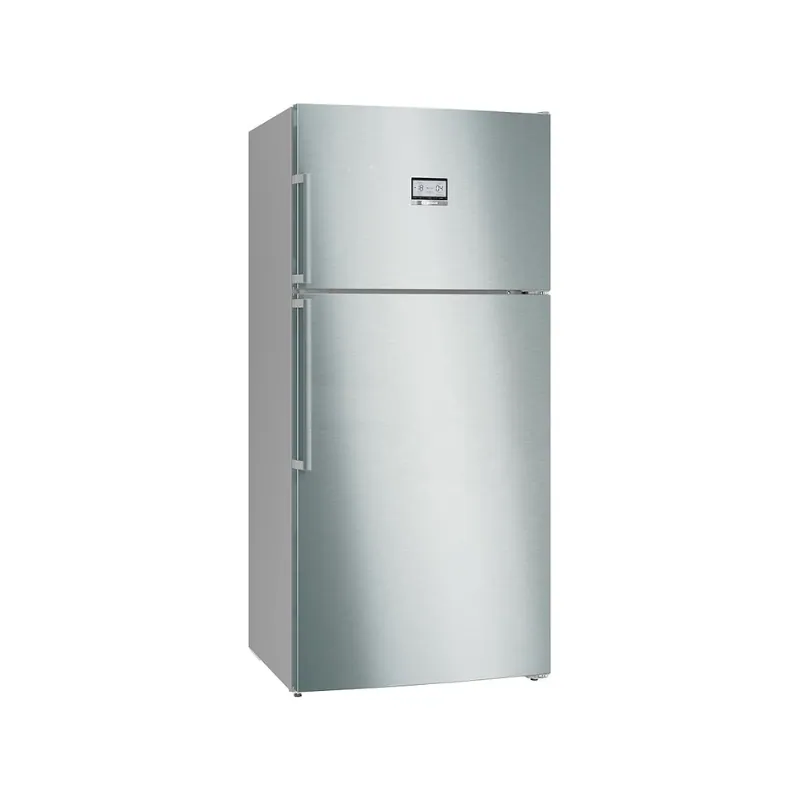
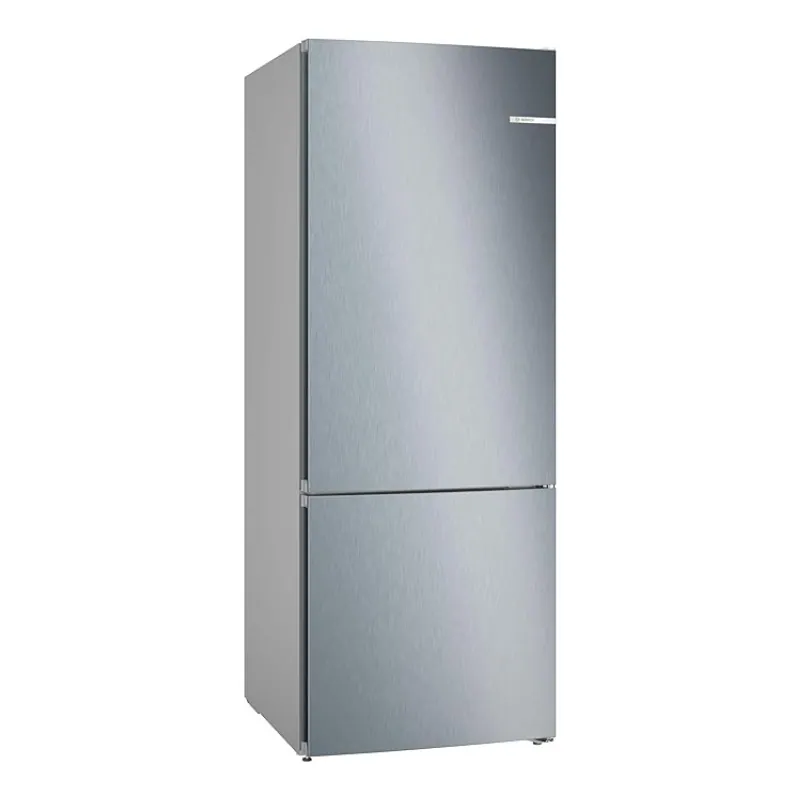
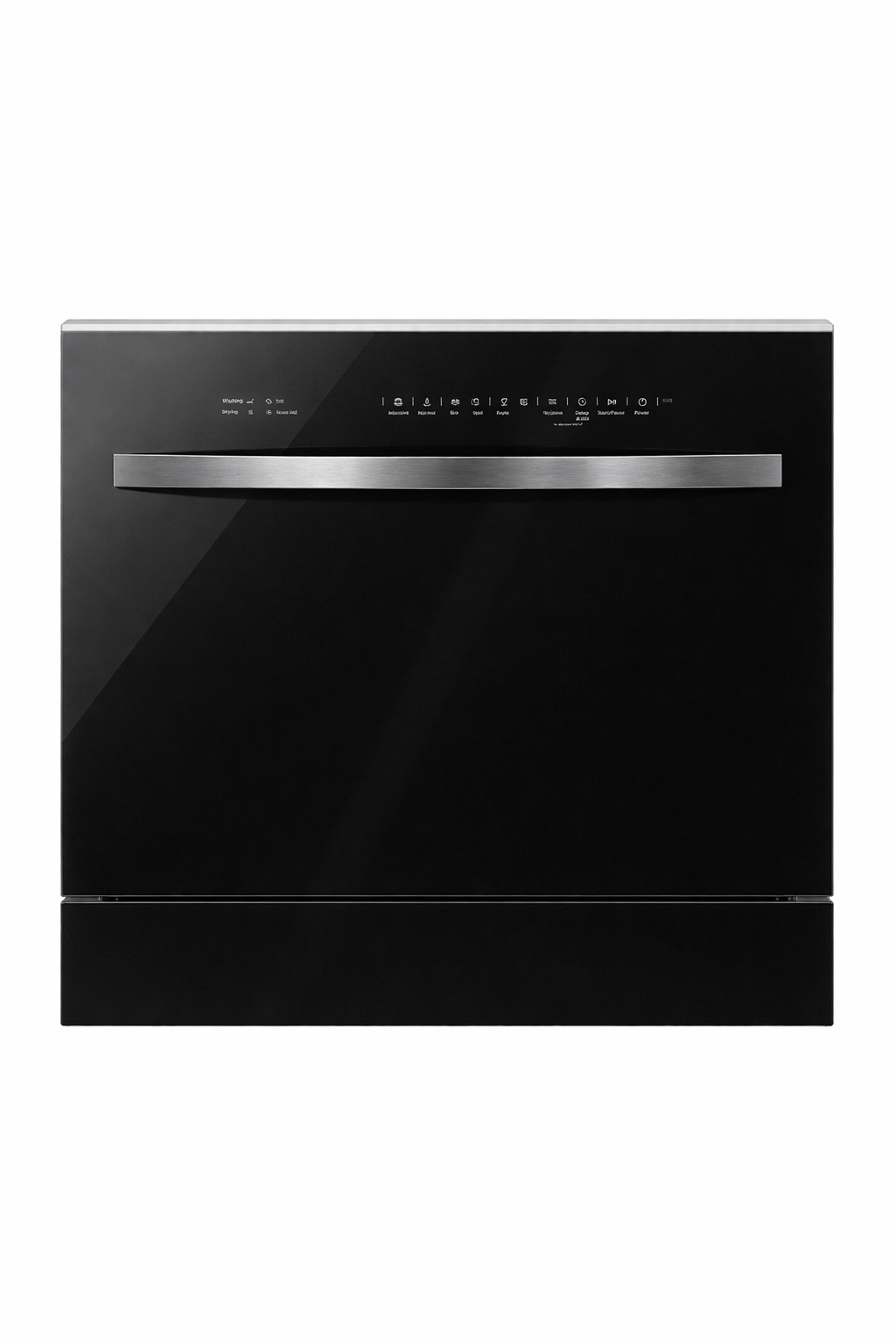 ₨80,000
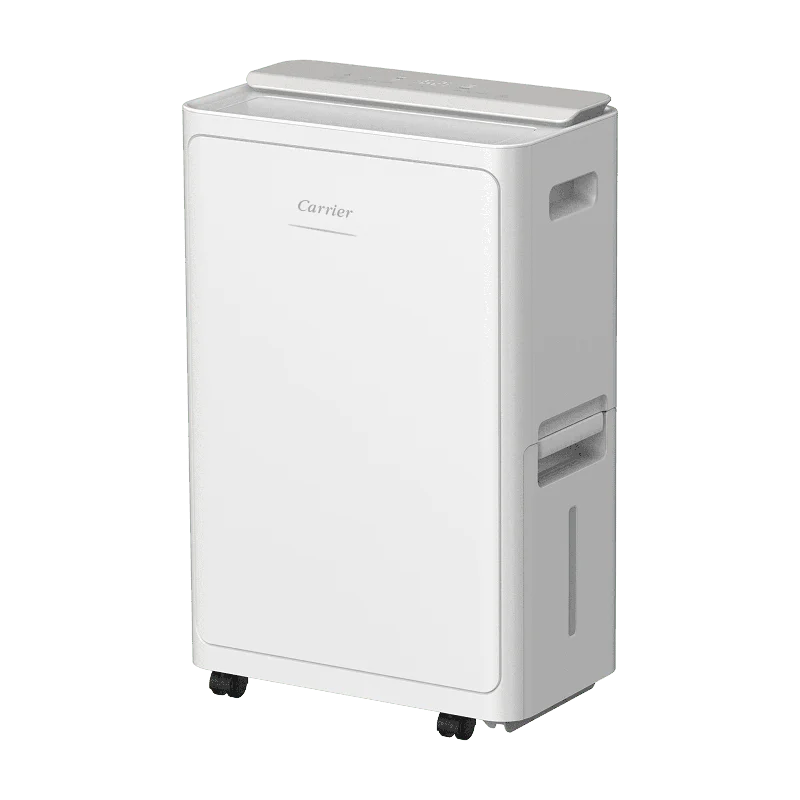
 ₨110,000Capacity / Size: 6.5 literFeatures: Electronic Touch Control PanelDehumidify Capacity: 25L/day (30? 80%RH)Airflow Volume: 195m?/hRefrigerant Charge: R290Rated Frequency: 50Hz24 Hours Timer SettingWorking Space 25-35 M?...
 ₨350,000Digital Motorbar Cleaner Head: Digital Motorbar cleaner head with de-tangling technology powerfully sucks up dust and hair from...Illuminated Cleaner Head: Soft roller cleaner head for hard floors with a precisely-angled beam which detects the particles...Hair Screw Tool: Anti-tangle conical brush bar picks up long hair and pet hair. Fast.Low Reach Adaptor: Bends to comfortably reach down low. Engineered to clean further under low furniture by adjusting...Combination Tool: Two tools in one - brush and wide nozzle. For simple switching between tasks.Crevice Tool: Designed for precise cleaning around edges and narrow gaps.Wand Clip: Handily stores the Combination and Crevice tools on the wand of your vacuum.Docking Station: Wall-mounted Dock to recharge your vacuum and tidily store tools...
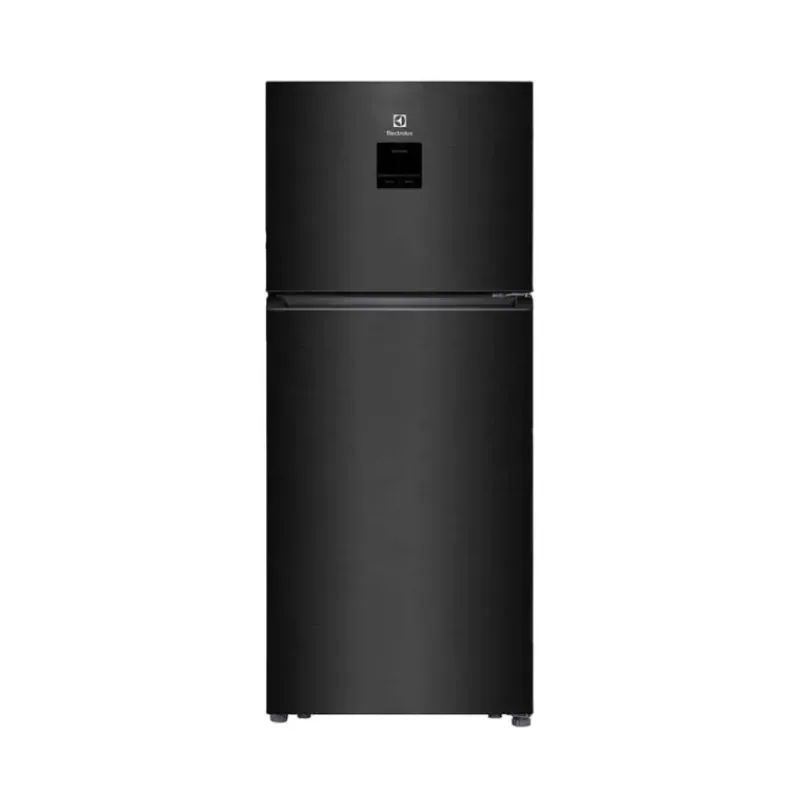
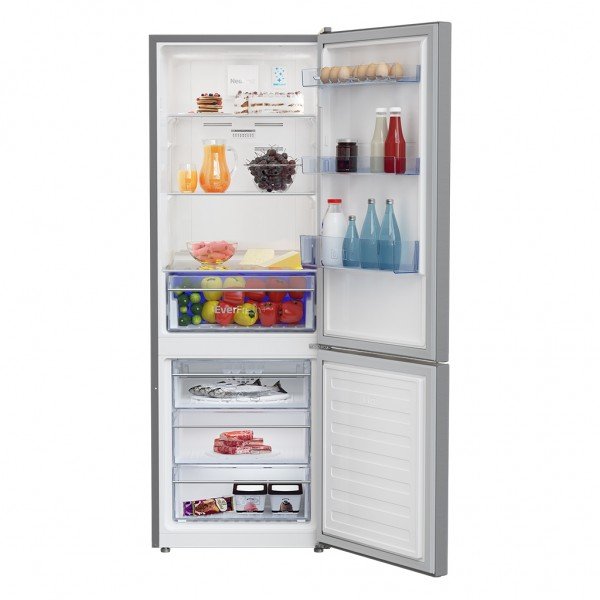
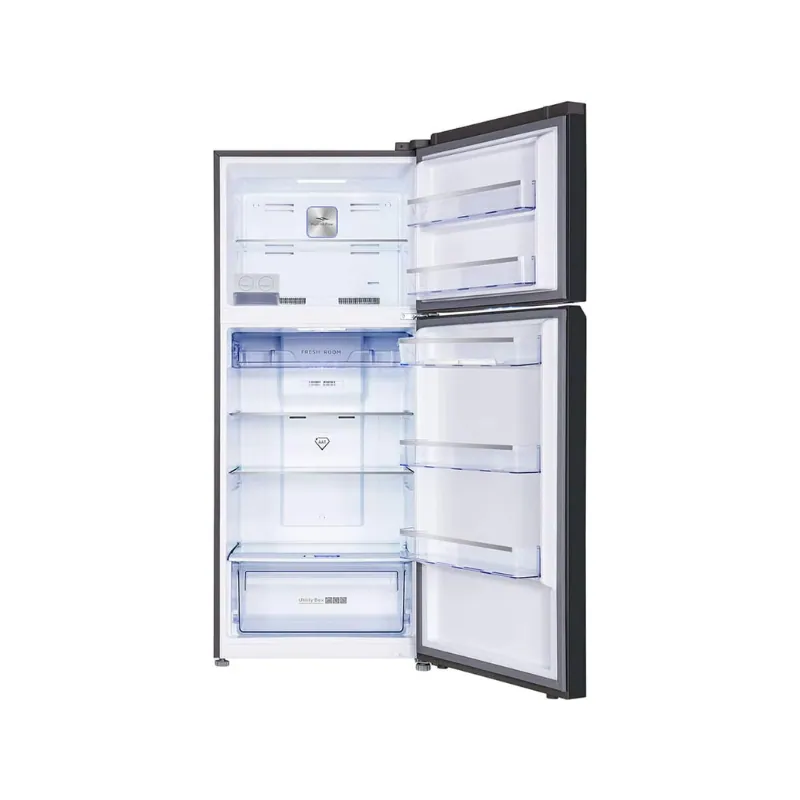
 ₨235,000Effortless ice making with an easy-to-use Twist Ice Maker.Say goodbye to manual defrosting with advanced inverter cooling.Humidity Control System that keeps fruits and vegetables fresh for longer.Holiday Function that save energy when you’re away.
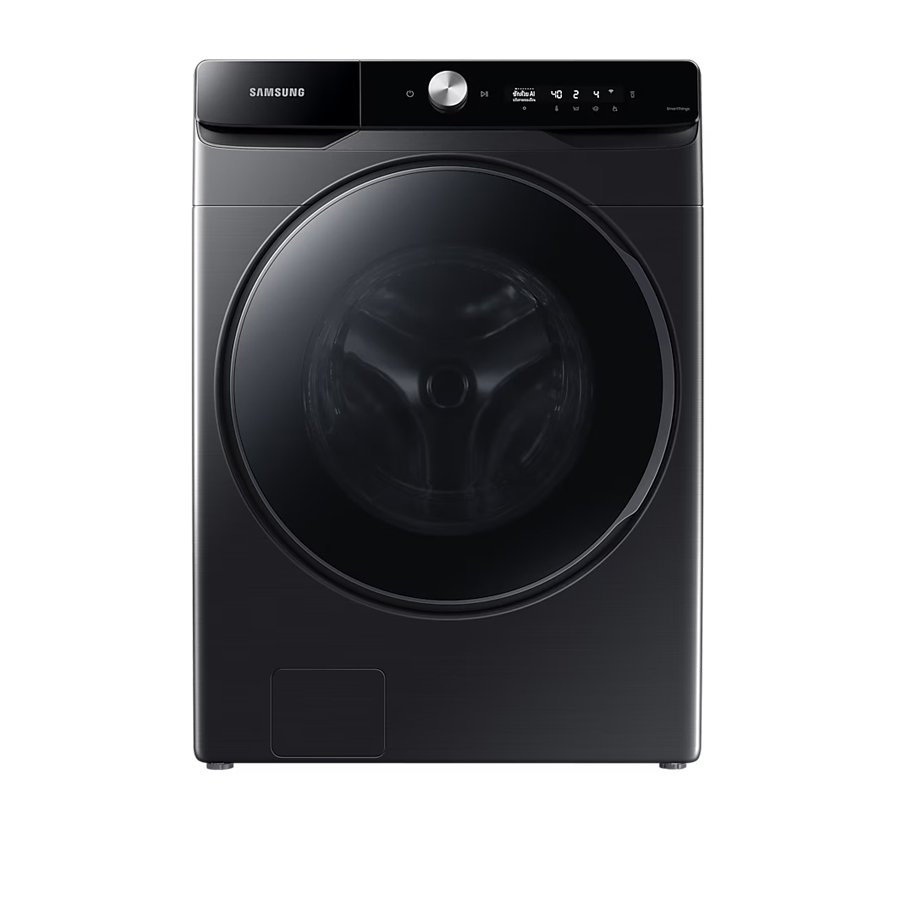
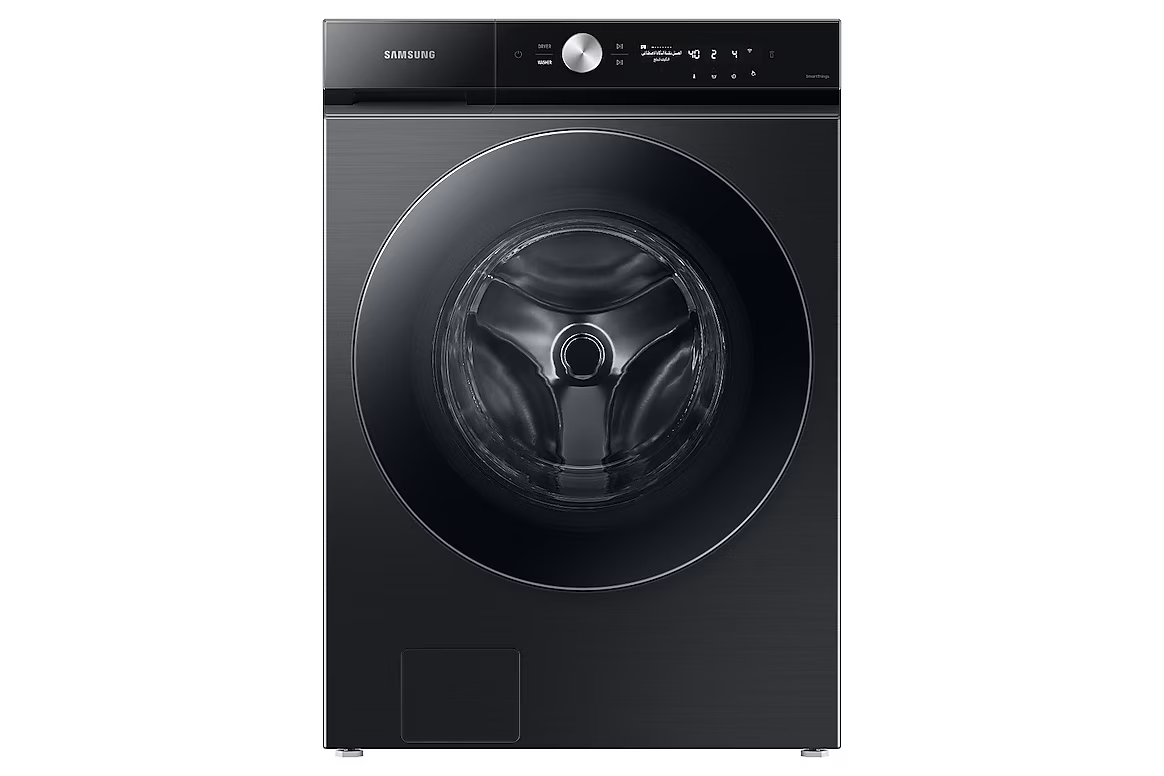 ₨350,000Washing Capacity11.5Drying Capacity8.0DesignBlack
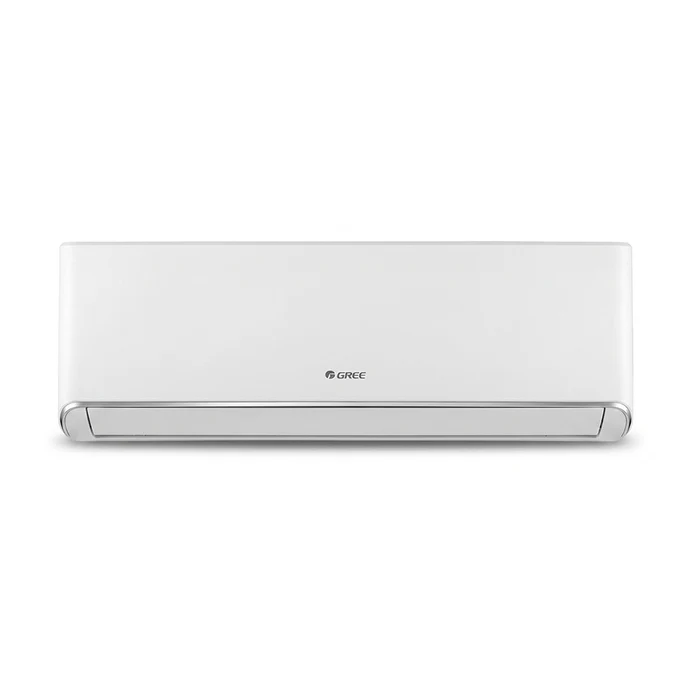 T3 Inverter Compressor – stable cooling even at high ambient temperatures.Self‑Cleaning Function – indoor and outdoor units for dust and moisture removal.Energy-efficient: Saves electricity with advanced G-Boost T3 inverter technology.Powerful cooling: Operates efficiently even at extreme temperatures up to 68°C.
 ₨33,000Fan type: FloorPower, W: 60Number of speeds: 3Max. noise level: 49Switch type: Remote control, Electronic
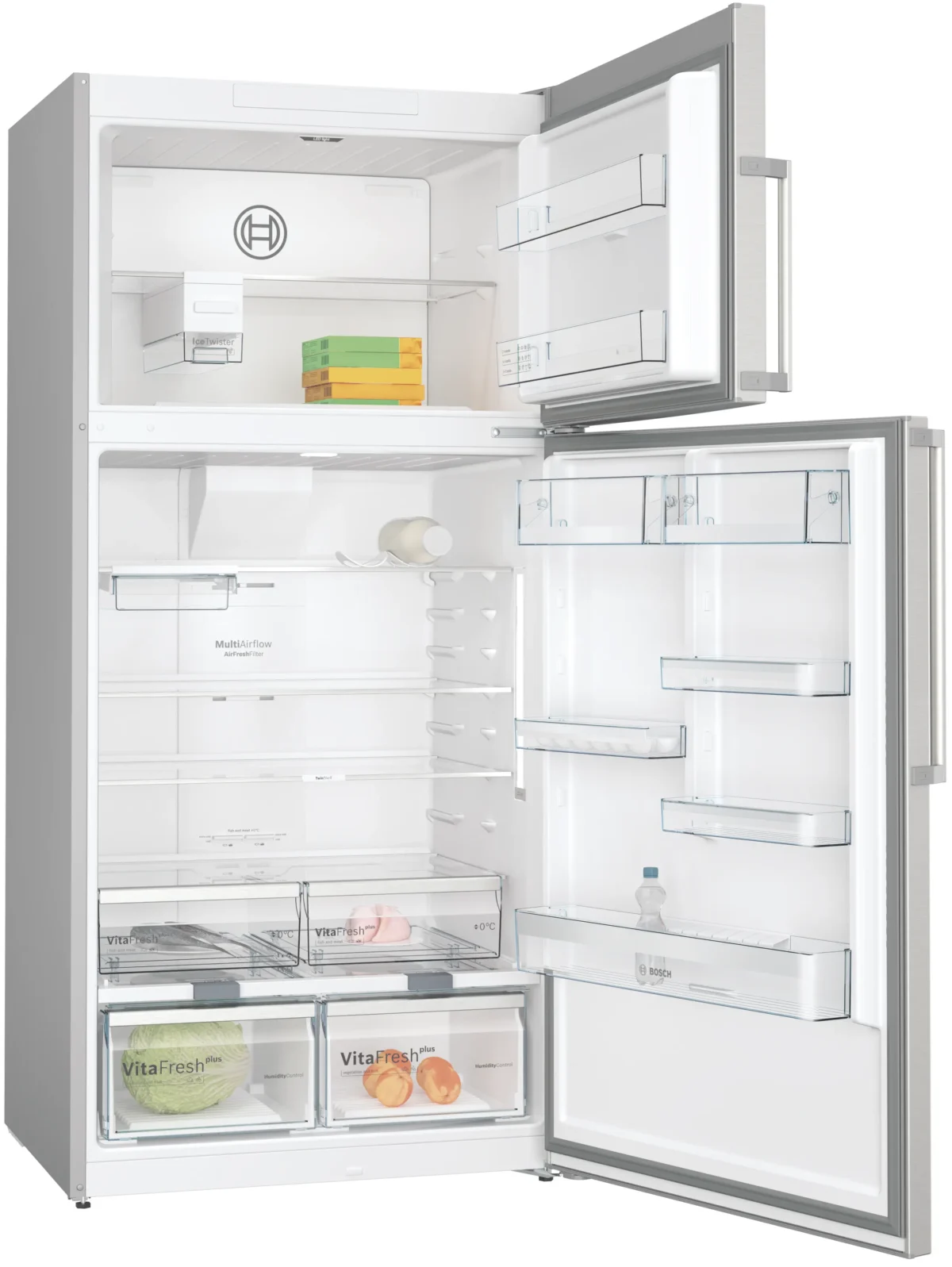
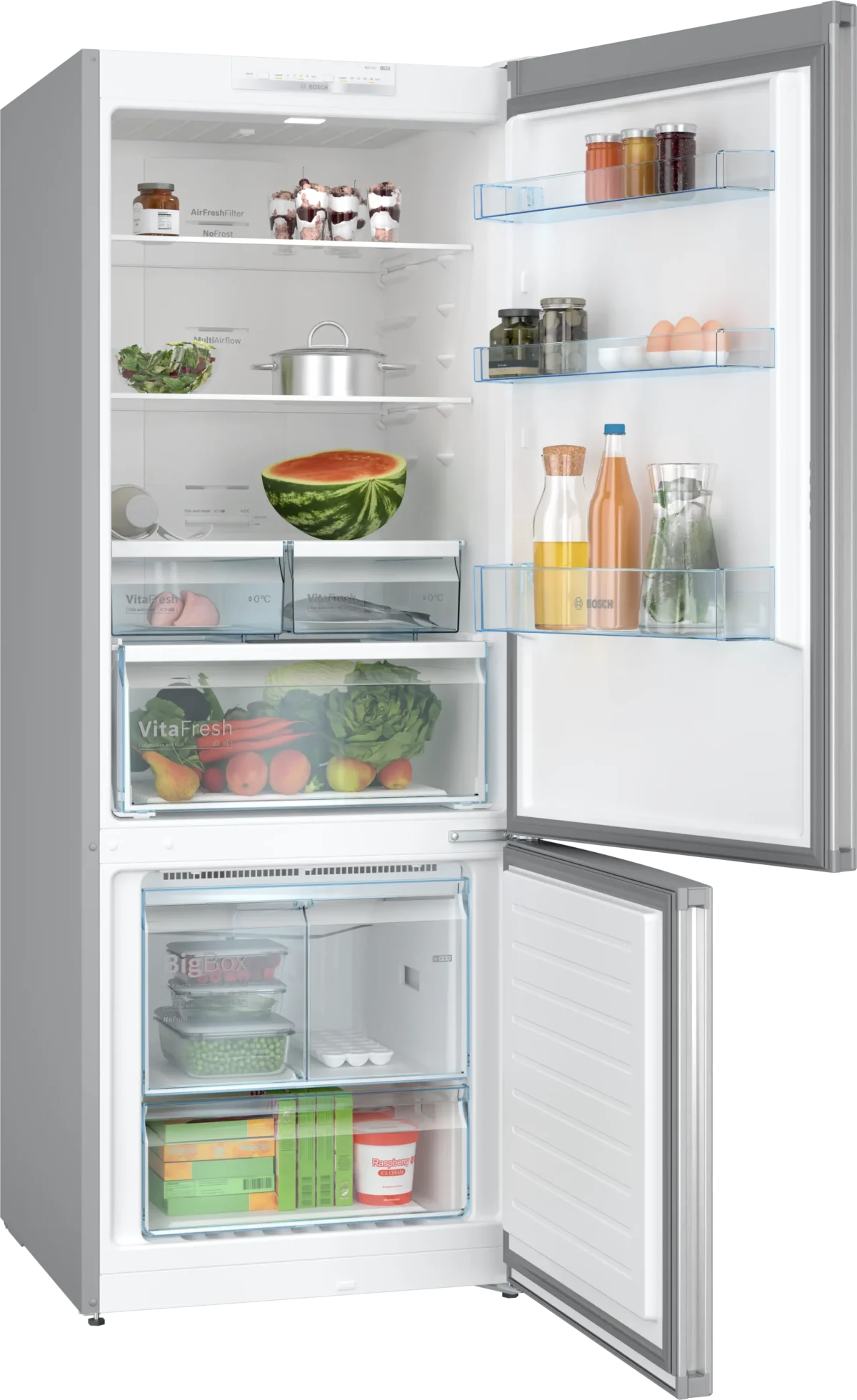
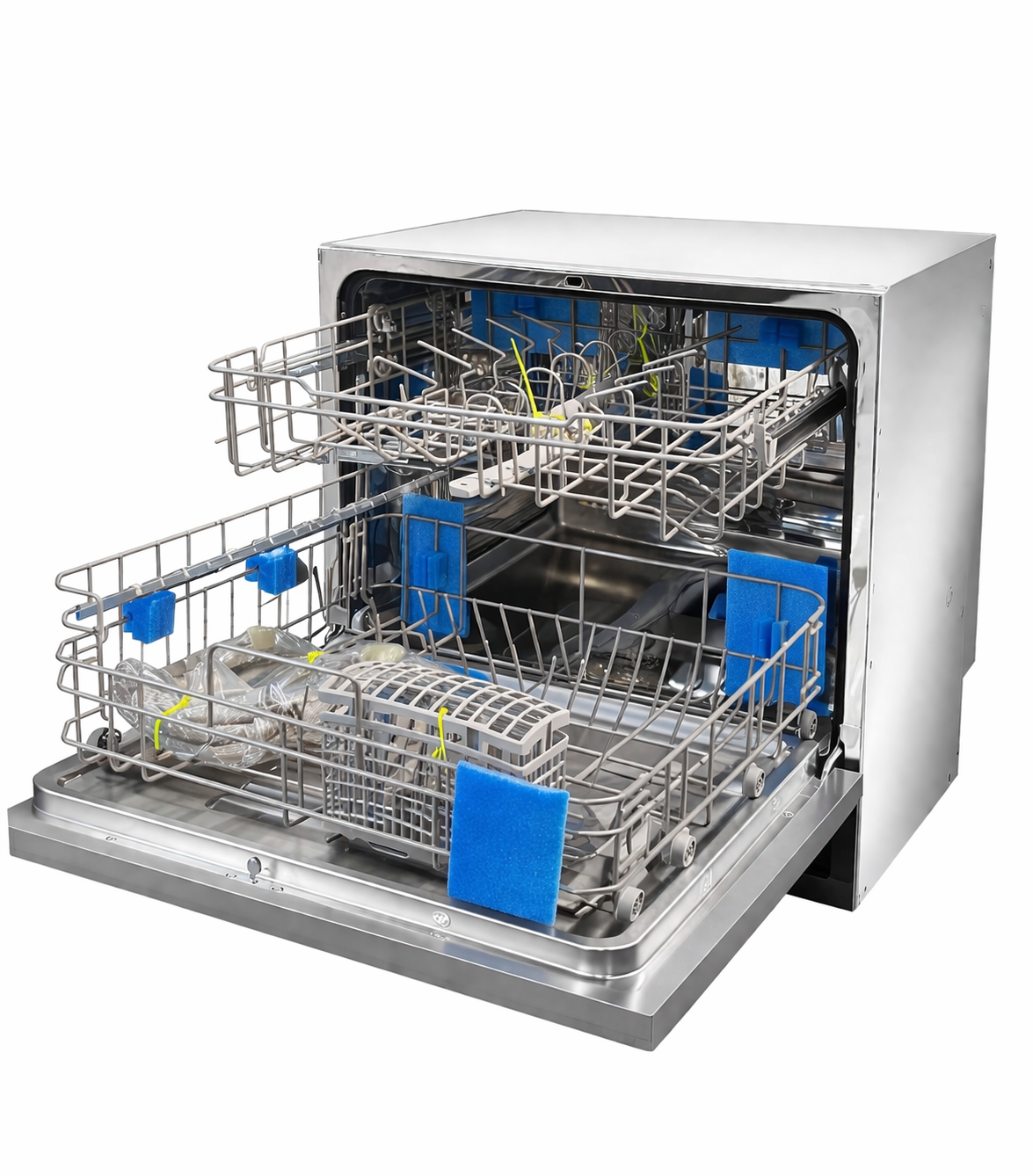
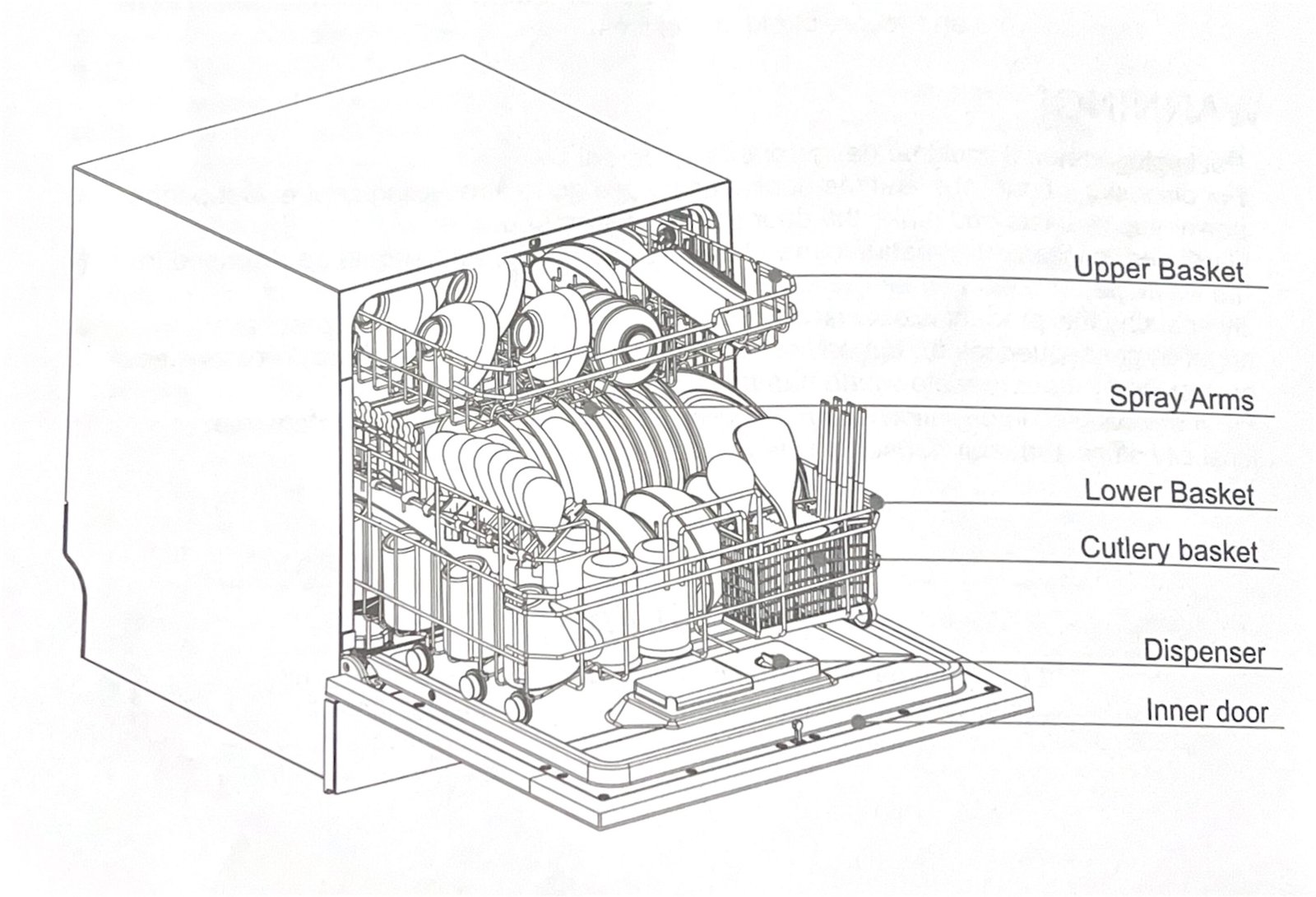



Home Appliances in Pakistan
Yasir Electronics brings together home appliances for food storage, laundry, cleaning, cooling, air treatment and kitchen needs in Pakistan. The live category includes products such as refrigerators, washing machines, washer-dryers, dishwashers, vacuum cleaners, air conditioners, fans, dehumidifiers and cooking appliances, giving shoppers a broad starting point before moving into a specialist category.
The right appliance depends on the household task first, then on capacity, dimensions, installation type, utilities and the features you will actually use. A refrigerator is sized differently from a washing machine, a dishwasher uses another capacity system again, and built-in products may require planning before cabinetry is completed. Use this page to identify the appliance category that fits your need, then compare current models and exact specifications in the relevant specialist section. Current pricing is available in the live listings.
Browse Home Appliance Categories
Types of Home Appliances
| Category | Main Purpose | Key Buying Factor |
|---|---|---|
| Refrigerators | Fresh and frozen food storage | Usable capacity, dimensions and storage layout |
| Freezers | Dedicated frozen-food storage | Capacity, format and available floor space |
| Washing Machines | Laundry washing | Load type, rated kg capacity and water/drainage setup |
| Dishwashers | Automatic dishwashing | Place settings, rack layout and installation type |
| Vacuum Cleaners | Floor and surface cleaning | Floor type, format, attachments and filtration |
| Air Conditioners | Indoor cooling and climate control | Room heat load, installation format and operating conditions |
| Dehumidifiers | Indoor moisture removal | Humidity problem and rated moisture-removal capacity |
| Air Purifiers | Airborne particle/pollutant reduction | Filtration system and room-use requirements |
| Microwave Ovens | Rapid heating and model-specific cooking | Capacity, functions and installation format |
| Cooking Appliances | Cooking, baking and ventilation support | Kitchen layout, fuel/electrical supply and installation |
| Water Dispensers | Convenient drinking-water dispensing | Temperature functions, loading style and capacity terminology |
Which Home Appliances Do You Need?
Start with the household function you need to solve. A refrigerator is a core food-storage appliance for most homes, while a separate freezer is useful only when additional frozen capacity is justified. A washing machine handles regular laundry; a dishwasher is optional and depends on kitchen layout, plumbing and how much dishwashing the household generates.
Cooling needs can involve an air conditioner, fan or another cooling format depending on the room and climate. Dehumidifiers and air purifiers solve different indoor-air problems and should only be added when those problems exist. Microwave ovens, cooking appliances and water dispensers are convenience or kitchen-workflow choices rather than universal requirements.
New-Home Appliance Checklist
| Household Need | Appliance Category | What to Decide First |
|---|---|---|
| Food storage | Refrigerator / freezer | Required storage, external dimensions and door clearance |
| Laundry | Washing machine | Front or top load, kg capacity, inlet and drain |
| Dishwashing | Dishwasher | Place settings, rack design and installation format |
| Room cooling | Air conditioner | Room heat load and installation conditions |
| Cleaning | Vacuum cleaner | Flooring, cleaning area and preferred format |
| Humidity control | Dehumidifier | Actual moisture problem and room conditions |
| Cooking | Cooking appliance | Kitchen layout, gas/electrical supply and built-in requirements |
A practical buying order depends on the home. Food storage, climate control, laundry, cooking and cleaning may be prioritised differently depending on what equipment already exists, when the kitchen will be ready and the conditions in the property.
Home Appliances vs Kitchen Appliances
Home appliances is the broader category. It can include refrigerators, washing machines, dishwashers, vacuum cleaners, air conditioners, dehumidifiers, air purifiers and selected kitchen equipment.
Kitchen appliances are a narrower group centred on food storage, food preparation, cooking, dishwashing and other kitchen tasks. The two groups can overlap, but they should not be treated as exact synonyms.
Home Appliances vs Consumer Electronics
Home appliances perform household tasks such as cooling, washing, cleaning, food storage or cooking. Consumer electronics can include televisions, audio equipment and personal devices, so the terms should not be treated as exact synonyms.
Major vs Small Home Appliances
Major appliances usually means larger equipment such as refrigerators, freezers, washing machines and dishwashers; small appliances are generally compact or portable. Retail labels vary, so buyers should focus more on space, plumbing, cabinetry and installation needs than the label itself.
Choose by Need, Not Brand Alone
Brand can narrow a shortlist, but the appliance still has to fit the space, household capacity, utilities and daily use. Compare exact models by dimensions, capacity, installation type, useful functions, noise where relevant and energy information rather than choosing by brand or feature count alone.
Capacity Means Different Things Across Home Appliances
Capacity is not one universal measurement. Each appliance category describes useful size differently.
| Appliance | Typical Capacity Measure | What It Describes |
|---|---|---|
| Refrigerator | Litres or volume | Internal storage volume |
| Washing Machine | kg | Manufacturer-rated laundry load |
| Dishwasher | Place settings | Standardised tableware capacity |
| Air Conditioner | Cooling capacity such as BTU/h or refrigeration-ton class | Rated cooling output |
| Dehumidifier | Litres per day | Moisture removal under specified test conditions |
| Microwave / Oven | Litres | Cooking-cavity volume |
| Water Dispenser | Tank volume or output rate | Stored water or hot/cold recovery, depending on the specification |
These figures are not directly comparable. A washing machine's kg rating and a dishwasher's place-setting rating describe completely different loads.
Household Size Is Only One Sizing Factor
Household size can guide capacity, but it is not a rigid formula. Shopping frequency, laundry volume, cookware, entertaining, room dimensions, heat and humidity can all change the right size. Match capacity to actual use rather than automatically buying the largest option.
Choosing a Refrigerator
Start with usable storage needs and the space available in the kitchen. Compare overall refrigerator capacity, freezer position, shelf and drawer layout, exterior dimensions, door-opening clearance and ventilation requirements.
Compressor or inverter terminology should be checked at exact-model level rather than treated as a universal energy-saving percentage. A larger refrigerator is not automatically more suitable if much of its capacity remains unused or it compromises kitchen clearance.
Choosing a Washing Machine
Front-load and top-load washing machines differ in loading position, physical layout and model-specific wash systems. Compare the manufacturer's rated kg capacity with your typical laundry volume, then check width, depth, door or lid clearance, water inlet and drainage.
A washer-dryer combines washing and drying functions, but its washing and drying capacities may differ. Do not assume one combined capacity figure applies equally to both functions.
Choosing a Dishwasher
Dishwasher capacity is usually expressed in place settings, which is a standardised tableware measure rather than a literal household headcount. Pakistani kitchens using large karahis, degchis and serving bowls may need to pay particular attention to rack layout and usable clearance.
Also compare freestanding versus built-in installation, plumbing, drainage, verified noise level and drying system. Detailed place-setting and detergent guidance belongs on the specialist dishwasher category.
Choosing a Vacuum Cleaner
Choose a vacuum around the surfaces being cleaned. Hard floors, carpets, upholstery, stairs and pet hair can require different floor heads or attachments. Corded, cordless, handheld and robotic formats also solve different cleaning needs.
For cordless models, battery runtime and charging setup can matter; for any vacuum, motor wattage alone does not tell you real cleaning performance. Compare the exact model's cleaning head, filtration and intended floor types.
Choosing Air Conditioning and Cooling
An air conditioner's required capacity depends on room heat load, not floor area alone. Room dimensions, ceiling height, sunlight, occupancy, insulation, glazing and heat-producing equipment can all influence sizing.
Split and floor-standing systems also have different installation needs. Inverter terminology should be assessed using the exact model specification rather than assuming a fixed electricity-saving percentage.
Air Cooler vs Air Conditioner
An air conditioner uses a refrigeration system to cool indoor air and generally removes some moisture as it operates. An evaporative air cooler uses water evaporation, so its effectiveness changes with ambient humidity. Climate and room conditions should guide the choice; an air cooler should not be assumed suitable for every Karachi home.
Dehumidifier vs Air Purifier
| Appliance | Primary Function | Choose It When |
|---|---|---|
| Dehumidifier | Removes excess moisture from indoor air | Persistent humidity, condensation or moisture control is the main problem |
| Air Purifier | Reduces selected airborne particles or pollutants through model-specific filtration/treatment | Airborne particle or pollutant reduction is the main goal |
An air purifier does not normally remove room humidity, and a dehumidifier is not automatically a particle-filtering air purifier. Choose according to the problem you are trying to solve.
Microwave vs Oven
A microwave primarily uses microwave energy for rapid heating and cooking. A conventional oven uses heated air, elements or gas depending on its design. Some microwave models add grill or convection functions, but those features are not universal.
Choose by cooking method, cavity size, kitchen layout and the exact functions required rather than assuming every microwave can replace an oven.
Built-In vs Freestanding Appliances
| Factor | Built-In | Freestanding |
|---|---|---|
| Installation | Integrated with cabinetry or a planned opening | Placed as a finished standalone appliance where utilities permit |
| Measurements | Requires exact installation/cut-out data | Requires footprint and surrounding clearance |
| Replacement | Must remain compatible with the opening and cabinet design | Usually offers greater placement flexibility |
| Best suited for | Planned fitted kitchens | Existing kitchens and flexible layouts |
Neither format is universally better. The right choice depends on kitchen design, utility positions, available space and future replacement plans.
Measure Before Buying a Major Appliance
Measure the final installation area and the route the appliance must travel to reach it. Check width, height, depth, appliance-door or lid clearance, nearby walls and counters, cabinet opening and manufacturer-specified ventilation space.
For built-in products, exterior dimensions and required installation or cut-out dimensions are not necessarily the same. Never design cabinetry from exterior measurements alone; use the exact manufacturer's installation drawing.
Check Delivery Access as Well as Installation Space
A refrigerator or washing machine can fit its final position yet still be too large for a doorway, lift, staircase, corridor or tight turn on the delivery route. Measure access before ordering large appliances and avoid relying only on the kitchen or laundry-space dimensions.
Electrical Compatibility
Verify the exact voltage, frequency, rated input, plug or socket requirement and phase where applicable for the model supplied in Pakistan. Do not assume another regional specification applies, and follow manufacturer requirements rather than generic rewiring, cable or breaker advice.
Which Appliances Need Water or Drainage?
Washing machines and dishwashers normally need water and drainage; selected refrigerators or other plumbed products may need an inlet, while some dehumidifiers support continuous drainage. Check exact inlet, drain-routing and installation requirements for the model.
Gas Appliances Need Separate Planning
For gas cooking equipment, confirm the exact gas configuration before purchase. Do not assume that a cooker or hob supports both LPG and natural gas, because some models require a specific configuration or approved conversion.
Gas installation should follow manufacturer requirements and appropriate qualified practice. Generic category copy should not be used as a gas-conversion guide.
What Does “Inverter” Mean?
Inverter generally refers to controlled motor or compressor operation, but the technology is not identical across air conditioners, refrigerators, washing machines and other appliance types.
The word does not guarantee a fixed percentage reduction in electricity use, lower noise or longer life. Real performance depends on the exact product, capacity, operating conditions, load and control strategy.
How to Compare Energy Use
Compare energy information within the same appliance category and regulatory framework. Actual consumption depends on capacity, operating time, load, ambient conditions, selected modes and product efficiency.
Energy labels can also differ by country, model year and regulation. An older label from one system should not be ranked directly against a newer label from another without understanding the underlying standard.
Bigger and More Features Are Not Automatically Better
Oversized appliances can waste space, while extra programmes, displays and smart functions add value only when they match a real need. Prioritise fit, useful capacity, utilities and functions the household will actually use.
Smart Home-Appliance Features
Smart appliances may support remote monitoring, app control, notifications or diagnostics depending on the exact model and region. Confirm the model number, app, Wi-Fi requirements and regional availability before buying for smart functionality.
Imported Appliance Model Numbers Matter
Different model suffixes can mean different voltage, frequency, dimensions, energy labels, gas configurations, programmes, accessories or app compatibility. Always research the full model code instead of transferring specifications from another regional variant.
Home Appliance Brands Available at Yasir Electronics
The current Home Appliances category represents a broad brand mix, including Ariston, Bosch, Crownline, Dyson, Electrolux, Gree, Haier, Hitachi, Jet Cool, Levoit, LG, Midea, Mitsubishi, Panasonic, Philips, Samsung, Sharp, Toshiba, UONI and Whirlpool, with additional products from brands such as Beko and Carrier visible in the live catalogue.
Do not choose an overall “best” home-appliance brand. Brand strength can vary by appliance category and model, so compare exact specifications, installation fit and features for the product being considered.
Planning Appliances for Different Households
New Home or Newly Married Couple
Prioritise the appliances that solve immediate food storage, climate, laundry and cooking needs, then add convenience products as the home setup becomes clearer. Measure first if cabinetry or utility work is still in progress.
Apartment
Pay particular attention to external dimensions, doorway and lift access, noise, drainage, ventilation and available floor space. A smaller apartment does not automatically require the smallest appliance; usable capacity still needs to match actual household behaviour.
Larger Family
Frequent grocery storage, larger laundry loads and more dishwashing can justify greater usable capacity, but avoid selecting solely from family headcount. Shopping habits, load frequency and cookware size matter too.
Karachi Household
Warm conditions can make cooling and refrigeration especially important, while coastal humidity can make moisture control relevant in some buildings. Apartment access, water arrangements, electrical compatibility and installation space should still be assessed property by property.
Home Appliances for Pakistan's Different Climates
Pakistan does not have one uniform climate. Karachi's coastal conditions differ from inland and northern regions, so cooling, humidity-control and refrigeration needs can vary by location, season and building design. Check exact ambient operating limits where they matter rather than assuming one appliance configuration suits the whole country.