
No products in the cart.
Midea Bottom Load Water Dispenser
Showing the single result
- Water Dispenser, Kitchen Appliances, Midea Bottom Load Water Dispenser, Midea Water Dispenser
Midea Bottom Load Water Dispenser YL1633S
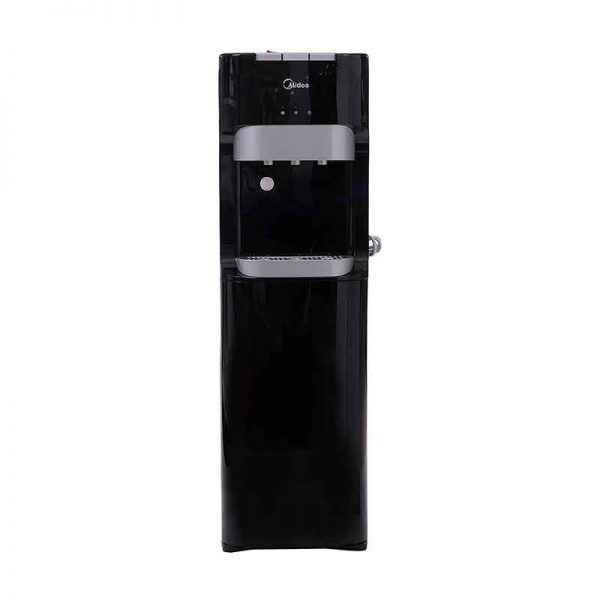 Bottom LoadWater Dispenser, Kitchen Appliances, Midea Bottom Load Water Dispenser, Midea Water Dispenser
Midea Bottom Load Water Dispenser YL1633S
0 out of 5(0)Specifications of Midea Bottom Load Water Dispenser YL1633S
- Brand: Midea
- Model Number: YL1633S
- Color: Black
- Product Dimensions: 36 x 31 x 104 cm; 15.22 Kilograms
- Material: Stainless Steel
- Item Weight: 15.2 kg
- Bottom Load Design
- Hot, cold, and ambient water
- Stainless steel cold and hot water tank
- Food grade material
- Child safety lock for hot water faucet
- High-efficiency compressor cooling
- Cold Water Capacity / Output: 3.6L, 2.5L/H
- Hot Water Capacity / Output: 1.16L, 4/H
SKU: n/a
Showing the single result
Midea Bottom Load Water Dispenser — Shop Models & Prices in Pakistan
Looking for a Midea bottom load water dispenser in Pakistan for your home or office? This category page brings together the most-asked questions, the differences between popular models such as YL1633S and YL-2036S, and clear buying guidance for Karachi, Lahore, and Islamabad. You’ll also find practical tips on energy saving, hygiene, and after-sales support—so you can pick confidently and know how to keep it running well.
Why Bottom-Load?
Easier bottle changes (no lifting 19-litre bottles)
Bottom-load dispensers tuck the bottle into a lower cabinet, so swapping a standard 19-litre bottle takes less lifting and less time. For many households, that’s the difference between getting fresh water on schedule versus delaying refills because the bottle swap feels like a workout. If you’re outfitting an office pantry, the easier changeover also means fewer interruptions for staff and less risk of accidental spills on busy floors.
Because the bottle sits inside the cabinet, there’s no exposed neck on top. That helps reduce dust exposure and keeps the unit’s profile neat—handy in apartments where dispensers sit near a kitchen entrance, or in compact offices where you need a tidy first impression for visitors. Most bottom-load models also guide the pickup tube automatically, so you don’t need to tilt or wrestle with the bottle when it’s nearly full.
Cleaner look for home & office
Bottom-load designs hide the bottle—and the scuffs and labels that come with it—so the footprint looks more integrated with your décor. If you’re setting up a dispenser in a reception area or a lounge space, the uncluttered profile matters. In Karachi and Lahore apartments, users often park a dispenser beside the fridge; a cleaner face with minimal protrusions reduces the visual noise of a compact kitchen layout.
Many Midea bottom loading water dispenser Pakistan options come in a modern black colour with brushed or matte accents, which blends well with stainless or dark appliances. If you’re choosing between white and black variants, black typically hides bottle-change scuffs better and pairs nicely with darker cabinetry.
Hot, cold & normal water—what Pakistani homes actually use
Most Midea bottom-load units serve hot, cold, and normal (ambient) water at once, which suits our climate and tea culture. Families use hot water on demand for tea, noodles, or baby bottle sterilization, while cold water is essential across the long warm season. Normal water is helpful for people who prefer room-temperature drinking or for mixing with very cold water to dial in the perfect sip.
Ambient temperature and perceived “chill” vary with use patterns and room heat. Some model spec sheets note that ambient water may stabilize around the low-teens Celsius if the tap isn’t used for a while; exact numbers are model-dependent, so always check the unit’s data sheet or ask our team for the current spec before purchase.
Shop Midea Bottom-Load Models
Popular picks (what shoppers ask about most)
When customers call us for a Midea bottom load water dispenser price in Pakistan, two model families come up repeatedly because they tick the essentials without overcomplicating the choice:
- Midea YL1633S — A widely requested bottom-load with hot, cold & normal taps, child safety lock for hot water, and a tidy cabinet profile. Great “first” dispenser for homes and small offices looking for reliability without over-speccing.
- Midea YL-2036S — Popular among buyers who ask for a Midea bottom load water dispenser YL-2036S price thanks to its modern styling and solid performance for family kitchens and two-to-three-room offices.
Both lines are commonly requested in black colour finishes, with internal tanks typically in stainless steel. If you’re outfitting a pantry that gets heavy traffic, ask about compressor specs, output per hour, and recovery times; those clues matter more than fancy trim when five people queue for water after lunch.
Availability and exact configurations can vary by shipment. To confirm which Midea water dispenser bottom load models and prices are in stock today—and which promotions apply in your city—call 0321 2222391 (Yasir Electronics, Saddar, Karachi). We’ll share live price guidance and suggest the right unit based on family size or office headcount.
Karachi–Lahore–Islamabad delivery notes (what to expect)
We serve orders across Pakistan with city-wise options that balance speed and safety for heavy appliances. In Karachi, pickup from our Saddar shop or courier delivery are typically available; for Lahore and Islamabad, timelines depend on courier schedules and current stock at the warehouse. Because prices can shift with import costs and currency, we confirm the day’s deal by phone or WhatsApp before dispatch to keep everything clear and accurate.
Want to browse related lines before deciding? Explore all bottom-load water dispensers (brand-mix overview) or check the broader Midea water dispenser range if you’re still comparing loading styles and capacities.
Quick pre-purchase checklist (save yourself a second trip)
Before you hit “buy,” match your use pattern to the right feature set:
- Tank material & hygiene: Stainless steel tanks are the default for durability and easy cleaning.
- Child safety lock: If you have kids at home, ensure the hot tap lock is present and easy to engage/disengage.
- Energy use: Ask about compressor type and typical consumption. A well-placed unit with good ventilation uses less electricity over the year.
- 19-litre bottle fit: Standard bottles are supported; if you use a different bottle brand, tell us so we can confirm cap fit and pickup tube compatibility.
- Footprint: Check height clearance for cabinets and the door swing of the lower compartment.
If you’re equipping multiple rooms or floors, consider two units rather than a single centralized dispenser. It usually shortens queues and reduces foot traffic around elevators or stairwells in busy offices.
Compare Midea Models (Quick, decision-first)
Side-by-side comparison (what you’ll notice in daily use)
When shoppers compare Midea YL1633S and Midea YL-2036S, the questions are less about flashy specs and more about day-to-day convenience. Both are bottom-load designs that hide the bottle and make 19-litre swaps easier. Both typically offer hot, cold, and normal water, with a child safety lock on the hot tap. Where they differ tends to be styling, cabinet proportions, and small usability touches—things like the feel of the door swing, how the drip tray lifts out for cleaning, and how intuitive the controls feel for first-time users.
If you’re buying for a family kitchen in Karachi or Lahore, ask which model’s footprint fits your space better and whether the tap height is comfortable for filling taller bottles. For a small office in Islamabad, consider the pace of use after lunch; a model with a slightly roomier compressor compartment and better airflow around the back panel can help maintain cold performance. Price, as always, depends on current import batch and currency—so confirm the day’s price by phone or WhatsApp before you finalize.
| Model | Water Types | Tank Material | Child Lock | Bottle Size | Best For | Notes |
|---|---|---|---|---|---|---|
| Midea YL1633S | Hot / Cold / Normal | Typically Stainless Steel | Yes (Hot) | Standard 19-litre | Homes & small offices | Clean, compact profile; easy bottle changes. |
| Midea YL-2036S | Hot / Cold / Normal | Typically Stainless Steel | Yes (Hot) | Standard 19-litre | Family kitchens & 2–3 room offices | Modern styling; check cabinet clearance and door swing. |
Tip: If your priority is minimizing bends and drips during refills, check how the pickup tube docks to the bottle and whether the bottle slides in straight without tilting. If style matters (e.g., a front-of-house lounge), hold the two side-by-side to see which finish (often black) blends better with your fridge and cabinets.
Decision cues at a glance (no guesswork)
For families: Choose the model whose tap height matches your everyday bottles and pots, and make sure the hot water lock is simple enough for grandparents to use. Place the unit where airflow isn’t blocked by curtains or a bin.
For offices: Smooth bottle swaps matter when the kitchen is busy. Ask about the cabinet base, the door hinge feel, and whether the pickup tube cap grips the bottle reliably to avoid mid-day leaks.
For budget control: Focus on total cost of use. A dispenser placed with 10–15 cm of rear clearance and kept dust-free at the grille will generally chill more efficiently than the same unit crammed into a hot corner.
Browse current availability in the brand-specific collection for Midea bottom-load water dispensers, or compare with the broader Water Dispensers category if you’re still exploring.
What actually matters in Pakistan (buying with confidence)
Power conditions: In warm months and areas with voltage fluctuation, placement and ventilation do more for performance than tiny spec differences. Keep 10–15 cm clearance at the back, avoid direct sun, and don’t wedge the unit between appliances that radiate heat. If you run a UPS or stabilizer for kitchen gear, ask whether the dispenser needs to be on it or can share a protected circuit with the fridge.
Energy cost: A dispenser that breathes well cycles less. If you rarely use hot water at night, many buyers switch off the hot function after dinner and turn it back on at breakfast—simple routine, real savings. For offices, consider two units on separate floors instead of one in the lobby; shorter queues = fewer long holds of the cold tap (which can make the compressor work harder).
Bottle compatibility: Standard 19-litre bottles are the norm, but cap styles can vary by brand. When ordering, mention your bottle supplier so we can confirm pickup tube compatibility. If you’re in a high-traffic pantry, keep a spare cap and pickup tube insert so bottle swaps don’t stall during a rush.
After-sales & support: Ask for warranty coverage, what’s considered normal wear, and the best contact for Karachi, Lahore, or Islamabad. Save our number—0321 2222391—so you can reach a person quickly if you need help with a seal, tap, or pump.
Key Features Explained (Plain-English)
Stainless steel tanks & hygiene
Stainless steel resists rust and is simple to wipe down, which helps keep taste consistent and makes periodic cleaning straightforward. If you’re particular about taste, stainless tanks paired with a regular cleaning routine usually give a cleaner mouthfeel than plastic tanks that can retain odours over time. That said, the dispenser isn’t a purifier; it delivers what the bottle provides—so choose a reliable bottled-water brand and replace bottles promptly in hot weather.
Plan a quick hygiene routine at set intervals. Power off, remove the bottle, and wipe contact areas with a mild food-safe cleaner. Empty and rinse the drip tray, and let it dry before reinstalling. If your pantry is dusty, a weekly wipe of the front and the vent grilles helps air flow and keeps the cabinet looking new.
Child safety lock (hot water)
A hot-tap lock is simple protection for curious hands. On most models, the lock requires a deliberate press or slide before the hot button dispenses—handy in homes with toddlers and in offices where visitors might assume the red tap is “just warm.” Show the family or team how it works on day one and keep the demonstration brief so everyone actually uses it.
Don’t rely on the lock alone. Place the dispenser where children can’t climb onto a stool and lean in, and remind guests that hot water is truly hot. If people frequently fill glass flasks, consider a silicone mat at the base to reduce slip risk, and encourage slow, steady pours rather than quick “bursts.”
Compressor cooling & “normal” (ambient) water
Compressor-cooled dispensers give a reliably cold stream when the unit has breathing room and isn’t baking in direct sun. The “normal” tap simply dispenses room-temperature water—useful for those who dislike icy drinks or for mixing with very cold water to reach a mild chill. In hotter rooms, expect ambient water to feel warmer; that’s normal, not a fault.
Performance also depends on usage rhythm. After a round of cold refills, give the unit a few minutes to recover. In busy pantries, a second dispenser often improves the experience more than chasing a single model with marginally faster chill claims.
Energy-saving habits (without sacrificing convenience)
Small habits add up to lower bills. Keep the back clear for airflow, avoid placing the unit next to ovens or sun-facing windows, and wipe dust from the rear grille to help the compressor run less. If hot water is rarely needed overnight, switch the hot function off after dinner; for offices, consider a simple label near the switch with your preferred schedule.
During summer, refill bottles before they run completely dry; a bit of thermal mass helps the unit maintain chill. For offices, distribute traffic by adding a second unit on another floor—less queuing, fewer long valve engagements, and a calmer lunch period overall.
For Home vs Office — Which One To Pick?
Apartments & small homes (space, noise, safety)
In compact kitchens or corridors, look for a bottom-load dispenser with a slimmer cabinet and a door swing that won’t bump into nearby drawers. Measure the height under wall cabinets and leave a little room to tilt the bottle during swaps. If you keep the unit near bedrooms, ask to power on the floor model in-store to gauge compressor hum; most Midea units are quiet in normal use, but placement on a level, firm surface makes the biggest difference.
Homes with kids should prioritise an easy-to-use hot water lock. During the first week, make the lock part of everyone’s routine: unlock, pour, lock again. A small silicone mat under the filling area helps prevent slips when people fill glass bottles. If the dispenser sits by a door, keep electrical cords tucked away so the door doesn’t catch and tug the unit.
Busy offices (throughput, queue control, simple upkeep)
For a pantry that sees steady traffic after lunch or prayers, bottle swaps and recovery time matter more than cosmetic differences. Choose a location with good airflow and enough space to slide the bottle straight in—no twisting around bins or cabinets. If the office has two busy floors, two standard units will usually serve people better than one “high-spec” model that forces everyone to queue.
Assign light maintenance to a specific person or rota: wipe the grille weekly, empty the drip tray daily, and keep a spare pickup tube cap on hand. Clear, visible instructions (“Please switch hot back on at 8:30 AM”) prevent confusion and help you save energy overnight without morning complaints.
Budget planning in PKR (buy once, buy right)
Prices for imported appliances can fluctuate with currency and shipment timing. Instead of chasing a tiny listed discount, focus on what you’ll use daily: hot/cold performance, cabinet fit, and simple maintenance. Confirm the day’s Midea bottom load water dispenser price in Pakistan by phone or WhatsApp before you arrange delivery; ask which model is immediately available in Karachi, Lahore, or Islamabad and whether any bundle (e.g., bottle or basic accessories) is running this week.
For families, a straightforward model that’s in stock and easy to clean often beats a fancier unit that’s delayed. For offices, calculate the “cost of queuing” and consider a second unit if people regularly wait to fill bottles—time saved can outweigh the price difference quickly.
Delivery, Installation & Support
Karachi, Lahore, Islamabad coverage (how we handle it)
We arrange deliveries nationwide with city-wise options. In Karachi, you can pick up from our Saddar shop or request local delivery. For Lahore and Islamabad, we dispatch via reliable courier partners; timelines depend on the courier’s current schedule and warehouse stock at the time you confirm your order. To avoid surprises, we always reconfirm model, colour, and price before dispatch and share the expected arrival window.
When your dispenser arrives, place it upright and let it sit for a short while before powering on (helpful after transport). Insert the pickup tube, seat the 19-litre bottle, check for drips at the cap, and run a quick first flush of the taps. A short call with our team can walk you through the steps if it’s your first time installing a bottom-load unit—just ring 0321 2222391.
Warranty & after-sales (what to expect, who to call)
Warranty terms and coverage can vary by model and import batch. We’ll clarify the applicable warranty at purchase—what’s covered, for how long, and the correct service contact. Keep your invoice handy; it speeds up any future support call. If you notice unusual noise, persistent leaks, or weak cooling/heating, contact us early so we can troubleshoot before small issues become big ones.
Need service in Karachi? You can visit us at Hashoo Centre, Shop 61, Abdullah Haroon Road, Saddar, or call first to coordinate. For Lahore and Islamabad customers, we’ll direct you to the right service channel and schedule based on your location and model.
Bottle & accessory compatibility (fit it right, avoid leaks)
Standard 19-litre bottles are the norm for Midea bottom-load dispensers. If your supplier uses a different cap style, tell us during ordering so we can confirm pickup tube compatibility. After seating the bottle, look for steady bubbles rising—a quick sign the pickup tube is drawing water correctly. Keep a spare cap or pickup insert in the pantry; it’s a small item that can save the day during a busy lunch hour.
If you’re switching bottle brands to chase a better deal, test one bottle first. A poorly fitting cap is the most common cause of slow flow and intermittent drips. Also check that the bottle skirt doesn’t catch on the cabinet lip; a slight turn while inserting usually solves it.
Care & Maintenance (2–5 minutes a month)
Safe cleaning routine (taste & hygiene)
Power off, remove the bottle, and wipe contact areas with a mild, food-safe cleaner. Rinse and dry the drip tray every day in busy offices and at least weekly at home. Every few weeks, draw a small amount of hot water to keep the pathway fresh, and wipe the tap area where fingers often touch. If you notice odours, cycle a bottle sooner—remember, dispensers don’t purify; they deliver what’s in the bottle.
For a quarterly refresh, follow the model’s cleaning guidance (ask us for the latest leaflet when you buy). Avoid harsh chemicals or abrasive pads on the cabinet; they can dull the finish. A microfiber cloth and a light detergent mix are usually enough.
Placement & ventilation (make the compressor’s life easy)
Give the rear grille breathing room—about a hand’s width—so warm air can escape freely. Don’t wedge the unit between a fridge and an oven, or in a sun-soaked corner; heat buildup forces longer compressor cycles and can make cold recovery feel slower. In apartments, avoid tucking the dispenser behind a door that traps heat when closed.
Keep dust off the grille with a quick weekly wipe. In offices on busy roads, dust loads can be high; a 30-second wipe makes a noticeable difference in summer. If you relocate the dispenser, let it stand upright for a short period before powering on.
Common mistakes (and easy fixes)
Moving while full: Always remove the bottle before shifting the unit; moving a loaded dispenser risks spills and strains the cabinet frame. If you must nudge it, empty the drip tray first.
Blocked airflow: Bins, curtains, or boxes stacked behind the unit trap heat. Clear the area and check that the rear grille is not pressed against a wall.
Ignoring the hot tap lock: Make “lock after use” a habit in homes with children and in public-facing spaces. A simple label near the hot control can help new users.
FAQs
Prices vary with currency, shipment, and model (e.g., YL1633S, YL-2036S). For today’s best price in your city, call 0321 2222391. We’ll confirm stock, colour (often black), and any running promotions before dispatch.
Most families are happy with a practical, easy-to-clean bottom-load model that fits the available space and offers a simple hot water lock. Midea YL1633S and YL-2036S are frequent picks—choose by cabinet size, tap height, and styling.
Yes. For two-to-three-room offices, look for straightforward bottom-load units with good airflow and quick bottle swaps. In busy workplaces, two standard units on separate floors tend to beat one “super” unit for overall convenience and queue control.
Yes—standard 19-litre bottles are the norm. Bottle cap styles can vary, so mention your supplier when ordering and keep a spare cap or pickup insert on hand.
Most bottom-load models include a hot water safety lock. Confirm on your chosen model and show your household or team how to use it from day one.
Internal tanks are typically stainless steel for durability and easier cleaning. For exact specifications on a specific batch, ask before purchase and we’ll verify.
Black is a popular finish and pairs well with modern kitchens. Availability can vary by shipment; we’ll confirm current colour options when you call.
Bottom-load hides the bottle in a lower cabinet and makes swaps easier with less lifting; top-load units show the bottle on top and require lifting. Many buyers choose bottom-load for a cleaner look and simpler bottle changes.
Place the dispenser with 10–15 cm rear clearance, avoid direct sun, and keep the grille dust-free. If hot water isn’t needed overnight, switch the hot function off after dinner and on again in the morning.
Yes. Karachi deliveries include shop pickup or local dispatch; Lahore and Islamabad orders go via courier. We reconfirm price and availability on the day you order and share an expected delivery window.
Warranty terms can vary by model and batch. Keep your invoice and call us for the correct service channel. Early troubleshooting helps prevent minor issues from growing.
Yes—you can place an order via our website or by phone/WhatsApp. The fastest way to confirm model, colour, and price is to call 0321 2222391.
YL-2036S pricing depends on current stock and import costs. Call for today’s price and any available promotions.
YL1633S is a bottom-load design with hot, cold, and normal taps and a hot water safety lock. It’s a common first choice for homes and small offices—confirm the latest batch specs before purchase.