
No products in the cart.
Can Sealer
Showing the single result
- Can Sealer, Commercial Products
Commercial Automatic Soda Can Sealer with Height Adjustable, for Aluminum and Plastic Cans
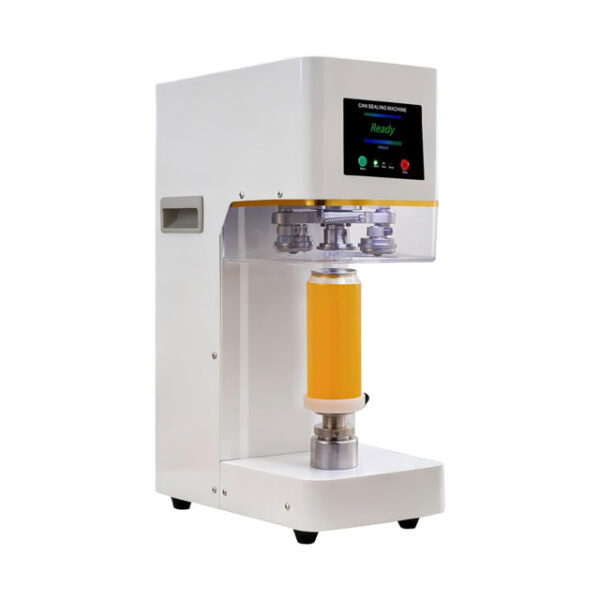 Can Sealer, Commercial Products
Commercial Automatic Soda Can Sealer with Height Adjustable, for Aluminum and Plastic Cans
0 out of 5(0)- Model: RY-FGJ-100D(2022)
- Dimension: 220*400*600
- Weight: 30 KG
- Manufacture date: 2025-05
- Rated Voltage: 220V
- Frequency: 50Hz
- Rated Power: 140W
SKU: n/a
Showing the single result
Can Sealer Machines in Pakistan — Manual, Semi-Automatic & Automatic
Shop Can Sealer Machines
Filter by operation
Browse manual units for startup volumes, semi-automatic models for growing cafés and cloud kitchens, and automatic lines for factories needing consistent throughput. Each product card clearly states operation mode so you can shortlist in seconds.
Filter by can type
Match your product with the right packaging: PET cans for on-the-go beverages and snacks; tin/metal cans for longer shelf life and transport resilience; aluminum easy-open lids where required. Each model notes compatible materials to avoid costly mismatches.
Filter by production capacity
Choose a sealer aligned to your daily demand—small business (pilot batches), mid-volume (steady retail), or industrial (continuous shifts). Throughput indicators (e.g., cans per minute) help you plan staff and delivery schedules.
Filter by diameter/height range
Models specify workable diameter and height ranges so you can seal multiple SKUs with one machine (subject to die/chuck options). If you run mixed sizes for juices, nuts, spices, or protein powders, note changeover steps in the product details.
Related equipment for a beverage station: Juice Dispensers and Ice Crushers to keep service fast during peak hours.
Why Can Sealing?
Leak-proof takeaway & hygiene
Sealed cans reduce spills for delivery riders on Karachi’s busy roads and keep dust out in prep areas. For dine-in and takeaway, closures build customer trust and reduce complaints.
Compliance-ready, easy sanitation
Food-contact parts and simple wipe-down workflows mean faster closing and safer packaging. Stainless and food-grade surfaces simplify your daily cleaning SOPs.
Lower waste and consistent quality
Accurate seams cut rework, improve shelf life for juices and flavored milks, and reduce returns. Standardized closures also help with batch control and branding consistency across outlets.
Setting up a café or juice bar? Explore Coffee Maker Machines and Commercial Blenders alongside can sealers to build a reliable line-up.
Types of Can Sealer Machines
Manual Can Sealers
Manual can sealers are ideal for pilot batches, seasonal kiosks, university canteens, and pop-up stalls that need tidy, professional packaging without committing to a large investment. Operators position the filled can, align the lid, and engage a lever or handwheel to roll the seam. Because each closure is operator-driven, you gain control and flexibility—useful when you’re still testing recipes, portion sizes, or packaging formats. For Pakistan’s startup scene, this keeps entry costs low while still achieving a clean, leak-resistant finish for juices, dry snacks, or spice blends.
Expect modest throughput suited to short runs, with the benefit of quick learning curves and minimal space requirements—great for tight prep areas in Karachi or Lahore. Changeovers between sizes are usually straightforward if you have the right die/chuck set, making manual units a practical choice for menus with frequent rotation. Maintenance is simple: daily wipe-downs and periodic checks of rollers and bearings. If you plan to scale, choose a manual model that shares tooling families with semi-automatic units to protect your investment.
Semi-Automatic Can Sealers
Semi-automatic machines balance speed and control, fitting the needs of cafés, bakeries, and cloud kitchens expanding beyond manual volumes. Operators load the can and trigger the cycle via button, foot pedal, or lever; the machine then controls the seaming sequence for consistent results. This reduces operator fatigue, produces more uniform seams, and raises hourly output—perfect for steady retail demand and delivery spikes on weekends or holidays.
For Pakistani power conditions (220–240V, 50Hz), many semi-auto units run reliably with a stabilizer or UPS, helping you ride out minor voltage fluctuations. Adjustable height and interchangeable tooling allow one machine to cover multiple can heights and diameters, which is useful when you sell 250 ml juices alongside larger nut or cookie packs. Planned preventive maintenance—lubrication, roller inspection, and calibration checks—keeps uptime high and protects seam integrity. If you foresee moving to a conveyor later, shortlist a semi-auto with upgrade paths or integration-ready frames.
Automatic / Industrial Can Sealers
Automatic can sealers suit factories and high-volume facilities where consistent, continuous throughput is the priority. These systems typically integrate infeed tables or conveyors, lid feeders, guarding, and safety interlocks—streamlining production and reducing touchpoints. With programmable settings and repeatable seaming parameters, managers get predictable quality across long shifts, aiding QC audits and retailer compliance. Inline options—such as date coding/embossing and rejection mechanisms—further tighten process control for export or large domestic orders.
In Pakistan’s industrial environment, autos are a strong fit for beverage co-packers, dairy extensions, and food processors serving nationwide distribution. Planning considerations include floor space, three-phase power (when applicable), air requirements for pneumatics, and operator training for changeovers. While capital outlay is higher, cost per sealed can usually drops as volumes climb, especially when labor is redeployed to prep or QA. Choose vendors with local parts availability and technician support to minimize downtime and lead times during peak season.
How to Choose the Right Can Sealer
Product & packaging fit
Start with the product you’re sealing and the packaging you prefer, then work backwards to the machine. Confirm the can material (PET vs tin/metal) and the lid profile you’ll use, such as easy-open styles, because tooling must match both. Check the machine’s supported diameter and height ranges and whether changeovers require only a die/chuck swap or additional adjustments. If you run multiple SKUs—like 250 ml juices and taller snack cans—prioritize models with quick height adjustment and repeatable settings.
For liquid foods and beverages, focus on seam integrity and splash control during loading to keep hygiene high. Dry goods like nuts, spices, and cookies are generally more forgiving but still benefit from uniform seams for shelf life and presentation. Ask for a short demo with your actual cans and lids to validate compatibility before ordering. A small pilot batch helps you confirm fill level, headspace, and crimp quality under real conditions.
Throughput & uptime
Estimate your daily and peak requirements, then translate that into cans per minute so machine choices are apples-to-apples. Manual units suit low, flexible volumes; semi-automatic raises consistency and reduces operator fatigue; automatic lines deliver continuous output for factories. Consider changeover time if you switch sizes during the day, because frequent tooling swaps can erode net throughput. Track real capacity over a full shift, not just a one-minute burst, to account for loading, QC checks, and cleaning.
Reliability matters as much as speed for Pakistan’s busy service hours. Look for clear maintenance schedules, easy access to rollers, and alignment guides that keep quality stable even with rotating staff. If you plan to scale, choose a platform with upgrade paths—such as optional conveyors, lid feeders, or coders—so you don’t replace the whole system later. Document SOPs around pre-shift checks and end-of-day sanitation to keep uptime predictable.
Power & environment
Most sites operate on 220–240 V, 50 Hz; confirm your machine’s power draw and whether a stabilizer or UPS is recommended. In Karachi and other coastal cities, humidity and salt air call for stainless or protected finishes on food-contact and exposed parts. Check whether your model needs compressed air for pneumatics and plan the compressor size and filtration accordingly. For hot kitchens or tight counters, verify the footprint, ventilation space, and noise levels in the product sheet or demo.
Electrical protection saves headaches during load-shedding or voltage dips. Use dedicated circuits, proper earthing, and cable management to keep operators safe and the seam consistent. If you share power with chillers, blenders, or coffee machines, stagger startups to avoid nuisance trips. Schedule quarterly inspections to catch loosening fasteners, roller wear, or drift in seam settings early.
After-sales & spares
Local service and spares availability are decisive for continuous operations. Ask about on-site support in Karachi and courier options nationwide for parts like rollers, bearings, and lid chucks. Clarify warranty coverage: which consumables are excluded, what labor is included, and typical response times during peak season. Request a spare kit list at purchase so you’re stocked for the first year of use.
Training reduces rework and speeds onboarding for new staff. A good vendor should provide a user manual, basic tool kit, and operator training on seam checks and daily cleaning. Keep a maintenance log—date, task, and operator name—to pass audits and protect warranty claims. When comparing quotes, weigh service depth alongside machine specs and price.
Pricing & Quotations in Pakistan
What affects price
Total cost depends on operation mode (manual, semi-automatic, automatic), build materials, tooling quantity, and throughput. Accessories such as extra die sets, lid feeders, and date coders add capability and budget, so separate “must-have” from “phase-two” items. Import cycles, duties, and exchange rates can shift pricing, so written quotes are more reliable than ballpark numbers. Consider lifetime cost: spares, downtime risk, and training often outweigh small differences in sticker price.
If you’re launching with two can diameters, it can be cheaper to buy one machine with multiple die sets than two separate machines. Conversely, high-mix operations may justify two semi-autos to avoid frequent changeovers. Clarify whether installation, commissioning, and initial training are included or billed separately. Ask for lead time commitments and what happens if shipments are delayed.
How to get today’s price
Share your can material, diameter/height, daily volume, and any add-ons you need to receive a precise quote. Request a formal proposal that lists model, tooling, inclusions, warranty, lead time, and delivery method to your city. For Karachi buyers, in-person demo slots can accelerate decisions; nationwide buyers can request a video demo with your actual cans and lids. For related B2B equipment bundles, explore our commercial range here: Commercial Products.
Before issuing a PO, run a trial on a few sample cans to confirm seam quality and headspace. Align payment terms with your rollout plan so training and delivery happen before your launch date. If your recipe or packaging may evolve, include optional line items—like an extra die set—so you can approve them later without revising the whole quote. Keep the quote valid-through date on record to avoid surprises if exchange rates shift.
Finance & bulk orders
Corporate and institutional buyers often prefer purchase orders with staged delivery; discuss schedules that match your production plan. Some buyers split the project into phases—starter machine now, add conveyors and coders after validation—to control risk and cash flow. If you operate multiple outlets, consolidating orders can help with tooling standardization and spares planning. Ask about reseller or bulk terms if you’re equipping several sites at once.
For SMEs, it’s practical to start with a semi-auto and add a compatible second unit as demand grows. Keep a small budget buffer for spares and preventive maintenance during the first quarter of operations. Document the ROI using saved labor minutes, reduced reworks, and fewer delivery complaints to justify future upgrades. When volumes stabilize, revisit automation to capture lower cost per sealed can.
Included Accessories & Add-ons
Standard inclusions
Typical deliveries include one base die set matched to your selected can size, a basic toolkit, and a user manual. Machines arrive test-run; on-site verification confirms alignment and safety interlocks. Keep packaging and crates until commissioning is complete so returns or adjustments are easy if needed.
Optional add-ons
Enhance flexibility with extra die sets for additional diameters, quick-change height kits, and spare lid chucks. For higher throughput, consider a lid feeder, infeed table, or conveyor. Quality-control upgrades such as an embosser or date coder support traceability for retailers and audits. Discuss compatibility at the quote stage to avoid retrofit costs later.
Starter consumables
If you’re still validating your concept, request a small starter pack of PET or tin cans and compatible lids for test batches. Use these to set fill levels, dial seam parameters, and train new staff on hygiene procedures. Once validated, source bulk consumables with consistent specifications to maintain seam quality.
Installation, Training & Support
Karachi demo & nationwide delivery
Book an in-person demo in Saddar, Karachi, or request a video demo with your actual cans and lids. Delivery options include courier or dedicated transport, depending on machine size. For remote sites, we provide guidance on unpacking, placement, and first run so you’re productive on day one.
Warranty & service
Warranty terms outline coverage for parts and labor, with exclusions for consumables. Keep a copy of your commissioning checklist and maintenance log to simplify any claims. For urgent needs, technician visits can be scheduled in Karachi; for other cities, we support via phone/video and ship parts nationwide.
Maintenance checklist
Daily: wipe down food-contact areas and check for loose fasteners. Weekly: inspect rollers, bearings, and alignment; re-lubricate per the manual. Quarterly: review seam measurements, replace worn parts, and refresh training for new staff. A small spare kit—rollers, bearings, a belt if applicable—keeps uptime predictable.
FAQs
Can one machine handle both PET and tin cans
Many models can handle different materials with the correct tooling, but always confirm compatibility and seam settings during a demo.
Does it work with easy-open (EOE) lids
Yes—where supported by the machine and tooling set. Provide lid specs so we can match or source the right chuck.
What can diameters/heights are supported
Each model lists a supported range; switching sizes typically requires a die/chuck change and height adjustment.
What power requirements should I plan for
Most units run on 220–240 V, 50 Hz. Stabilizers or UPS are recommended in areas with voltage fluctuation. Some industrial models may require three-phase power and compressed air—confirm in the quote.
What are the lead times and delivery options
Lead times depend on model and tooling; Karachi pickups and nationwide shipping are available. Request current timelines with your quote.
Do you provide sample cans/lids for trials
Sample packs can be arranged for testing and training during evaluation, subject to availability at the time of request.
What’s typical throughput by machine type
Manual: suited to short runs; Semi-automatic: steady retail demand; Automatic: continuous industrial output. Exact CPM depends on model and product setup.