
Dough Sheeter Machine
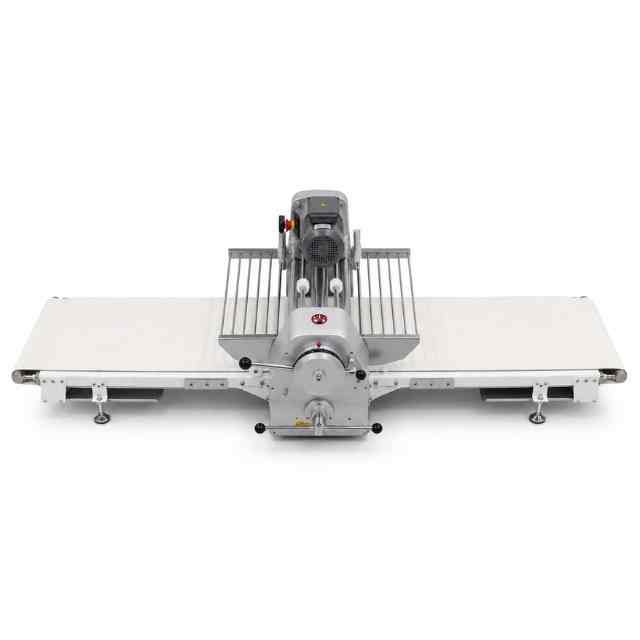 ₨540,000Product Type: Table Top Dough SheeterModel: BDQ-520BPower: 0.55 kWVoltage: 220VFrequency: 50HzMachine Weight: 165 kgSerial Number: 202604171Application: Suitable for rolling and flattening dough for bakery, pastry, pizza, and commercial food preparation...
Commercial Dough Sheeter Machine in Pakistan
Yasir Electronics lists commercial dough sheeting equipment for bakeries, pastry shops, pizza businesses, hotels, restaurants and food-production kitchens in Pakistan. A dough sheeter takes prepared dough and passes it through rollers to create a more even sheet thickness, helping businesses standardise pastry, pizza and other dough-processing work.
The current category is represented by the Table Top Dough Sheeter BDQ-520B, a heavy commercial machine intended for professional bakery and food-preparation use. Buyers should compare more than the machine name alone. Dough type, required sheet size, thickness control, workspace, electrical supply, machine weight, cleaning access and parts support can all affect whether a sheeter fits the production line. Check the product listing below for current commercial pricing and availability.
What Is a Commercial Dough Sheeter?
A commercial dough sheeter rolls prepared dough between rollers to reduce it to a controlled, more consistent thickness. Depending on the machine design, dough may pass through the rollers several times as the operator progressively reduces thickness.
Sheeting is different from mixing. The dough must first be mixed and developed before it reaches the sheeter. In commercial pastry work, a sheeter can also support lamination by helping roll dough and fat layers during repeated folding and sheeting stages, but it does not perform the entire lamination process by itself.
Current Dough Sheeter at Yasir Electronics
| Specification | Verified Yasir Listing |
|---|---|
| Model | BDQ-520B |
| Machine Type | Table Top Dough Sheeter |
| Power | 0.55 kW |
| Voltage | 220V |
| Frequency | 50Hz |
| Machine Weight | 165 kg |
| Listed Applications | Bakery, pastry, pizza and commercial food preparation |
The BDQ-520B product page should remain the main source for exact unit specifications. Yasir does not currently verify roller width, thickness range, dough-piece capacity, conveyor dimensions or reversible operation on the listing, so buyers should confirm those points before purchase if they are important to production planning.
What Can You Make With a Dough Sheeter?
A dough sheeter can support several commercial bakery and food-production workflows, provided the dough formulation and machine capability are suitable. Common applications include croissant dough, puff pastry, Danish-style pastry, pie and pastry sheets, pizza dough and selected flatbread or layered-dough production.
Results depend on dough hydration, gluten development, fat content, dough temperature, resting time and the roller range of the machine. A sheeter that works well for one pastry process may not automatically suit every bread, pizza or flatbread formula.
How a Dough Sheeter Supports Croissant and Puff-Pastry Lamination
Consistent sheeting is important in laminated pastry because dough and fat layers need to remain even through repeated rolling and folding. A sheeter helps reduce thickness in a more controlled way and can make repeated passes more consistent than manual rolling.
The machine supports the lamination stage; it does not replace mixing, resting, chilling, folding, proofing or baking. Croissant and puff-pastry quality still depends on dough development, fat consistency, temperature control and operator technique.
Dough Sheeter vs Dough Mixer
| Factor | Dough Sheeter | Dough Mixer |
|---|---|---|
| Production stage | After dough preparation | Early dough preparation |
| Main job | Rolls prepared dough to controlled thickness | Mixes and kneads ingredients into dough |
| Typical output | Dough sheet | Mixed or kneaded dough mass |
A bakery may need both machines because they perform different tasks. Businesses preparing dough in repeated batches can compare Yasir's commercial dough mixers and spiral mixers for bakery production separately.
Dough Sheeter vs Dough Roller vs Dough Press
The term “dough roller” is used broadly in the market for equipment that flattens dough. A commercial dough sheeter generally describes a machine that progressively reduces dough thickness through rollers, often as part of a pastry or bakery workflow. Yasir also lists a separate Commercial Product Dough Roller, so buyers should not assume the two products have identical construction or applications.
A dough press works differently. It typically flattens a dough portion by pressing it between surfaces rather than progressively passing it through sheeting rollers. The better format depends on the product being made and the production method.
Tabletop vs Floor-Standing Dough Sheeters
| Decision Factor | Tabletop Format | Floor-Standing Format |
|---|---|---|
| Placement | Requires a suitable commercial support surface | Uses its own floor-standing frame |
| Workspace | Can integrate with a workbench layout | Often planned as a dedicated production station |
| Selection priority | Support strength, working height and clearance | Floor footprint, access and production flow |
“Tabletop” does not mean lightweight or portable. The BDQ-520B is listed at 165 kg, so buyers should verify the support surface, working height, delivery route and surrounding clearance before positioning it. Professional handling is appropriate for heavy commercial machinery.
How to Choose the Right Roller Width
Roller width affects the maximum practical width of dough that can pass through a sheeter. Wider rollers can support wider pastry sheets or larger production formats, but they also tend to require more working space.
Choose width according to the products you make, the dough-piece dimensions entering the machine and the available bakery layout. Wider is not automatically better. Yasir does not currently publish a verified roller width for the BDQ-520B, so this specification should be confirmed from the exact unit before ordering.
Why Thickness Adjustment Matters
Controlled thickness helps bakeries produce more consistent croissant dough, puff pastry, pastry sheets and pizza bases. In many professional workflows, dough is reduced gradually over several passes rather than forcing a thick dough piece directly to the final setting.
The correct progression depends on the dough and the machine instructions. Yasir does not publish a verified minimum or maximum thickness range for the BDQ-520B, so avoid relying on figures from another supplier that happens to use the same model code.
What Is a Reversible Dough Sheeter?
A reversible dough sheeter moves dough back and forth through the rollers for successive passes, which can simplify progressive thickness reduction. This is a general explanation only; reversible operation is not verified for Yasir's current BDQ-520B.
How Much Dough Can a Sheeter Handle?
Commercial sheeter capacity can mean several different things. Manufacturers may specify maximum dough-piece weight, workable sheet width, roller opening or another operating limit. None of those figures automatically tells you hourly production.
Actual throughput depends on dough type, number of passes, target thickness, resting or chilling requirements, lamination sequence, operator experience and what happens after sheeting. Never convert a maximum dough-block weight into kilograms per hour unless the manufacturer publishes a tested throughput figure for that exact machine.
Workspace and Footprint Planning
Plan for the machine in its working condition, not only the size of its main body. Conveyor-based sheeters can require substantially more operating space when their tables are extended. Staff also need room for loading dough, receiving the sheet, folding or turning it and cleaning around the equipment.
Place the sheeter logically within the production flow, such as between dough preparation and the pastry workbench or forming area. For a bakery setup, related baking equipment can be reviewed under Yasir's commercial bakery ovens.
Electrical Requirements for the BDQ-520B
Yasir lists the BDQ-520B at 0.55 kW, 220V and 50Hz. These values should be checked against the exact supplied unit before installation because commercial equipment can exist in different regional or supplier configurations.
Use a qualified installer or electrician to assess the site. This category copy should not be used to select wiring, protective devices or electrical modifications.
Dough Temperature and Consistency Affect Sheeting
Good sheeting depends on the dough as well as the machine. Hydration, gluten development, dough temperature, rest time, flour dusting and fat consistency can all affect how smoothly dough passes through rollers.
For laminated pastry, dough and roll-in fat need to remain workable enough to form clean layers. If either becomes too soft, too firm or poorly conditioned, the sheeter cannot correct the underlying formulation or process problem by itself.
Safety, Cleaning and Maintenance
Operators should be trained to keep hands, loose clothing and other items away from moving rollers. Use the machine only in a stable commercial position, follow the exact safety instructions supplied with the unit and isolate power before maintenance.
Remove flour and dough residue according to manufacturer instructions and keep accessible roller and conveyor surfaces clean. Do not pressure-wash electrical equipment, immerse motorised components or dismantle guarded mechanisms for routine cleaning.
Watch for abnormal noise, roller cleanliness and belt or conveyor problems where applicable. Repairs or adjustments to guarded and moving systems should be handled by trained service personnel.
Who Should Consider a Commercial Dough Sheeter?
A sheeter can be useful for artisan bakeries, croissant and pastry shops, hotel bakeries, restaurant pastry sections, pizza businesses, catering kitchens and central production facilities that repeatedly need controlled dough thickness.
It may be unnecessary for a low-volume operation producing only occasional small batches that can be rolled efficiently by hand. Equipment should solve a real production constraint rather than simply add machinery to the kitchen.
Commercial Dough Sheeter vs Manual Rolling
| Factor | Commercial Sheeter | Manual Rolling |
|---|---|---|
| Thickness consistency | Designed for controlled repeat passes | Depends heavily on operator technique |
| Repeatability | Useful for repeated commercial production | Practical for smaller batches |
| Workspace | Requires dedicated machine and operating space | Requires a suitable bench area |
| Investment | Commercial equipment purchase | Lower equipment requirement |
Can a Dough Sheeter Be Used for Pizza?
Yes, a dough sheeter can support pizza production when the business uses mechanically flattened dough. Yasir specifically lists pizza among the BDQ-520B applications.
However, not every pizza style benefits from sheeting. Some businesses prefer hand stretching to preserve a particular rim or internal structure. The dough formula and desired finished crust should guide the process.
Can a Dough Sheeter Be Used for Paratha or Flatbread?
Sheeting equipment may support selected flatbread or layered-dough workflows when formulation, thickness and shape are compatible. Do not assume a pastry sheeter is a complete roti, chapati or paratha production machine; high-volume operations may require specialised forming or pressing equipment.
Choosing a Dough Sheeter for a Karachi Bakery
Karachi buyers should assess available kitchen space, electrical compatibility, staff training, service access, spare-part availability and the physical route for delivering heavy machinery into the final production area.
For commercial-appliance enquiries, Yasir Electronics lists 0336-8576084 and its Saddar location at Hashoo Centre, Shop 61, Abdullah Haroon Road, Karachi. Confirm the exact specifications, warranty, delivery arrangements and support terms before ordering.