
No products in the cart.
Gas Heater
Showing the single result
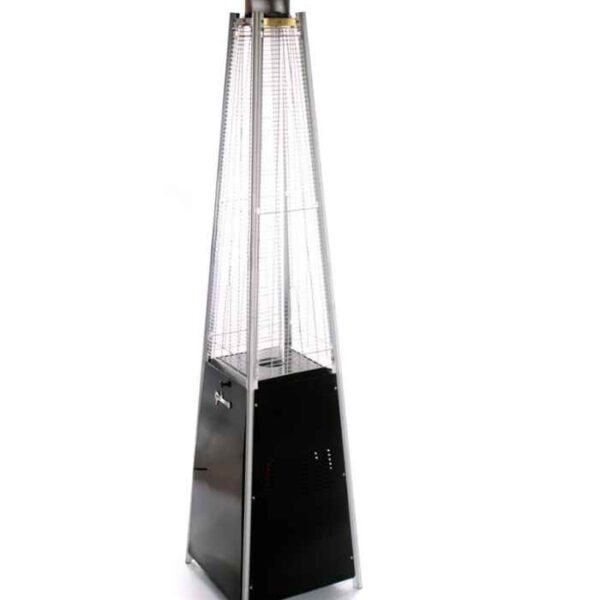
Showing the single result
Gas Heater Price in Pakistan — Shop by Room Size & Fuel
Warm up your home the smart way. At Yasir Electronics (Hashoo Centre, Shop 61, Abdullah Haroon Road Saddar, Karachi), we help you choose a gas heater that actually suits your room size, fuel source, and safety needs. Call/WhatsApp 0321 2222391 for today’s availability and guidance. We offer genuine stock with bill and delivery options across Pakistan, plus easy in-store pickup for Karachi shoppers.
Quick Finder — Get the Right Heater Faster
Choose by Room Size
Small bedroom (up to ~120 sq ft): Choose compact radiant or blue-flame models that warm people and close surroundings quickly.
Medium lounge/master (≈121–300 sq ft): Balanced convection or fan-assisted units distribute heat more evenly to corners and seating areas.
Large room/hall (300+ sq ft): Consider higher-output or wall-mounted options; plan ventilation due to longer run times.
Choose by Fuel: Sui Gas vs LPG
Sui Gas (pipeline): Convenient for Karachi homes with SSGC connection; stable running comfort. Check gas pressure during peak evening hours.
LPG (cylinder): Flexible for rooms without pipeline gas or in low-pressure areas; budget for a quality regulator and safe cylinder placement.
Tip: Many portable heaters can be configured for either fuel—confirm nozzle/orifice compatibility before purchase.
Choose by Mounting & Safety
Portable: Easy to move between bedroom and lounge; ideal for renters.
Wall-Mounted: Saves floor space and keeps units out of children’s reach; plan for professional fitting.
Essential Safety Features: Oxygen Depletion Sensor (ODS), tip-over switch, flame failure device (FFD), and child lock. A thermostat/timer adds comfort and helps avoid over-heating.
Featured Picks — Today’s Best Matches (Examples)
Best for Bedrooms (Budget-Friendly Warmth)
Compact infrared or blue-flame units that heat quickly without blasting the whole room. Look for ODS and tip-over protection as non-negotiables.
Best for Lounges (Balanced & Comfortable)
Convection or fan-assisted heaters that spread warmth to corners and seating areas. A thermostat helps maintain steady comfort for family time.
Best for Large Rooms (Higher Output)
Wall-mounted or higher-capacity portable models designed for long runtimes. Plan ventilation gaps and clearances around curtains and furniture; call us to confirm the right size for your hall.
Compare by Room Size — Simple Sizing Guide
What size heater do I need?
Picking the right size starts with floor area and ceiling height. For small bedrooms (≤120 sq ft), compact radiant or blue-flame units typically feel warm faster because they heat people and nearby objects. For medium lounges (121–300 sq ft), choose convection or fan-assisted heaters that circulate warm air to corners and seating areas. For large rooms (300+ sq ft) or higher-than-10-ft ceilings, look at higher-output or wall-mounted units, and consider using door draft stoppers to keep warmth in.
Non-technical cues help you decide quickly. If your room has single-pane windows, tile floors, gaps under doors, or faces strong sea breeze, you’ll lose heat faster and may need the next size up. If the room is well-sealed with rugs and curtains, you can stay comfortable with a balanced convection model rather than jumping to the highest output. Always place the heater where people actually sit; moving a portable unit closer often beats oversizing.
Low Gas Pressure in Karachi Evenings
Karachi homes sometimes experience pressure dips at peak hours, which can reduce flame height and slow heating. Infrared/radiant heaters still feel warm in these conditions because they heat surfaces directly, making them a smart pick for bedrooms and study areas. Fan-assisted heaters help distribute warmth quickly when pressure is normal; if you use LPG, ensure a good regulator and correct nozzle/orifice for stable operation. Whichever type you choose, test performance at your typical use time and keep hoses and connections in good condition.
Doors & Ventilation: Warmth + Safety
Warmth should never compromise fresh air. Keep a small window or door gap for ventilation, especially in closed rooms, and never sleep with a heater left on unattended. Maintain clearances from curtains, sofas, and bedding, and position cylinders (for LPG) upright in a stable, ventilated spot away from heat sources. A simple soap-solution leak test on connections is a good habit whenever you move or reconnect a unit.
Types of Gas Heaters — Pros, Cons, Best Use
Infrared / Radiant (ceramic panel)
Radiant heaters warm people and objects directly, so you feel heat quickly even if the whole room hasn’t warmed up. They shine in smaller rooms, studies, or when you sit close, and they’re less bothered by short-term gas-pressure drops. Because they don’t rely on moving a lot of air, they also stir up less dust, which many households appreciate in winter. Placement matters: face the seating area for immediate comfort.
The trade-off is that far corners can remain cooler, so whole-room uniformity is limited. In larger lounges, a radiant unit may need to run longer or be paired with a ceiling fan on low to spread warmth. Choose models with ODS, tip-over switch, and FFD to reduce risk in closed spaces. For bedrooms, use sensible run times and follow the ventilation advice above.
Blue-flame / Convection
Blue-flame heaters warm the air, creating a more even temperature across the space. They’re a popular pick for family lounges where multiple people sit in different spots and want similar comfort levels. With steady pipeline gas, they deliver consistent warmth without hot spots near the unit. A thermostat helps maintain temperature without frequent manual adjustments.
They can feel slower at first because heating the full air volume takes time. If your room has drafts or frequent door openings, you may notice heat loss between cycles; sealing gaps pays off here. Pick a model with safety features and place it away from walkways to avoid accidental contact. In mid-sized Pakistani lounges, convection is often the most comfortable long-session choice.
Fan-assisted / Turbo
These are essentially convection heaters with a built-in blower to push warm air quickly across the room. They’re great when you want fast warm-up before guests arrive or during study hours. The airflow helps even out temperature layers near ceilings and corners, reducing cold spots. In practice, many households use the fan initially and then switch to a lower setting for steady comfort.
Consider the fan noise level and the need for a small amount of electricity for the blower. If evening pressure dips are common, combine fan-assist with good sealing to hold onto the heat you distribute. Keep the unit on a stable, level surface and maintain the rear intake clear of dust for smooth airflow. As with all heater types, prioritize ODS, FFD, and tip-over protection.
Wall-mounted heaters
Wall-mounted units save floor space, stay out of children’s reach, and suit larger rooms or long run times. Being fixed in place, they often deliver more consistent comfort and can be paired with a room thermostat for hands-off control. Placement on an interior wall near the main seating zone usually yields the best feel. Many households like wall-mounts for lounges that double as dining spaces.
Installation and positioning deserve care; plan clearances and have fittings checked by a qualified technician. If you ever rearrange furniture, make sure airflow remains unobstructed. Wall-mounted options are a strong pick when you want a clean look and predictable performance through the season. They’re also easier to keep level and safe from accidental knocks.
Hybrid electric + gas (or gas heater + electric fan assist)
Some heaters combine gas warmth with electric controls or fans, offering fast distribution with modest electricity use. This approach helps when gas pressure is normal but you want rapid, whole-room comfort for shorter sessions. It’s also useful during transitional weather when you run the blower briefly to prevent warm-air stratification. The convenience is noticeable in multi-purpose lounges and open-plan spaces.
You’re paying for versatility, so purchase price may be higher than basic models. Make sure you have a nearby outlet with safe cable routing and avoid daisy-chaining extension leads. Consider how you’ll use the hybrid features day to day; set realistic expectations for electricity usage. If you often entertain or need quick pre-heating, hybrid models can be worth it.
Gas Heater Price in Pakistan — What Really Affects the Price
Price drivers you should know
Prices vary by heater type, heat output class, and the safety system inside the unit. Radiant models tend to cost less up front, while convection or fan-assisted heaters add to the price through better distribution and controls. Wall-mounted options typically command a premium due to sturdier build, brackets, and sometimes thermostatic control. Brand warranty and parts availability also influence cost, because after-sales support reduces long-term risk.
Finishing and materials matter too: thicker grilles, stable bases, and heat-resistant panels cost more but improve durability. A built-in thermostat/timer adds convenience and can save gas through smarter cycling. If a unit includes ODS, tip-over switch, and flame failure device (FFD), expect a higher—but worthwhile—price for safety. Finally, seasonal demand can nudge pricing, so early-season purchases often provide better choice.
Sui Gas vs LPG — Cost & convenience notes
Sui Gas (pipeline) is convenient for households with an SSGC connection, removing cylinder handling and giving predictable running costs. When evening pressure dips occur, choosing a heater type that still feels warm—like radiant—can preserve comfort without oversizing. Pipeline setups also reduce ongoing logistics, which is valuable for multi-room use across the winter.
LPG (cylinder) offers flexibility where pipeline gas is unavailable or unreliable. Upfront costs include a good-quality regulator, hose, and clamps, and you must factor safe cylinder storage and periodic refills. Performance depends on correct nozzle/orifice and proper regulator rating; when these are right, LPG heaters perform consistently. For frequent room moves, portable LPG heaters provide mobility that pipeline connections can’t match.
The safest way to check today’s price
Because stock and specifications change, the most reliable method is to Call/WhatsApp 0321 2222391 for live price and availability. Share your room size, fuel type (Sui Gas or LPG), and any preferred features (e.g., thermostat, wall-mounting) so we can match options within your budget. If you’re in Karachi, you can also visit our Saddar store (Hashoo Centre, Shop 61, Abdullah Haroon Road) to compare build quality in person. We’ll confirm warranty terms, installation guidance, and delivery options before you decide.
Safety & Installation for Pakistani Homes
Must-have safety features (non-negotiable)
Prioritize heaters with Oxygen Depletion Sensor (ODS), which detects low oxygen and shuts off the flame automatically. Pair this with a tip-over switch for portable units to cut gas flow if the heater is knocked. The flame failure device (FFD) is essential; it stops gas if the flame goes out unexpectedly. For families, a child lock prevents accidental operation during busy evenings.
Ventilation & carbon-monoxide awareness
Warmth must come with fresh air. Keep a small window or door gap during use, particularly in compact bedrooms, and never sleep with a gas heater running unattended. Avoid enclosing the heater with curtains or sofa backs; it needs space to breathe and disperse heat. In tightly sealed rooms, run the heater to reach comfort, then turn it off and rely on retained warmth plus blankets.
Watch for signs of poor combustion—persistent yellow sooting, unusual smells, or headaches—and turn the heater off immediately if noticed. Schedule a quick seasonal check on connections, especially after storage. If you use LPG, position cylinders upright on a stable surface away from heat and direct sunlight. Good ventilation isn’t a luxury; it’s part of safe heating.
Setup basics & leak checks
Use correct hose diameter, regulator rating, and nozzle/orifice for your chosen fuel. After any connection or movement, perform a simple soap-solution leak test on joints; bubbles mean you should stop and correct the fit. Keep hoses short, untwisted, and visible—never run them under carpets where heat and wear can go unnoticed. For wall-mounted units, confirm clearances with a level bracket and anchor into solid structure.
Place portable heaters on a flat, level surface away from walkways to avoid knocks, and maintain at least 1 meter clearance from bedding and drapes. Dust the rear intake and front grille regularly so airflow stays smooth and odor-free. If you’re unsure about any step—especially for wall mounting—ask us to guide you or refer a qualified technician. Safe setup ensures reliable warmth through the whole winter.
FAQs
Most household heaters work well on typical SSGC pressure, but evening dips can happen. Radiant models feel warm even when flames are lower, while convection units are excellent when pressure is stable. Tell us your usage time and room size; we’ll recommend a model that performs comfortably during your peak hours.
Use an approved cylinder with a matching regulator rating and high‑quality hose and clamps. Correct nozzle/orifice sizing is essential for clean combustion. Keep the cylinder upright, outdoors or in a ventilated spot, and perform a quick leak test after every reconnect.
Yes, but keep a ventilation gap, follow sensible run times, and never sleep with the heater left on. Compact radiant units aimed toward the bed or seating area provide quick comfort without heating unused corners. Maintain clearances from bedding and curtains to reduce risk.
We provide genuine stock with proper bill/invoice. Karachi customers can pick up from Hashoo Centre, Shop 61, Abdullah Haroon Road Saddar, and we arrange delivery options across Pakistan. Warranty terms depend on the brand; we’ll confirm details at purchase and guide you on claims if ever needed.
Actual running cost varies by local gas pressure, heater size, and room sealing. Gas heaters typically deliver strong warmth for lounges and larger rooms; electric options suit spot heating or backup. Share your usage pattern, and we’ll help you choose a setup that balances comfort and budget.