
No products in the cart.
Daikin Floor Standing Air Conditioners
Showing all 2 results
- Air Conditioner, Cooling Appliances, Daikin Air Conditioners, Daikin Floor Standing Air Conditioners, Floor Standing Air Conditioners
Daikin 3.8 Ton Floor Standing AC FVQN125AXV1
 Non-InverterAir Conditioner, Cooling Appliances, Daikin Air Conditioners, Daikin Floor Standing Air Conditioners, Floor Standing Air Conditioners
Daikin 3.8 Ton Floor Standing AC FVQN125AXV1
0 out of 5(0)- 45000 BTU
- Made in Malaysia
- R410 Refrigerant
- 3 Phase
- Heat & Cool
- Official Warranty
SKU: n/a - Air Conditioner, Cooling Appliances, Daikin Air Conditioners, Daikin Floor Standing Air Conditioners, Floor Standing Air Conditioners
Daikin 2.3 Ton Floor Standing FVQN71A Made in Malaysia
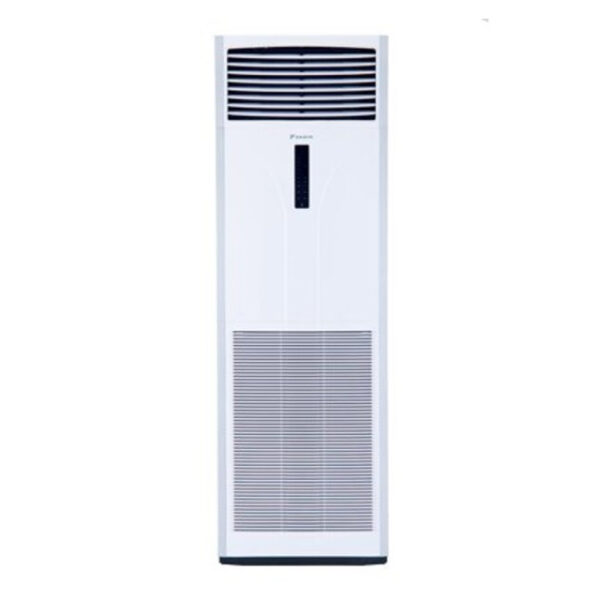 Non-InverterAir Conditioner, Cooling Appliances, Daikin Air Conditioners, Daikin Floor Standing Air Conditioners, Floor Standing Air Conditioners
Daikin 2.3 Ton Floor Standing FVQN71A Made in Malaysia
0 out of 5(0)- 55000 BTU
- Made in Malaysia
- R410 Refrigerant
- 1 Phase
- Rotary Compressor
- Heat & Cool
- Official Warranty
SKU: n/a
Showing all 2 results
Daikin Floor Standing Air Conditioners in Pakistan
Looking for reliable cooling for large rooms, halls, or busy offices? Daikin floor standing air conditioners deliver strong airflow and wide coverage without the need for ceiling work. For buyers in Pakistan—especially in heat-prone cities—these units offer practical performance with simple placement and easy access for service. At Yasir Electronics, we help you match capacity to your space, explain inverter vs non-inverter options, and guide installation so you get consistent comfort, not guesswork.
If you’re also considering wall-mounted or cassette solutions in the Daikin family, browse our broader lineup here: Daikin Air Conditioners.
Why Choose a Daikin Floor Standing AC?
Built for Big Spaces
Daikin standing ACs are designed to move a lot of air, helping cool long rooms, halls, showrooms, clinics, and reception areas where a single wall unit may struggle. Their floor placement provides flexible installation—useful in rented properties or locations where ceiling or wall modifications are limited. For many Karachi offices and retail areas with steady footfall, the combination of high airflow and simple siting makes floor standing units a practical first choice.
Comfort and Reliability
With a stable air throw and even temperature distribution, these units reduce hot spots and frequent on/off cycling. That means a more comfortable environment during peak afternoon loads and fewer interruptions for teams or customers. When serviced on schedule and installed on an appropriate electrical circuit, Daikin systems are known for dependable operation across long summer hours typical in Pakistan’s commercial settings.
Heat & Cool Options
For northern regions and winter nights, a heat & cool floor standing air conditioner can be a smart all-season choice. In coastal cities like Karachi, cool-only can be sufficient for many use cases; however, mixed-use facilities or late-evening office operations may still benefit from heat mode for year-round comfort. We’ll help you decide whether the additional investment fits your actual usage.
Picking the Right Capacity (Tonnage) for Your Room or Hall
Quick Sizing Guide for Pakistan
Good sizing starts with the space itself: floor area, ceiling height, number of occupants, sunlight exposure, glass surfaces, and internal heat loads from lights or equipment. For floor standing ACs in showrooms, clinics, and reception areas, steady foot traffic and frequent door opening add extra heat load, so a like-for-like swap from a wall unit often underperforms. Treat published tonnage as a starting point, not a guarantee—final selection should consider the real conditions of your site. Our team can help you shortlist suitable Daikin models and confirm capacity after a quick consult.
If your layout is long or L-shaped, a single large unit may not distribute air evenly to far corners. In these cases, two appropriately placed units can outperform one oversized unit by reducing hot spots and drafts. Likewise, very high ceilings or mezzanines change airflow behavior—grilles and obstacles can deflect throw, so plan placement before committing. For an apples-to-apples view across brands and sizes, you can also compare options here: All Floor Standing ACs.
Karachi, Lahore, Islamabad: What Changes?
Karachi’s coastal humidity and long summer season often mean ACs run for extended hours; consider inverter-based Daikin units to smooth power draw and stabilize temperatures. In Lahore and Islamabad, higher peak summer temperatures and colder winters make Heat & Cool variants attractive for year-round use. Power quality can vary across neighborhoods; planning a dedicated circuit and verifying breaker capacity is smart insurance against nuisance trips and inefficiency. Where sun-facing glass or metal shutters heat up the space, simple measures like blinds or films can reduce the load and improve comfort.
Busy commercial sites (cash counters, salons, clinics) generate extra heat from people and appliances, so capacity that worked in a lightly used room may struggle in these settings. If frequent door openings let hot air in, prioritize strong airflow and thoughtful placement near entries—not just raw tonnage. When noise matters (e.g., consulting rooms), inverter models help by avoiding harsh on/off cycles. For general guidance on inverter benefits, see our overview category: DC Inverter AC.
2-Ton vs Larger Capacities
A 2-ton Daikin floor standing air conditioner can be a solid match for medium-to-large rooms with moderate occupancy and controlled sunlight. However, large halls, classrooms, or retail floors with persistent foot traffic often need higher capacity or multiple units to maintain even temperatures throughout the day. If your space regularly seats many people or hosts equipment that gives off heat (e.g., lighting rigs, servers, ovens in a café), plan for the extra load rather than running a smaller unit at maximum all day. Right-sizing prevents short cycling, improves comfort, and can reduce operating costs.
When in doubt between one larger unit and two smaller ones, consider zoning: two units offer placement flexibility, partial operation during low footfall, and redundancy if one unit is under service. Always check electrical readiness—some larger capacities require higher-rated breakers and stable voltage. We’re happy to review a simple sketch or room dimensions and guide you to a confident decision before purchase.
Inverter vs Non-Inverter (Daikin Floor Standing)
Energy Saving & Comfort
Inverter floor standing ACs adjust compressor speed to match the room’s demand, which helps avoid the waste that comes from repeated start–stop cycles. In Pakistan’s long summers—especially with shops and offices running all day—this steady modulation can translate into smoother temperatures and fewer spikes on the meter. If your usage is 6–10 hours daily or more, an inverter Daikin typically feels more comfortable because it maintains the set point rather than overshooting and dipping repeatedly. For spaces with variable crowd levels, modulation also helps the unit react to the extra heat load without loud surges.
Non-inverter models can still be a workable, budget-friendly choice for shorter daily runtimes or backup cooling. They’re straightforward to operate and, when correctly sized, can deliver strong cooling during peak hours. If your shop opens only in the evenings or you cool intermittently, the cost difference may not pay back as quickly. The key is matching the technology to actual usage patterns—steady, longer runtimes favor inverter; intermittent, shorter runtimes can justify non-inverter.
Noise & Wear
Because inverter systems avoid frequent hard starts, they tend to sound calmer in consulting rooms or reception areas. This smoother operation is also gentler on mechanical components, which can help reduce wear from constant cycling. In a clinic, salon, or office where conversations matter, the difference in subjective noise can be noticeable. For event halls or high-traffic retail where ambient noise is already high, non-inverter sound levels may be less of a concern.
Regardless of model, proper placement and routine service make the biggest difference to real-world noise. Check that the unit isn’t aimed directly at a workstation or waiting area, and keep filters clean so the fan doesn’t work harder than necessary.
Power Planning & Runtime
Plan a dedicated circuit and appropriate breaker rating for any floor standing AC, and verify wiring quality before installation. In areas with voltage fluctuation, consider a stabilizer recommended by your installer to protect sensitive electronics—especially for inverter units. If your schedule involves long, continuous runtime (e.g., banks, showrooms), inverter technology helps manage power draw more gracefully. For intermittent use or generator operation, discuss starting currents and circuit sizing in advance so the system remains reliable.
Features You’ll Commonly Find on Daikin Standing ACs
Cooling Capacity & Airflow
Floor standing units prioritize strong, directional airflow to push conditioned air across longer rooms. This is helpful in rectangular halls or corridors where wall units often leave far corners warm. Look for models with multi-speed fans and adjustable louvers so you can tune throw and reduce drafts at seating areas. In deep rooms, a second unit or strategic placement can eliminate dead zones without oversizing.
If your layout includes partitions, glass walls, or shelving, plan airflow paths during selection. Small changes—like re-aiming louvers or shifting the unit’s position—can dramatically improve comfort without increasing tonnage.
Heat & Cool Variants
Daikin floor standing ranges often include heat & cool options for year-round flexibility. These are popular in Lahore and Islamabad where winter mornings can be chilly, letting you maintain comfortable meeting rooms without separate heaters. In coastal cities, cool-only models may suffice for many commercial sites; however, mixed-use offices that stay open late often appreciate the added versatility. Choose the mode that aligns with your climate and operating hours, not just the spec sheet.
If you expect frequent seasonal switching, confirm with your installer that the control settings are set up for quick, fool-proof transitions between modes and that airflow remains balanced in both directions.
Filters, Access & Service
Easy-access panels simplify routine cleaning—a big win in dusty environments or during monsoon season. Regular filter care keeps airflow high, improves indoor air quality, and helps the system maintain efficiency. Ask your technician to demonstrate panel removal and filter washing during handover so your team can handle light upkeep between professional services. For commercial sites, scheduling quarterly cleanups often pays back in comfort and reliability.
Where odor control matters (clinics, salons), plan more frequent filter maintenance and check that the space has adequate fresh-air exchange to complement recirculated cooling.
Prices in Pakistan—What Affects the Daikin Floor Standing AC Price?
Key Price Drivers
Tonnage, inverter vs non-inverter technology, heat & cool capability, and the specific model series are primary factors. Warranty coverage, importer channel, and stock conditions also influence final pricing. Installation scope—electrical readiness, wiring runs, and accessories—changes the overall bill even when unit prices look similar online.
How to Get Today’s Best Price
Because market conditions and stock vary, the most accurate way to buy is to request a confirmed quote for your exact capacity and features. Share your room size, hours of operation, and any constraints (power, placement), and we’ll match a suitable Daikin model and advise on installation materials. This avoids surprise costs and ensures you’re comparing like for like across options.
Total Cost of Ownership
Consider energy usage across your expected runtime, scheduled filter cleaning, and annual professional service when budgeting. A correctly sized inverter unit can lower monthly operating costs in long-hour applications, while a non-inverter may be adequate for intermittent use. Planning for quality cabling, breakers, and proper commissioning at the start reduces maintenance headaches later.
Installation & After-Sales Guidance (Pakistan)
Pre-Install Checklist
Confirm a dedicated circuit and breaker rating, verify available space and clearance around the unit, and plan placement away from direct heat sources or obstructions. If voltage fluctuations are common in your area, discuss stabilizer sizing with your installer. Share a simple room sketch so we can review airflow paths and recommend the best position.
For deep rooms, consider whether a second unit or adjusted placement will eliminate dead zones. Plan drainage routing in advance—especially in commercial sites where floor access is limited—and ensure the unit will not blast directly at workstations or customer seating.
What to Verify on Install Day
Check refrigerant connections for leaks, confirm correct polarity and earthing, and run a basic airflow test after commissioning. Ask the technician to show remote control settings, fan speeds, and louver adjustments. Keep a record of model and serial numbers for warranty and service.
Before sign-off, verify that breaker sizing matches the nameplate, condensate drains properly, and the unit reaches set temperature without unusual noise. A quick checklist reduces callbacks and keeps comfort consistent from day one.
Maintenance Made Simple
Clean filters regularly—more often in dusty areas or during monsoon season. Schedule professional servicing at least annually (quarterly for high-traffic sites) to maintain efficiency and uptime. Keep the space around the unit clear so airflow remains unobstructed and the fan isn’t forced to work harder than necessary.
For clinics and salons where air quality matters, pair routine cleaning with sensible set points and fresh-air practices to keep the environment comfortable without overworking the system.
Use-Cases We See Most
Offices & Meeting Halls
Floor standing ACs offer strong throw and quick recovery after door openings, keeping larger meeting rooms and open-plan offices comfortable during peak hours. Inverter models help maintain quiet, steady conditions for presentations and client discussions.
Retail/Showrooms, Clinics, Schools, Prayer Halls
Where people movement is constant, reliable airflow is critical. Positioning near entrances or heat sources helps keep temperatures even across the space. For prayer halls and classrooms, consider two units for balanced coverage and partial operation during lighter use.
Temporary & Event Spaces
When ceiling work isn’t feasible, a floor standing unit is a straightforward way to add capacity quickly. Portable placement and simpler installation help events, pop-ups, and seasonal setups maintain comfort without long shutdowns.
FAQs
Prices vary by capacity (e.g., 2-ton and above), inverter vs non-inverter, and heat & cool capability, plus current stock and warranty terms. Share your room size and usage pattern for a confirmed quote that includes recommended installation materials.
Often suitable for medium-to-large rooms with moderate occupancy and controlled sunlight. For halls, classrooms, or high footfall retail, consider higher capacity or multiple units to ensure even temperatures throughout the day.
Yes—ideal for long daily runtimes and spaces where steady comfort and calmer sound matter. Non-inverter models can suit intermittent use; we’ll help match technology to your schedule.
Heat & Cool variants are popular in Lahore/Islamabad for winter mornings and mixed-use offices. In coastal Karachi, cool-only can be sufficient for many applications.
Availability varies with stock. Contact us for the current lineup and guidance on the best fit for your room size, budget, and electrical setup.
Yes—choose appropriate capacity, confirm electrical readiness, and plan for regular service. For large floors, two strategically placed units often outperform one oversized unit.
We guide model selection and installation planning and can coordinate with qualified installers. You’ll receive a simple pre-install checklist so the job is quick and clean.
Right-size the unit, use inverter technology for long runtimes, keep doors closed during peak heat, clean filters regularly, and set a comfortable—not extreme—temperature.
For large-capacity systems, a brief consult helps avoid sizing mistakes and surprise installation costs. You can compare options online, then call or visit to lock in the correct model and a clear quote.