No products in the cart.
Floor Standing Air Conditioners
Showing all 13 results
- Acson Air Conditioners, Acson Floor Standing Air Conditioners, Air Conditioner, Cooling Appliances, Floor Standing Air Conditioners
Acson Floor Standing 2 Ton Non INV Air Conditioner A5FS25B-M / A5LC25C-M (1-ph) Cool Only
 Non-InverterAcson Air Conditioners, Acson Floor Standing Air Conditioners, Air Conditioner, Cooling Appliances, Floor Standing Air Conditioners
Acson Floor Standing 2 Ton Non INV Air Conditioner A5FS25B-M / A5LC25C-M (1-ph) Cool Only
- Cooling Power in Tons 2 Ton
- Adjustable resistance level
- Airflow Floor standing cabinet
- Cold Media
- Cool only
- Dehumidification
- Energy efficiency class: Heating
- Maximum local Volume (Recommendation)
- Low noise level
- Cooling Capacity (BTU) 24000 BTU
- Type Wall Mounted
- Weight 90 kg
- Remote control Yes
SKU: n/a - Acson Air Conditioners, Acson Floor Standing Air Conditioners, Air Conditioner, Cooling Appliances, Floor Standing Air Conditioners
Acson Floor Standing 4 Ton Non INV Air Conditioner A5FS50B-M / A5LC50C-M (3-ph) Cool Only
 Non-InverterAcson Air Conditioners, Acson Floor Standing Air Conditioners, Air Conditioner, Cooling Appliances, Floor Standing Air Conditioners
Acson Floor Standing 4 Ton Non INV Air Conditioner A5FS50B-M / A5LC50C-M (3-ph) Cool Only
- Cooling Power in Tons 4 Ton
- Inverter Warranty 3 YEARS COMPRESSOR, 1 YEAR PARTS & SERVICE
- Adjustable resistance level
- Airflow Floor standing cabinet
- Cold Media
- Cool only
- Dehumidification
- Energy efficiency class: Heating
- Maximum local Volume (Recommendation)
- Low noise level
- Cooling Capacity (BTU) 48000 BTU
- Type Wall Mounted
- Weight 90 kg
- Remote control Yes
SKU: n/a - Acson Air Conditioners, Acson Floor Standing Air Conditioners, Air Conditioner, Cooling Appliances, Floor Standing Air Conditioners
Acson Floor Standing 2 Ton Non INV Air Conditioner A5FS25BR-M / A5LC25CR-M (1-ph) Heat & Cool
 Non-InverterAcson Air Conditioners, Acson Floor Standing Air Conditioners, Air Conditioner, Cooling Appliances, Floor Standing Air Conditioners
Acson Floor Standing 2 Ton Non INV Air Conditioner A5FS25BR-M / A5LC25CR-M (1-ph) Heat & Cool
- Cooling Power in Tons 2 Ton
- Adjustable resistance level
- Airflow Floor standing cabinet
- Cold Media
- Cool only
- Dehumidification
- Energy efficiency class: Heating
- Maximum local Volume (Recommendation)
- Low noise level
- Cooling Capacity (BTU) 24000 BTU
- Type Wall Mounted
- Weight 90 kg
- Remote control Yes
SKU: n/a - Acson Air Conditioners, Acson Floor Standing Air Conditioners, Air Conditioner, Cooling Appliances, Floor Standing Air Conditioners
Acson Floor Standing 4 Ton Non INV Air Conditioner A5FS50BR-M / A5LC50CR-M (3-ph) Heat & Cool
 Non-InverterAcson Air Conditioners, Acson Floor Standing Air Conditioners, Air Conditioner, Cooling Appliances, Floor Standing Air Conditioners
Acson Floor Standing 4 Ton Non INV Air Conditioner A5FS50BR-M / A5LC50CR-M (3-ph) Heat & Cool
- Heat and cool
- Stylish design
- Heavy air thrust (suitable for populated places)
- Comfortable air flow
- Low noise level
- Auto restart
- Filters to purify air
- Malaysian compressor
- Copper condenser
- Compressor type: Rotary
SKU: n/a - Acson Air Conditioners, Acson Floor Standing Air Conditioners, Air Conditioner, Cooling Appliances, Floor Standing Air Conditioners
Acson Floor Standing 8 Ton Non INV Air Conditioner A5FS100F-M / A5MC100B-M (3-ph) Cool Only
 Non-InverterAcson Air Conditioners, Acson Floor Standing Air Conditioners, Air Conditioner, Cooling Appliances, Floor Standing Air Conditioners
Acson Floor Standing 8 Ton Non INV Air Conditioner A5FS100F-M / A5MC100B-M (3-ph) Cool Only
- 10 HP Compressor
- Cool Only
- Touch Screen Control
- Strong wind and Long distance Air Supply
- Washable Inlet Air Filter
- Auto Restart Function
- Auto Defrosting
- Timer
- Independent Dehumidification
- Refrigerant R410a
SKU: n/a - Acson Air Conditioners, Acson Floor Standing Air Conditioners, Air Conditioner, Cooling Appliances, Floor Standing Air Conditioners
Acson Floor Standing 8 Ton Non INV Air Conditioner A5FS100FR-M / A5MC100BR-M (3-ph) Heat & Cool
 Non-InverterAcson Air Conditioners, Acson Floor Standing Air Conditioners, Air Conditioner, Cooling Appliances, Floor Standing Air Conditioners
Acson Floor Standing 8 Ton Non INV Air Conditioner A5FS100FR-M / A5MC100BR-M (3-ph) Heat & Cool
- 10 HP Compressor
- Heat & Cool
- Touch Screen Control
- Strong wind and Long distance Air Supply
- Washable Inlet Air Filter
- Auto Restart Function
- Auto Defrosting
- Timer
- Independent Dehumidification
- Refrigerant R410a
SKU: n/a - Cooling Appliances, Acson Air Conditioners, Acson Floor Standing Air Conditioners, Air Conditioner, Floor Standing Air Conditioners
Acson Floor Standing 2 Ton INV Air Conditioner A5FSY25FR-M / A5LCY25CR-M (1-ph) Heat & Cool
 InverterCooling Appliances, Acson Air Conditioners, Acson Floor Standing Air Conditioners, Air Conditioner, Floor Standing Air Conditioners
Acson Floor Standing 2 Ton INV Air Conditioner A5FSY25FR-M / A5LCY25CR-M (1-ph) Heat & Cool
- Cooling Power in Tons 2 Ton
- Adjustable resistance level
- Airflow Floor standing cabinet
- Cold Media
- Dehumidification
- Energy efficiency class: Heating
- Maximum local Volume (Recommendation)
- Low noise level
- Cooling Capacity (BTU) 24000 BTU
- Type Wall Mounted
- Weight 90 kg
- Remote control Yes
SKU: n/a - Acson Air Conditioners, Acson Floor Standing Air Conditioners, Air Conditioner, Cooling Appliances, Floor Standing Air Conditioners
Acson Floor Standing 4.2 Ton INV Air Conditioner A5FSY50FR-M / A5LCY50CR-M (1-ph) Heat & Cool
 InverterAcson Air Conditioners, Acson Floor Standing Air Conditioners, Air Conditioner, Cooling Appliances, Floor Standing Air Conditioners
Acson Floor Standing 4.2 Ton INV Air Conditioner A5FSY50FR-M / A5LCY50CR-M (1-ph) Heat & Cool
- Cooling Power in Tons 4.2
- Adjustable resistance level
- Airflow Floor standing cabinet
- Cold Media
- Cool only
- Dehumidification
- Energy efficiency class: Heating
- Maximum local Volume (Recommendation)
- Low noise level
- Cooling Capacity (BTU) 50000 BTU
- Type Wall Mounted
- Weight 90 kg
- Remote control Yes
SKU: n/a - Air Conditioner, Cooling Appliances, Dc Inverter Ac, Floor Standing Air Conditioners, General Air Conditioners, General Floor Standing Air Conditioners
O General 2 Ton Floor Standing AGGA-24RMNA Inverter
 InverterAir Conditioner, Cooling Appliances, Dc Inverter Ac, Floor Standing Air Conditioners, General Air Conditioners, General Floor Standing Air Conditioners
O General 2 Ton Floor Standing AGGA-24RMNA Inverter
Main Specification
- Mode: Cooling
- Capacity: 28000
- Current: 7.8
- Rated Power Input: 4300
- Rated Current: 20.
SKU: n/a - Air Conditioner, Acson Air Conditioners, Acson Floor Standing Air Conditioners, Cooling Appliances, Floor Standing Air Conditioners
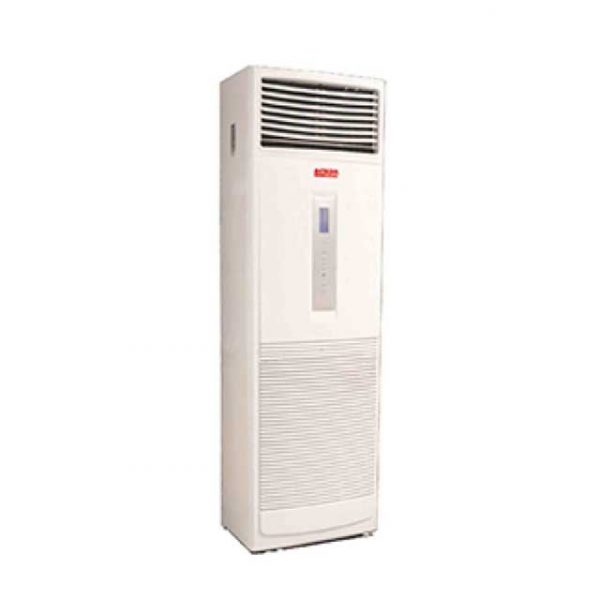
Acson Floor Standing AC 2 Ton AF25CS
 Non-InverterAir Conditioner, Acson Air Conditioners, Acson Floor Standing Air Conditioners, Cooling Appliances, Floor Standing Air Conditioners
Acson Floor Standing AC 2 Ton AF25CS
Specifications of Acson Floor Standing
- Floor standing cabinet
- Cool only
- Stylish design
- Heavy air thrust (suitable for populated places)
- Comfortable airflow
- Auto-restart
- Filters to purify air
- Noise level low
- Malaysian compressor
- Copper condenser AIR CONDITIONER AFS25C
- Compressor type: Rotary
- 24000 BTU Cooling Capacity (2Ton)
- Weight 90 kg
SKU: n/a