
No products in the cart.
Hoods
Showing all 8 results

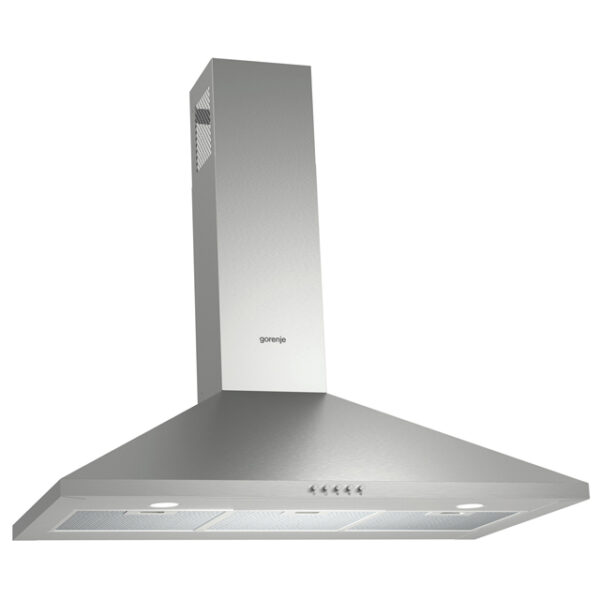
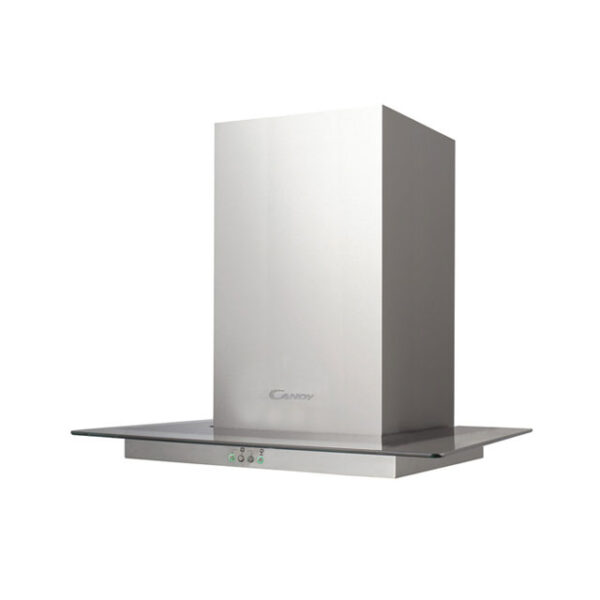
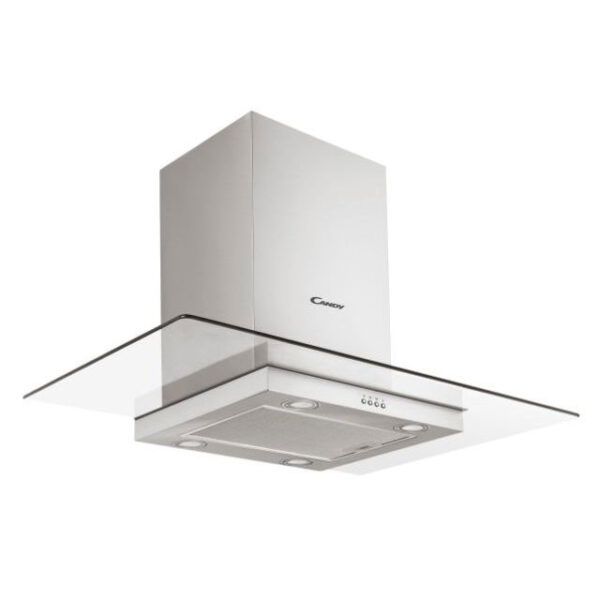
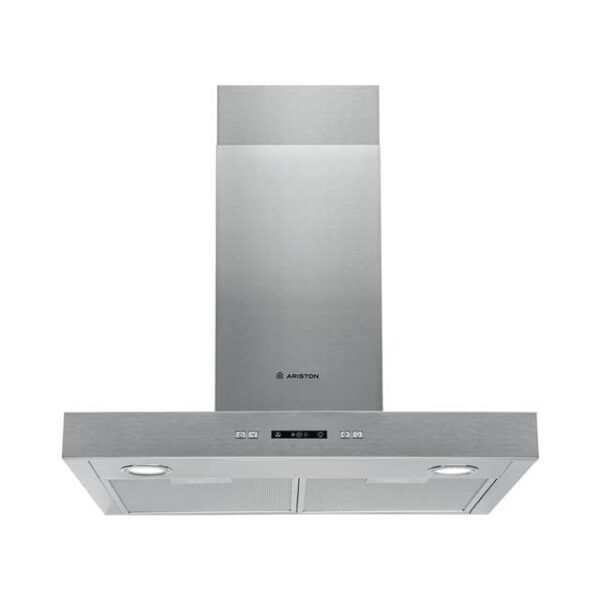
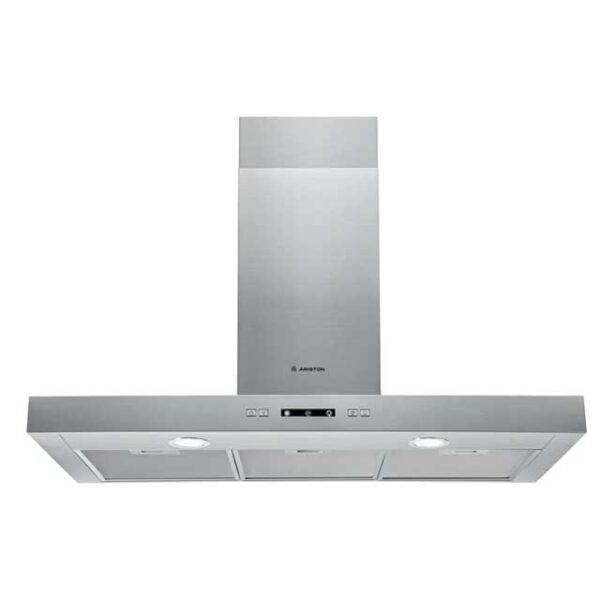
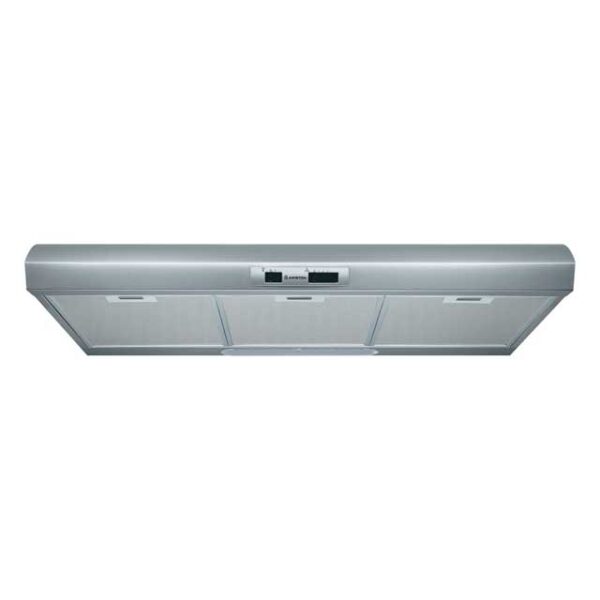

Showing all 8 results
Hoods for Pakistani Kitchens
Why a Hood Matters for Desi Cooking
Pakistani kitchens deal with strong aromas, oil splatter, and steam from frying, tadka, and BBQ-style cooking. A quality kitchen hood helps extract smoke and airborne grease, keeping your cabinets cleaner, tiles less sticky, and indoor air fresher. You’ll notice fewer lingering smells after fish fry or karahi night, and less film on nearby surfaces. Over time, that means easier cleaning, better indoor comfort, and a kitchen that feels welcoming even in open-plan apartments.
What You’ll Find in This Category
Browse a complete range of wall-mounted (chimney), built-in/under-cabinet, island, and ductless (recirculating) hoods. Options include 60 cm and 90 cm widths to match common hob sizes, with features like auto-clean, multi-speed touch controls, bright LED lighting, and low-noise motors. Whether you’re fitting out a compact Karachi apartment or a larger family home, you’ll find styles from stainless steel to designer glass to suit modern modular kitchens.
Quick Picks by Need
Heavy frying: look for higher airflow and baffle-style filters with oil collectors.
Open-plan homes: prioritize low-noise models and wider capture (90 cm) for better coverage.
No duct route? choose ductless hoods with charcoal filters and plan for periodic filter changes.
Minimalist look: built-in/under-cabinet units disappear into cabinetry while keeping performance high.
Shop by Type
Wall-mounted (chimney) hoods
Best when your cooktop is against a wall. These create strong capture with a visible, modern silhouette. Choose 60 cm for compact hobs and 90 cm if you cook with multiple burners or do frequent frying. Many models combine tempered glass with stainless steel for easy cleaning and a designer finish.
Built-in / Under-cabinet hoods
Ideal for minimalist kitchens where you want the ventilation to disappear into the cabinetry line. Despite their compact profile, performance can be excellent when paired with the right airflow and filter setup. This type is popular in apartments and small kitchens where every centimetre counts.
Island hoods
Designed for island cooktops where there’s no wall to help capture smoke. Look for wider canopies and stronger motors, especially in open-plan homes. Proper installation height and stable mounting are essential for both performance and safety.
Ductless (recirculating) hoods
Use charcoal filters to reduce odours when outdoor ducting isn’t possible. They’re practical for rentals and apartments; just remember to clean the grease filter regularly and replace charcoal filters per the brand’s guidance. Running a window or auxiliary fan helps manage moisture during heavy boiling.
Shop by Size
60 cm kitchen hoods
Sixty-centimetre hoods suit most 2–3 burner built-in hobs and compact cooking ranges commonly found in apartments and smaller homes across Pakistan. If your cooktop width is about 55–60 cm, a same-width hood provides adequate capture without overwhelming the cabinet line. For frequent frying or tadka, step up to a model with stronger airflow and a baffle-style filter to manage grease better. Pairing a 60 cm hood with a matching hob keeps the look cohesive and helps installers maintain recommended clearances.
If your kitchen is tight on space or you want a minimalist look, consider a built-in/under-cabinet variant in 60 cm. These integrate into upper cabinetry and leave the focus on your backsplash. When shopping, check the hood’s stated coverage area and recommended mounting height; if your burners sit close to a wall or window, you may benefit from a slightly deeper hood canopy for better smoke capture. Explore matching hobs here: built-in hobs.
90 cm kitchen hoods
Ninety-centimetre hoods are ideal for 4–5 burner cooktops, wider ranges, and open kitchens where smoke can spread quickly. The extra width improves capture efficiency during heavy-duty tasks like deep frying, karahi, and grilling, especially when you’re using multiple burners at once. If your cooktop sits near an open living area, the wider canopy helps reduce odours in adjacent spaces. Many 90 cm models also include stronger motors and larger filters, which can lower maintenance frequency under similar usage.
For best results, match the hood width to—or slightly wider than—your hob. If you entertain frequently or cook for a large family, 90 cm gives you a meaningful comfort upgrade without a big change to the footprint. Consider adding brighter LED lighting for accurate food colour and better visibility when tempering spices. If you’re comparing with a range instead of a hob, see: cooking ranges.
Other widths (fit-by-use)
Some layouts require narrower or specialty sizes—for example, small studio kitchens or island installations. As a rule of thumb, align hood width with the cooktop and allow slight overhang where possible to improve capture. When space is constrained, prioritize airflow and filter quality over cosmetics; a compact but efficient hood is better than a large but weak unit. For a cohesive setup, you can explore related categories like kitchen appliances to complete your build.
Key Features (Buy Smarter)
Suction & airflow (CFM)
Higher airflow helps clear smoke and oil mist from pakora, fish fry, and BBQ-style cooking. Look for a motor that balances power with noise; more isn’t always better if your duct route is short and straight. In general, open kitchens and frequent frying benefit from higher airflow, while compact, enclosed kitchens can choose a moderate rating. Always pair airflow with proper ducting or high-quality charcoal filters if you’ll run ductless.
Filters & grease management
Baffle filters excel at trapping grease droplets from oil-rich cooking and are easy to wash. Mesh filters can work well for lighter use but may clog faster with heavy frying. An oil collector tray simplifies maintenance—empty and wipe it during your weekly kitchen clean. Set a reminder to check filters monthly in high-use kitchens; clean, dry, and refit for consistent performance.
Auto-clean technology
Auto-clean hoods use heat or centrifugal force to dislodge grease into a collector cup, cutting down on deep cleaning. This is useful for homes that fry often, though routine wipe-downs and periodic filter care are still required. If you prefer low-maintenance ownership, auto-clean can be worth the premium over time. Confirm how the model performs its cycle and whether it needs a dedicated oil cup replacement.
Noise levels
Quieter hoods make open-plan living more comfortable, especially when guests are nearby. Compare stated noise levels across speed settings and remember that installation affects sound—tight bends and long ducts can increase turbulence. Use the lowest effective speed for simmering and reserve max speed for searing or deep frying. If noise is a top priority, shortlist models marketed as low-noise and pair them with a wider canopy for efficiency.
Materials & finish
Stainless steel is durable and easy to clean; tempered glass adds a designer look that pairs well with modern cabinetry. Use non-abrasive cleaners to avoid scratches and clouding. Check that the hood’s finish complements nearby appliances like your built-in oven for a cohesive look. Thoughtful material choices can keep the kitchen looking fresh even with heavy daily use.
Controls & lighting
Touch or gesture controls keep surfaces smudge-light and are easy to wipe after cooking. Multiple speed steps let you match suction to the task, while LED lighting improves visibility for colour-critical cooking like browning onions or checking breading. Timers and auto-off modes are handy when you want extraction to continue briefly after cooking. For matching built-ins, see: built-in ovens.
Ducted vs Ductless (What’s Practical in Pakistan)
When ducting is feasible
If you can route a duct outdoors, a ducted hood delivers the strongest smoke and odour removal—ideal for tadka, deep frying, and grilling. During planning, keep the run as straight and as short as your layout allows, and avoid sharp bends that reduce airflow. Use the duct diameter recommended in the product manual and ensure the external vent cap is weather-protected. Proper sealing also helps keep pests and outside dust from entering the kitchen.
When ductless wins
In apartments or rentals without a vent route, a ductless (recirculating) hood with charcoal filters is a practical choice. It captures grease and reduces odours, while recirculating cleaned air back into the room. You’ll still need regular maintenance: clean the grease filter frequently and replace charcoal filters as recommended by the brand. Note that ductless systems do not expel moisture, so open a window or run a fan during heavy boiling to manage humidity—especially in monsoon season.
Real-world examples
Karachi apartment with no shaft: pick a ductless model with easy-to-source charcoal filters; set reminders for filter changes.
Lahore home renovation: plan a duct route early with minimal bends and an outdoor vent; choose a higher-airflow hood for heavy frying days.
Islamabad open kitchen: wider canopy plus low-noise motor to keep living areas comfortable during cooking.
Installation Guidance (Safety & Performance)
Measure, match, mount
Match hood width to your cooktop (or go slightly wider) and follow the manufacturer’s recommended clearance above the burners for safe, effective capture. Before drilling, check cabinet depths and door swing so the hood canopy doesn’t interfere with storage. Mark the stud or solid fixing point for secure mounting, and confirm the duct exit location (if any) before you cut.
Power & wiring
Ensure a properly earthed outlet and adequate amperage on the circuit where the hood will connect. Keep cables clear of heat sources, and avoid using multi-plug adapters for permanent connection. For peace of mind, have a qualified technician handle wiring and final tests.
Care after installation
Run the hood on medium for a few minutes the first time to clear any manufacturing residues. Check for vibration or rattling and re-tighten fittings if needed. In high-use homes, inspect filters after the first month to establish your cleaning rhythm, then set a calendar reminder that matches your cooking frequency.
Price & Value Guide (What Affects Cost)
The big levers
Price typically varies by width (60 vs 90 cm), airflow/motor quality, noise control, filter type (baffle/mesh + oil collector), auto-clean technology, materials (stainless steel, tempered glass), controls (touch/gesture), and brand support. Installation complexity and ducting hardware can also affect total project cost.
Feature trade-offs
If you fry often, investing in higher airflow and better grease handling will feel like a daily upgrade. For open-plan layouts, prioritise low-noise motors and a wider canopy. If you want hands-off upkeep, auto-clean may be worth the premium; if you cook light and infrequently, a simpler model can deliver great value.
Check live pricing
Because appliance prices can change with availability and currency, always confirm current offers on our category page before purchasing: Hoods at Yasir Electronics. You’ll see the latest models, specs, and any seasonal promotions.
Best-Fit Picks for Pakistani Kitchens
Heavy frying households
Choose higher airflow with baffle filters and an oil collector to handle daily frying of pakoras, samosas, and fish. Auto-clean can reduce the time you spend on deep cleaning; just keep up with routine wipe-downs. A 90 cm canopy offers better edge capture when you’re using multiple burners.
Open-plan apartments
Prioritise low-noise motors and a wider canopy to keep living areas comfortable. If you can’t run a duct, select a ductless model with reliable charcoal filters and plan for timely replacements. Use medium speed for simmering to keep sound levels unobtrusive during family time.
Small kitchens
A 60 cm built-in or under-cabinet hood keeps sight-lines clean without sacrificing performance. Focus on strong filtration and sufficient airflow rather than purely cosmetic features. When space is tight, ensure the hood’s depth suits your cabinetry so doors open freely.
FAQs
If you can route outdoors, ducted extraction removes smoke and moisture most effectively. In rentals or apartments without a vent path, ductless with charcoal filters is a practical alternative that reduces odours. Maintenance frequency is higher on ductless systems.
Match hood width to the cooktop and allow a slight overhang when possible. Two to three burner hobs typically pair with 60 cm; four to five burners benefit from 90 cm for better capture, especially during heavy frying.
For frequent frying, yes—it can reduce deep-cleaning effort by collecting liquefied grease in a cup. You’ll still need periodic filter care and basic wipe-downs to keep performance consistent.
Noise varies by model and speed. Reduce turbulence by keeping ducts short with minimal bends, and use the lowest effective speed for light cooking. Wider canopies can also help you run at lower speeds.
Charcoal filters reduce odours significantly, but performance depends on timely filter changes and good grease filtration. For the strongest odour control, a ducted system is preferable.
In heavy-use homes, check grease filters monthly and wash as needed. Charcoal filters in ductless models typically need replacement per the brand’s schedule—set reminders so odour control stays effective.
Installation availability varies by brand and model. Please contact our store team to confirm service options and timelines before purchase.