
No products in the cart.
Midea Cassette Air Conditioner
Showing all 2 results
- Cassette Air Conditioners, Cooling Appliances, Midea Cassette Air Conditioner
Midea Cassette 4 Ton INV MCD1-48HRN1
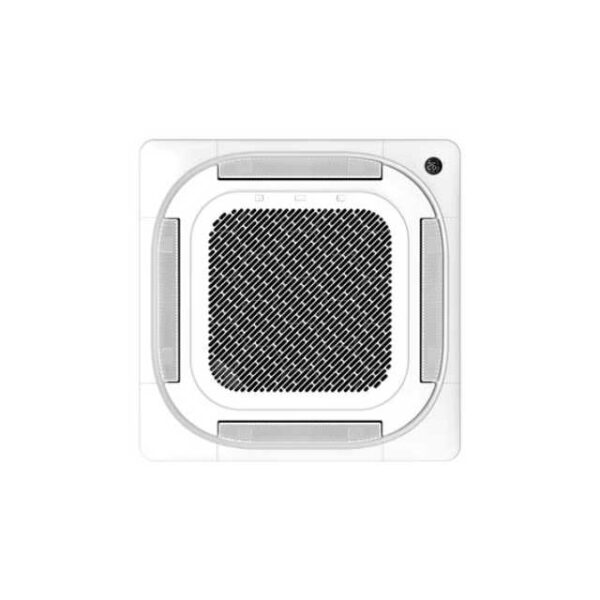 InverterCassette Air Conditioners, Cooling Appliances, Midea Cassette Air Conditioner
Midea Cassette 4 Ton INV MCD1-48HRN1
0 out of 5(0)- Independent Vane Control
- Super Lim Design
- Built-in Drain Pump
- Technology: Inverter air conditioner
- Energy Class: А++/A+++
- Cooling SEER: 6.1
- Heating SCOP: 5.1
- Capacity: 24 000 Btu
- 360° Air Flow Panel
- Wired Controller
- Low Ambient Cooling
- Self-diagnosis and Auto-protection
- Turbo Mode
- Refrigerant Leakage Detect
SKU: n/a - Cassette Air Conditioners, Cooling Appliances, Midea Cassette Air Conditioner
Midea Cassette INV 2 Ton MCD1-24HRDN1
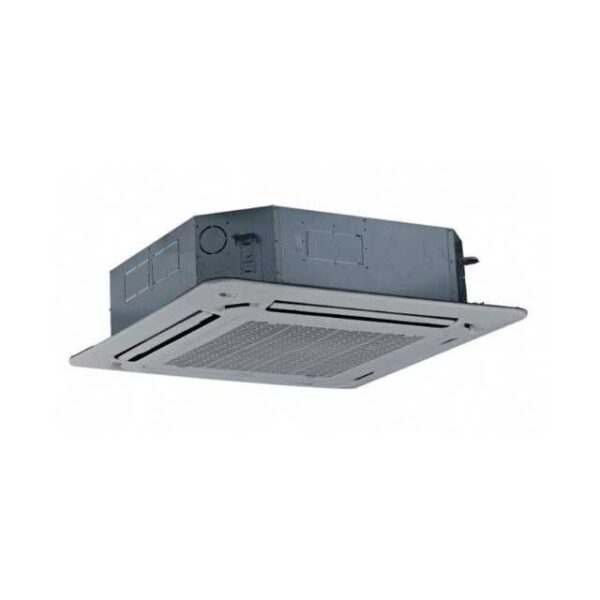 InverterCassette Air Conditioners, Cooling Appliances, Midea Cassette Air Conditioner
Midea Cassette INV 2 Ton MCD1-24HRDN1
0 out of 5(0)- 20% Increased Airflow
- 5% More Energy Efficiency
- Full DC Inverter Technology
- Official Warranty
- Units are subject to availability
SKU: n/a
Showing all 2 results
Midea Cassette Air Conditioner (Pakistan)
Quick Overview
Midea cassette air conditioners mount flush inside a false ceiling, delivering powerful cooling (and heating on selected models) without taking wall space. For Pakistan’s offices, clinics, restaurants, showrooms, and classrooms, the ceiling cassette format keeps interiors neat while pushing air evenly across the room. Compared with wall-mounted splits, a Midea cassette AC distributes air from the center of the space, reducing hot spots and improving comfort for larger, busier rooms.
Key benefits you can expect include DC inverter efficiency for lower electricity bills over long Karachi summers, wide air throw from 4-way or 360° panels for uniform comfort, and quiet operation suitable for meeting rooms and customer-facing areas. Heat-and-cool variants make year-round operation practical (handy for coastal nights and Punjab winters). If you’re upgrading a commercial fit-out or planning a new site, a Midea ceiling cassette AC offers a clean look plus pro-grade performance for continuous use.
How to Choose the Right Midea Cassette AC
Sizing by Room Area & Ceiling Height
Select capacity by considering floor area, ceiling height, occupancy, glazing, and equipment heat. As simple guidance: cellular offices and clinics with standard ceilings often suit lower capacities (e.g., 1.5–2.0 ton per zone), while open areas like retail floors and cafés may need higher capacities or multiple cassettes for even coverage. If the ceiling is higher than standard or the plan is open with heavy lighting, step up capacity or add units to avoid under-cooling. Always validate via a site survey and heat-load assessment before purchase.
Power & Phase Selection (Single vs 3-Phase)
Smaller capacities typically run on single-phase, which is common in many shops and clinics. Larger capacities and extra-large rooms (e.g., big halls or showrooms) often use three-phase supply for efficient, stable operation and lower current per phase. For bigger cassettes in commercial buildings, 3-phase is standard practice—ask your electrician or building management which supply you have before finalizing a model.
Inverter, Heating & Refrigerant Considerations
DC inverter cassettes modulate compressor speed to match the load, which reduces power spikes and helps keep monthly bills in check during long Karachi summers or peak-hours in malls and offices. For sites that see winter operation (Punjab or coastal night cooling), a heat & cool variant gives year-round comfort without separate heating equipment. Many larger-space specifications combine inverter + heat & cool + 360° diffusion, which suits halls and open-plan floors.
On refrigerant, many Midea cassette models are supplied with R410A; availability can vary by batch or model year, so confirm on quotation and nameplate before ordering accessories. If your building has stricter sustainability requirements, discuss current refrigerant options with our team at quotation stage.
Price Guidance in Pakistan—What Affects Cost
Final pricing depends on several practical factors beyond just “tonnage.” Use the checklist below to budget accurately, then call/WhatsApp 0321 2222391 for today’s quote and stock confirmation.
- Capacity & phase: Larger capacities (e.g., 4-ton) and 3-phase units typically cost more up front but are standard for big commercial rooms, improving electrical stability.
- Inverter & heat: DC inverter and heat-and-cool panels add value (comfort + lower operating cost vs fixed-speed) and can change unit price.
- Air panel choice: Standard 4-way vs 360° panel for round diffusion; premium panels add to cost but improve comfort in open areas.
- Install scope: Lineset length, false-ceiling cut-out, condensate pump, scaffolding/core drilling, and outdoor placement can affect installation charges.
- Electrical readiness: Dedicated MCB, cabling/gauge, earthing, and any 1-phase to 3-phase considerations.
- FX & duties: Import cycle, currency fluctuations, and duties/taxes influence landed cost—quotes are time-sensitive.
Tip: share your floor plan (area, ceiling height), occupancy, and any glass frontage. You’ll get a fit-for-purpose spec instead of generic upsizing.
Installation & Site Readiness
Before We Install
Check your false ceiling first: confirm the cassette cut-out size, grid strength to bear indoor unit weight, and at least 300–450 mm of plenum depth for the body and drain gradient. Plan a clear copper line route from the cassette to the outdoor unit that avoids tight bends, long detours, and hot shafts; shorter, straighter runs improve efficiency and keep install costs predictable. Make sure the condensate drain has a continuous downward slope or allow space for a lift pump where gravity falls aren’t possible. Provide a dedicated electrical circuit with an appropriately rated MCB/isolator near the indoor or outdoor unit and ensure proper earthing—especially important in Karachi’s older commercial buildings. Finally, identify a weather-safe outdoor location with free airflow, service access, and a vibration-isolated base that doesn’t blow hot exhaust onto pedestrian areas or neighboring shops.
Access is half the job. Ensure we can safely bring the indoor unit up ladders or scaffolding and that ceiling tiles around the cut-out are removable without damaging décor. If your space is trading during installation (restaurants, clinics), pick an off-peak window and clear the area beneath the cassette to protect furniture and electronics. Share any site constraints—glass façades, sensitive ceilings, or heritage finishes—so the team can pre-stage protective sheeting, core-drilling permissions, and dust management. Good prep keeps installation time tight and reduces follow-up visits for leaks, noise, or airflow imbalance.
What’s Typically Included vs Excluded
A standard cassette install usually covers mounting the indoor unit in the prepared cut-out, setting the outdoor unit on a ground stand or wall bracket, running a reasonable length of copper pipe and control cable, vacuuming the lines, basic insulation, and commissioning tests for cooling/heating and condensate discharge. The crew also levels the cassette, checks swing and louver operation, sets default thermistor and fan settings, and walks you through the remote or wall controller basics. Where feasible, we balance louvers to minimize drafts over workstations or dining tables.
Extras are quoted separately to keep pricing transparent: long linesets beyond standard, core drilling through concrete, scaffolding or boom-lift access, lift pumps for drains, ceiling reinforcement, electrical upgrades (new circuits, phase changes, upsized cabling), and anti-corrosion coatings for coastal sites. Decorative 360° round panels, fresh-air integration, or BMS/thermostat accessories also fall outside a basic scope. If you’re comparing quotes, ask vendors to itemize these so you don’t get surprised mid-project.
After-Sales & Warranty Basics
Stick to routine care to preserve warranty and comfort. Clean or replace filters regularly (monthly in dusty streets or high-footfall cafés; quarterly in low-dust offices). Keep return and supply paths unobstructed—ceiling décor or banners that block a louver will create hot spots and noise. A professional service should include coil cleaning, drain flushing, leak checks, and electrical tightening; in coastal Karachi, consider an extra service before peak summer to catch early corrosion or insulation damage.
Most warranties cover manufacturing faults but not misuse, improper wiring, voltage abuse, or unapproved alterations. Use a voltage-appropriate supply, maintain good earthing, and don’t relocate units without qualified technicians. If you plan to run on generator or solar, share specs with us so we can confirm starting currents, phase compatibility, and surge protection that won’t void coverage.
Airflow Patterns: 4-Way vs 360°
4-way cassette panels push air in four directions and work well in rectangular rooms where you can aim louvers along the long axis to sweep the space. They’re ideal for conference rooms and cellular offices where you want predictable throw and minimal draft over specific desks. Placement tips: center the unit, keep at least 1 m from walls to avoid short-cycling, and angle louvers to skim ceilings for a Coandă effect that spreads air gently before it descends.
360° round panels diffuse air evenly in all directions, reducing dead zones in open-plan floors, retail halls, and dining areas. They’re especially handy when furniture layouts change often or when you can’t predict occupancy pockets. Expect a smoother “wash” of air and fewer complaints about cold drafts; just ensure return-air paths remain clear and that ceiling features (lights, bulkheads) don’t disrupt circular diffusion. If you’re unsure which panel suits your site, share a floor plan and ceiling photos—we’ll simulate basic airflow to guide the choice.
Built for Local Conditions
Karachi’s coastal air and Pakistan’s dusty streets can be tough on HVAC coils and cabinetry. Where available, coated heat exchangers (“golden fin”-type anti-corrosion finishes) help resist salt air and moisture, extending service life. For sea-facing locations or rooftops exposed to wind-blown dust, pair coating with regular coil rinsing and a protective top cover for the outdoor unit.
Voltage fluctuation is a reality in many buildings. Inverter-driven cassettes handle variable loads gracefully, but they still need clean, stable supply. Use the right cable gauge, a dedicated MCB/isolator, and quality surge protection or voltage regulation if your site sees frequent dips. If you plan to run on a generator, confirm kVA ratings against starting current and whether the unit is single- or three-phase. For solar/UPS, ensure inverter compatibility, available surge headroom, and proper earthing to avoid nuisance trips and warranty issues.
Commercial Use Cases
Offices
Use one cassette per zone to fine-tune comfort and reduce energy waste in areas that sit empty. Keep units away from projector screens and position thermostats away from direct supply air. For conference rooms, prioritize quiet operation and consider 4-way panels that can be aimed along table edges to reduce drafts on attendees.
Restaurants & Cafés
Kitchens dump heat into dining areas. Combine a cassette with good extraction and a clear return path to prevent hot stratification. 360° panels help equalize temperature across varied seating layouts, and washable filters ease maintenance when airborne grease is present. Schedule service outside trading hours to minimize disruption.
Clinics & Retail
Clean aesthetics matter. Flush-mounted cassettes keep ceilings tidy and signage unobstructed. For pharmacies and clinics, maintain comfortable temperatures in waiting zones and use gentle airflow to avoid cold blasts on patients. In retail aisles, center units to minimize dead spots and don’t block louvers with pendant lights or bulkheads.
Shop Midea Cassette ACs at Yasir Electronics
Visit us at Hashoo Centre, Shop 61, Abdullah Haroon Road Saddar, Karachi or call/WhatsApp 0321 2222391 for sizing help, stock, and a same-day quotation. We help with on-site surveys, electrical guidance, and installation through trusted teams.
Explore related categories to compare models and formats:
FAQs
Wall splits are great for small to medium rooms. For larger or busier spaces—open-plan offices, retail floors, dining areas—a ceiling cassette distributes air from the center, reducing hot spots. If your room is above ~300–400 sq ft or has high ceilings, a cassette (or multiple smaller ones per zone) is often the better pick.
Yes, many lower capacities work on single-phase and suit shops or clinics. Three-phase is typical for higher capacities (e.g., ~4-ton) and for buildings that already distribute loads across phases. Check your supply with building management or your electrician before finalizing a model.
4-way panels direct air in four set directions—great for rectangular rooms and targeted throw. 360° round panels diffuse air in all directions for a smoother wash, ideal for open areas with flexible layouts. Your floor plan and ceiling features determine the best choice.
Plan filter cleaning monthly in dusty or high-footfall sites, quarterly in low-dust offices. Schedule professional servicing at least twice a year—pre-summer and post-monsoon—to flush drains, clean coils, and check for corrosion or insulation wear.
Yes, with proper sizing and wiring. Verify generator kVA against starting currents and confirm single- vs three-phase compatibility. For solar/UPS, check inverter capacity, surge headroom, and earthing. Share specs with us and we’ll advise the right setup.