
No products in the cart.
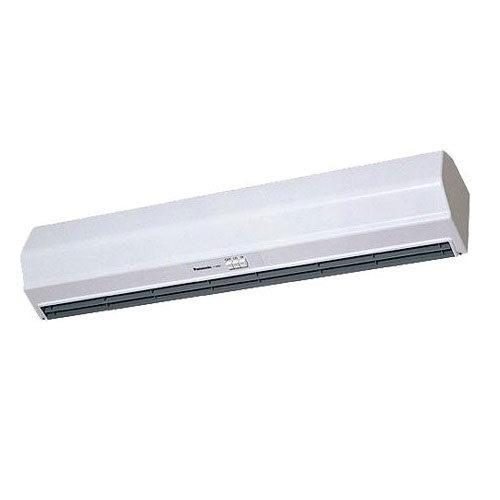
Panasonic Air Curtain
Showing all 4 results
Showing all 4 results
Panasonic Air Curtain — Shop 4ft, 5ft & 6ft in Pakistan
Why choose Panasonic air curtains for Pakistani entrances?
Comfort, hygiene & dust control in local conditions
Pakistan’s busiest storefronts fight three things at once: heat, dust and insects. A Panasonic air curtain creates a steady, high-velocity “air barrier” that helps keep cooled air in and hot outdoor air, dust and flies out—especially useful during Karachi’s coastal summers or Lahore’s dusty seasons. By limiting temperature mixing at the doorway, your AC works more efficiently and customers feel the difference the moment the door opens.
For high-footfall shops, clinics and salons, this barrier effect also helps reduce odours drifting between areas and supports basic hygiene by limiting airborne particles at the entrance. The result is a more comfortable, cleaner environment without blocking visibility or access.
Where they shine (shops, restaurants, clinics & more)
Panasonic air curtains are a natural fit for retail shutters and glass storefronts, café/restaurant entrances, clinics and labs, bakeries, bank lobbies and even cold-room vestibules. If your door opens frequently, the unit pays for itself in comfort and AC load support. For service counters or kitchens open to the dining area, an air curtain helps keep smells where they belong while maintaining a welcoming doorway.
Because the unit mounts above the door, it doesn’t change your façade or block signage. The slim body and two-speed operation suit both compact boutiques and wider commercial shutters.
“Invisible air door” explained
Think of the air curtain as an invisible door made of air. It’s not meant to chill a space; it’s meant to separate two environments so your existing AC doesn’t have to fight every time the door opens. Run high speed at peak hours when the door is in constant use; switch to low speed during quieter periods to maintain the seal while saving energy.
Models & sizes — 4ft / 5ft / 6ft (how to select the right width)
Door width & height checklist
Match the air curtain width to the clear opening of your door: 4ft for compact doors, 5ft for standard shopfronts and 6ft for wider shutters. If your opening exceeds a single unit’s width, two units can be placed side-by-side to span the full entrance. Mount the unit level, centred over the doorway, and keep enough clearance from the ceiling to avoid recirculation.
Door height matters too. The higher the mounting height, the stronger the airflow required to reach the floor and maintain the barrier. Most retail installations fall within common mounting heights, but very tall industrial doors may require different ranges—ask for a site check if in doubt.
Airflow & performance basics
Airflow is typically listed in m³/h and offers two speeds. Use the higher setting when doors are propped open or during rush hours with frequent swings. The goal is uniform coverage across the full width of the opening so the jet reaches the floor without gaps. Avoid undersizing (weak seal) or oversizing (unnecessary noise/consumption) by matching width and typical door activity.
If your entrance faces strong outdoor winds, a slightly higher-capacity model or adding a wind-break (like a vestibule) can improve performance. For restaurants, placing the unit slightly forward of the door line can better “catch” drafts when the door opens.
Noise & power expectations
Modern units are engineered for commercial interiors, so noise is designed to be comfortable for checkout counters and reception desks. Expect a low hum on low speed and a noticeable but manageable whoosh on high. Keep the unit rigidly fixed with proper anchors to prevent vibration noise, and plan a dedicated electrical point to avoid overloaded circuits.
Routine cleaning of the intake grille keeps airflow steady and noise down. If the door sits under a canopy or signage box, ensure the discharge isn’t blocked—unobstructed throw maintains the “seal” and reduces the need for higher fan speeds.
(Not applicable—some sub-bullets from the full outline were condensed here to avoid fluff while keeping practical guidance.)
Smart options & add-ons
Air curtain with door sensor (automatic for glass/frameless doors)
A door sensor lets the unit switch on automatically when the door opens and drop to standby when it closes—perfect for glass storefronts and frameless entrances where staff can’t reach a wall switch every time. This reduces wasted run-time, keeps the “invisible air door” active only when needed, and makes compliance easy for busy counters. For aluminium or wooden frames, magnetic or micro-switch sensors are common; for frameless glass, opt for discreet overhead sensors that don’t spoil the façade.
In high-traffic Pakistani shops where doors swing all day, automation preserves comfort without constant manual control. Restaurants and bakeries also benefit because the seal ramps up exactly when odours and heat try to escape through the doorway.
Remote / wall controller
Most sites prefer a simple wall controller or handheld remote to change fan speed between “High” at peak hours and “Low” during calmer periods. This quick toggle helps tune noise and airflow to the moment, rather than leaving the unit locked on one setting. If you have multiple entrances, label controllers clearly so staff can adjust without guesswork.
For glass-door aesthetics, mount the wall controller just inside the side wall, keeping the wire run neat and away from display shelving. Train staff to switch to “High” when doors are propped open or when outdoor winds are noticeable.
Energy-saving settings (with AC)
The air curtain does not cool the room; it protects the conditioned air you already paid to cool. Pair “High” speed with peak footfall and summer afternoons, then drop to “Low” after rush hours to cut power draw while maintaining the seal. Where AC short-cycles due to door use, a correctly set air curtain can stabilise room temperature and reduce compressor strain.
Quick tips: keep the discharge unobstructed by signboards, clean the intake grille monthly in dusty areas, and verify the jet reaches the floor across the full width—these three habits preserve performance and avoid running the fan harder than necessary.
Prices in Pakistan — what affects your quote
Key price drivers (4ft / 5ft / 6ft)
Final pricing varies by unit width (4ft, 5ft, 6ft), airflow class, sensor/remote package, installation complexity (glass brackets, tall mounts), stock status, and current import cycle/duties. Karachi installs may be simpler to coordinate; up-country deliveries add freight and lead time. Because these factors shift with currency and shipment batches, we provide live quotes rather than static tags.
- Shops & cafés: often 4–5ft, sensor recommended for automatic operation.
- Wider shutters: 6ft or twin units to span the opening.
- Clinics/salons: quieter settings and neat wiring for reception areas.
How to get an exact price
Share the clear door width, approximate height, door/frame type (glass/wood/metal) and whether you want a sensor or remote. We’ll confirm the suitable Panasonic model, availability and the best current price, then schedule installation in Karachi or ship nationwide with guidance for your electrician.
Installation & after-sales (Karachi focus, ship nationwide)
Mounting on glass, wood, and metal frames
For solid lintels (brick/concrete/steel), the unit fixes with expansion anchors and a level mounting plate. On metal shop shutters or wooden frames, use appropriate self-tapping screws or through-bolts with backing plates to avoid vibration. For frameless glass doors, ask for glass-compatible brackets that pick up the ceiling/sidewall—not the glass itself—so the load transfers safely and the discharge line stays centred over the doorway.
Keep a straight, unobstructed discharge path. Leave clearance above the intake so the unit doesn’t recirculate its own jet. If signage or a canopy sits close to the outlet, add a slim spacer to drop the unit enough for a clean throw to the floor.
Electrical & safety
Provide a dedicated circuit with an accessible isolator. Many sites wire the unit via a fused spur or breaker next to the door; for sensor-controlled setups, route low-voltage/control wiring neatly to the controller. Always earth the chassis and test after mounting. Where dust and flour are common (bakeries, kitchens), avoid running exposed wiring across the façade—use conduit and seal penetrations to keep insects and dust out.
After installation, test both speeds and confirm the air stream meets the floor along the full width. If the door faces wind, angle the louvre slightly outward so the jet “meets” the draft, improving the seal during gusts.
Maintenance & service
Monthly: vacuum the intake grille; wipe the outlet lip. Quarterly: check mounting fasteners for tightness and re-level if needed. Annually: electrical safety check and controller test. In coastal Karachi, salt-laden air can accelerate corrosion—wipe the casing periodically and keep the façade area clean to maintain appearance and airflow.
Energy saving with AC — practical tips
Reduce conditioned air loss
Set the unit to “High” whenever doors are propped open or traffic is continuous, then drop to “Low” during off-peak hours. This cuts the volume of cooled air escaping and reduces the number of AC compressor starts caused by temperature swings at the entrance.
AC load synergy (simple checklist)
Place the AC thermostat away from the entrance to avoid false readings; keep display freezers or heat sources away from the doorway; and ensure the air curtain’s jet reaches the floor—an incomplete seal forces the AC to work harder. If you operate multiple doors, prioritize air curtains on the busiest one first for the fastest comfort gain.
Quick ROI thought-starter
Track one week with the unit off vs. on: note door-open hours, indoor temperature stability, and AC cycle frequency. While exact savings vary by tariff and usage, stabilizing the entrance typically improves comfort immediately and supports lower energy waste during peak afternoons.
Who is it for? Quick pick by entrance type
Retail shutters & glass storefronts
For standard shopfronts, a 5ft unit usually aligns well with door width and keeps display areas comfortable when footfall spikes. If you run extended hours on M.A. Jinnah Road or Saddar, pair the unit with a reliable AC and a simple door sensor so staff don’t have to micromanage controls.
Wide roller shutters often benefit from a 6ft air curtain or two units side‑by‑side to span the opening. Keep the discharge clear of signboards and ensure compliant wiring so reception areas remain quiet and tidy.
Restaurant & café entrances
Busy restaurants in Karachi, Lahore, and Islamabad face odour drift and heat ingress at peak times. A correctly sized air curtain helps retain cooled air and keeps kitchen smells from leaking through the main door. Opt for sensor-triggered operation and train staff to use “High” when the door is frequently open.
For cafés with frameless glass doors, ask for ceiling/sidewall brackets to avoid loading the glass. Consider locating the wall controller near the POS so shifts can toggle speeds quickly without leaving the counter.
Clinics, labs & salons
Reception desks need a quiet background with clean airflow. Choose models whose airflow can be run on “Low” most of the day, reserving “High” for busy periods. Proper mounting and neat cable routes are essential for professional presentation.
Where hygiene separation matters, ensure the jet reaches the floor across the entire width. If the entrance is unusually tall, request a site check before purchase to confirm mounting height and model selection.
FAQs
Prices vary with size, airflow class, sensor/remote options, and current import cycle. For today’s best price, share your door width, height and frame type and we’ll quote accordingly. You can also view the category page here: Panasonic Air Curtain.
Yes—use glass-friendly brackets that fix to the ceiling or side walls. Add a discreet overhead sensor so the unit starts automatically on door movement.
On “Low” you’ll hear a soft hum suitable for reception counters; on “High” a stronger airflow “whoosh” is normal during peak hours. Rigid mounting and clean grilles minimise extra noise.
Provide a dedicated circuit and earth the chassis. Keep wiring neat, use conduit where exposed, and place the controller where staff can reach it. Your electrician can coordinate with our team for any site specifics.
Yes—warranty terms apply per unit and channel at purchase. We provide guidance, installation support in Karachi, and shipping nationwide with coordination for your installer.
Yes—delivery is nationwide, with Karachi-based installation coordination. For browsing more options, start with the general Air Curtain category or explore Panasonic Air Conditioners for cooling synergy.