Bottom Load Water Dispenser in Pakistan — Shop Trusted Models at Yasir Electronics
If you’re tired of lifting heavy bottles or hiding top-load dispensers in a corner, a bottom load water dispenser gives you clean drinking water with a smarter, safer design. At Yasir Electronics in Karachi, we stock bottom-loading units for homes, offices, clinics, and reception areas—ranging from compact two-tap models to hot, cold, and room-temperature 3-tap variants, plus options with a small fridge or storage cabinet. Browse by use case below and compare essentials like noise, energy efficiency, and safety locks to pick the right fit for your space in Pakistan.
Shop by Need (Quick Guide)
For Home Use
Pick a compact, low-noise dispenser that won’t dominate a Karachi apartment kitchen. Prioritise a reliable hot-tap child lock, a tidy front panel, and an easy-to-clean drip tray. If you entertain frequently, aim for models with faster cold-water recovery so chilled water keeps up during family gatherings.
For Office Use
Look for higher litre-per-hour cold output, 3-tap convenience (hot/cold/room), and a sturdier form factor. A bottom loading water dispenser with a fridge can store milk, tea bags, or small snacks for staff areas. Low operational noise is helpful for open-plan offices and meeting rooms.
Energy-Efficient Picks
Shortlist models that advertise eco/sleep modes, efficient compressor design, and good insulation around the hot tank. Over Karachi’s long summers, these details help trim electricity bills without compromising chilled-water availability.
With Fridge vs With Cabinet
A bottom loading water dispenser with fridge suits staff pantries and clinics where you’ll keep milk or light refreshments. A cabinet model is usually more affordable and great for storing cups and sachets. If floor space is tight, compare depth and door-swing clearance before you decide.
Why Choose a Bottom Load Water Dispenser?
Easier, Safer Bottle Changes
With the bottle resting in a concealed lower compartment, you avoid lifting heavy 19L bottles above shoulder height. This reduces spill risk and makes refills easier for seniors, reception staff, and anyone managing multiple changes in a day. The centred weight and lower profile also improve stability on tile floors common in Karachi homes and offices.
Because the bottle is enclosed, the unit looks cleaner in living rooms and reception areas. The closed cabinet also helps protect the bottle from dust, sunlight, and accidental knocks in busy corridors.
Clean Look for Front-of-House Spaces
Bottom-load models keep the bottle out of sight, so the dispenser blends into modern kitchens and waiting rooms. Sleek doors, minimal seams, and neutral colours fit well with appliances from refrigerators to microwaves. If you’re placing a dispenser where clients or guests visit—Saddar showrooms, Clifton clinics, or DHA offices—the neat silhouette makes a noticeable difference.
For homes, the concealed bottle means fewer visual distractions and easier housekeeping. You’ll also find it simpler to wipe down flat, uninterrupted surfaces than to clean around an exposed bottle neck and cap.
Fewer Spills, Fewer Interruptions
Instead of tipping a full bottle into a spike, you slide the bottle in and connect a tube. This cuts down on splashes and “missed” placements that can happen with top-loaders. Many bottom-load designs also provide clearer alerts for empty bottles or heating/cooling status, reducing guesswork and downtime, especially in small offices or clinics with steady footfall.
Start Your Comparison the Smart Way
Capacity & Performance (Cold/Hot Output)
Before you look at finishes or door style, check cold-water output (litres per hour) and recovery time. A household that runs through chilled water after school may be content with moderate output, while a 10–15 person office will appreciate higher L/h and a larger cold tank for fewer pauses. On the hot side, verify that the unit meets your tea/instant-coffee routine without lagging during back-to-back mugs.
If your dispenser will sit near a sunny window or in a warm pantry, lean toward models with better insulation and robust compressors; Karachi’s ambient temperatures can raise load on cooling systems. Placement also matters: allow some rear/side ventilation so the compressor can breathe and maintain performance.
2-Tap vs 3-Tap (Hot / Cold / Room)
A 3-tap bottom load water dispenser adds room-temperature water for medicines, baby formula prep, and quick rinses. Offices benefit because not everyone wants hot or cold in every cup. For small households where counter space is tight, a 2-tap may suffice—just confirm hot-tap safety features and that cold output matches your daily pattern.
Tap ergonomics matter more than people expect. Look for comfortable lever action, adequate cup clearance, and drip-tray depth that won’t overflow during peak use. If you refill bottles or tall flasks, measure the spout-to-tray height before buying.
Buyer’s Checklist — Key Features to Compare Before You Buy
Cooling Technology & Energy Efficiency
The heart of a dispenser is the cooling system. Look for solid compressor construction, good condenser ventilation, and insulation around the cold tank so the machine doesn’t overwork during Karachi’s long summers. Many models include eco or sleep modes that dim indicators and reduce cycling at night; these can shave a noticeable amount off monthly electricity use when the unit sits in an always-on pantry or office corner. If the product page lists standby consumption, compare those numbers across models—lower is better for round-the-clock operation.
Ambient temperature matters. A dispenser placed beside an oven, in direct sun, or tight against a wall will run hotter and louder, consuming more power to deliver the same cold litres per hour. Plan a little breathing room at the back and sides so heat can escape. If your office has central air that’s switched off after hours, an eco mode or programmable timer can reduce overnight cycling without compromising next-morning chill.
Noise Levels (and Placement Tips)
Noise isn’t just about the compressor; cabinet resonance and floor material amplify sound. Tile floors common in Pakistani apartments can reflect vibration, so a simple anti-vibration mat under the base can make a big difference. If silence is a priority for meeting rooms or clinics, short-list models described as “low noise” and keep them away from corners that can act like echo chambers. Also consider nighttime use at home—units with gentle pump action and soft-close doors help avoid sudden sounds that wake light sleepers.
Placement is half the battle. Avoid wedging the dispenser between appliances that radiate heat, and leave enough rear clearance for airflow. If you’ll install it near a doorway, make sure the door swing (for fridge or cabinet models) doesn’t bang into traffic or clatter against skirting. Finally, a level surface prevents cabinet rattle and helps keep internal lines seated properly for quieter starts and stops.
Safety & Child Lock on the Hot Tap
Hot water is a convenience—and a hazard without safeguards. A proper child lock should make accidental activation difficult, often requiring an extra press or slide before the lever is engaged. Test the feel: locks that are too stiff can encourage users to bypass the mechanism, while loose locks don’t protect well. For households with curious toddlers or multigenerational living, a clear, tactile lock is worth prioritising over cosmetic features.
Stability matters, too. Bottom load designs naturally keep weight low, but a narrow base on glossy tile can still slip if pushed. Check for grippy feet and a stable stance. If your space is busy—reception areas, tuition centres, clinics—consider models with a slightly wider footprint and sturdy side panels to resist knocks, and place the unit where queues won’t lean on it.
Form Factor & Dimensions — With Fridge vs With Cabinet
A bottom loading water dispenser with fridge is ideal where you’ll store milk, small snacks, or chilled water bottles for guests. It saves a separate mini-fridge and keeps refreshments centralised. The trade-offs are higher price, a little more noise from the added cooling circuit, and slightly deeper cabinets. For offices that serve tea rounds or homes hosting guests frequently, the convenience often outweighs the extra cost and space.
Cabinet (non-refrigerated) models are simpler and usually more budget-friendly. They add hidden storage for cups, sachets, and cleaning supplies without adding cooling load. When checking dimensions, focus on depth and door swing—Karachi kitchens and staff pantries vary, and a few centimetres can decide whether the unit blocks a walkway. If you’re placing it in a corridor, confirm that the door opens away from foot traffic.
Taps & Dispense Ergonomics
Good ergonomics reduce spills and speed up service. You want comfortable levers, clear labelling, and ample spout-to-tray distance so tall bottles fit without tilting. A night light or front illumination helps with pre-dawn tea or late meetings, and a generously sized drip tray avoids frequent emptying during peak hours. If your team fills flasks, measure their height and compare it with the product’s listed clearance to prevent daily frustration.
Flow rate also affects experience. A strong, steady stream means less time at the station and fewer accidental overflows. For 3-tap models, ensure room-temperature water is actually at ambient (not warmed by proximity to the hot tank) and that handles don’t crowd each other—gloved users in clinics or kitchen staff carrying trays need space to operate confidently.
Bottle Compatibility & Pumping System
Most bottom-load units are designed around 18.9–19L bottles commonly delivered across Pakistan. Still, bottle collar sizes and cap designs vary by supplier, so confirm the suction tube and connector fit snugly without forcing. A good pump will prime quickly, maintain pressure without pulsing, and include a simple quick-connect that resists drips when you swap bottles—useful for offices switching brands during promotions or shortages.
Keep the suction tube clean. Replace or sanitise it according to the manual, especially if bottles sit for long periods in warm environments. If you hear gurgling or the pump sounds strained, check that the tube isn’t kinked and the bottle cap has the correct pierceable seal. For multi-bottle days in busy clinics or tuition centres, look for models with clear “empty bottle” indicators to avoid dry pumping.
Maintenance & Hygiene
Hygiene is routine, not a one-time job. Choose designs with a removable, dishwasher-friendly drip tray and smooth internal surfaces that wipe clean. Some models offer self-cleaning cycles or UV sterilisation features; treat these as supplements, not replacements, for basic sanitation. Schedule a quick weekly wipe-down and a deeper clean monthly, including the spouts and any removable baffles the manual allows you to access.
For hot tanks, periodic descaling helps maintain taste and flow, especially if you’re in areas with mineral-rich bottled water. Avoid harsh chemicals not recommended by the manufacturer—stick to approved cleaning agents and follow contact times closely. Remember that dispensers do not filter unsafe water; they only heat and cool what you feed them, so always use reputable bottled sources.
Build Quality, Warranty & After-Sales
Materials reveal longevity. Thicker door panels, sturdy hinges, and a metal-lined cold tank often translate into fewer rattles and more stable temperatures. Inspect fit and finish: creaky fascia or misaligned doors can hint at shortcuts behind the panel. For high-traffic locations, prioritise models with robust tap assemblies and replaceable parts rather than glued subassemblies.
In Pakistan, after-sales clarity matters as much as the spec sheet. Look for official warranty coverage with clearly stated terms on compressor, electronics, and plastic parts. Confirm service accessibility in Karachi and other major cities and ask about availability of common spares—taps, tubes, and drip trays. “Imported” can mean different things; what you want is verifiable support, not just a brand name.
Power Considerations & Backup
Voltage fluctuation and load-shedding are realities. A basic surge protector is cheap insurance for compressor and control board. If you intend to keep water available during outages, check the power draw and whether your UPS or inverter can handle the startup current of the compressor; many users choose to power only the pump and lights, accepting that active cooling/heating pauses during backup.
To keep bills predictable, cluster hot-drink prep into windows and let the hot tank rest outside peak use if your model supports scheduling. In office settings, signage helps—staff often leave taps running or open the fridge door repeatedly out of habit. Small behavioural tweaks combined with an efficient unit can deliver noticeable savings month to month.
Quick Pre-Purchase Checklist
- Match cold/hot output (L/h) to users: small home vs 10–15 person office.
- Decide 2-tap vs 3-tap based on room-temperature needs.
- Choose fridge vs cabinet form factor; check depth and door swing.
- Look for eco/sleep modes and clear standby consumption info.
- Assess noise claims; plan placement and anti-vibration pads.
- Confirm child lock quality and overall unit stability.
- Verify bottle/tube compatibility with your local supplier.
- Check maintenance access: drip tray removal, cleaning steps, spare parts.
- Confirm official warranty and Karachi-area service options.
- Plan power protection and backup behaviour during outages.
Price & Running Cost in Pakistan
What Drives the Price (and Why Bottom-Load Skews Premium)
Across the market, bottom-load units usually sit above basic top-loaders because you’re paying for a tidier design, an internal pump, and often more refined finishes. Brand tier, tap count, and the presence of a fridge cabinet move prices further. Use this context to set expectations, then check each product card at Yasir Electronics for current price and specs since stock and promotions can change.
Reading Product Cards for Value (Not Just the Tag)
Instead of comparing only the sticker price, weigh cold/hot output (L/h), tank size, and extras like night lights, UV/self-clean cycles, or anti-spill design. If you’ll keep the unit in a living room or meeting room, “low noise” and solid cabinet build are worth a small premium; they affect daily satisfaction more than many cosmetic touches. For offices, a 3-tap layout improves throughput and reduces queues because people can grab room-temperature water without waiting for the hot/cold taps.
When you see a fridge-cabinet model, treat it as a two-in-one: you’re replacing a mini-fridge and a dispenser footprint with one appliance. The convenience can justify the higher upfront cost in staff kitchens, clinics, and tuition centres. Conversely, if all you need is neat storage for cups and sachets, a non-refrigerated cabinet version keeps both price and electricity use lower.
Electricity & Running Cost (Karachi Reality Check)
In Karachi’s long summers, compressors work harder. Energy-saving or “sleep” modes and decent insulation reduce cycling after hours, which matters if the unit runs 24/7 in a pantry. Placement makes a real difference: avoid direct sun and give the rear grille breathing space so heat can dissipate. If you use a UPS/inverter, plan for the fact that active cooling and heating usually pause during outages unless your backup is sized for compressor startup.
To keep bills predictable, unify hot-drink prep into short windows and let the hot tank rest off-peak if your model allows. Simple habits—closing the fridge door promptly, not “testing” taps repeatedly, and emptying the drip tray before it overflows—save watts and mess. These small tweaks, plus an efficient compressor, add up over months.
Our Brand Lineup on Yasir Electronics (Quick Paths)
Explore All Bottom-Load Models
Start at our category hub and filter by use case: https://yasirelectronics.com/product-category/bottom-load-water-dispenser/
Shop by Brand
“Best For” Mini-Guides (Pick Your Scenario)
Best for Home Use (Quiet, Compact, Safe)
If your dispenser sits near bedrooms or a TV lounge, short-list models marketed as low noise and check that the compressor has space to breathe. A reliable hot-tap child lock is non-negotiable with toddlers around. Look for slim depth so it doesn’t jut into walkways and a decent spout-to-tray height for filling school bottles without tilting. For Karachi apartments, a cabinet model often makes sense—budget-friendly, minimal hum, and enough storage for cups and tea/coffee sachets.
Families that entertain frequently should check cold-water recovery time. A slightly larger cold tank or higher L/h rating means fewer pauses during weekend gatherings. If your kitchen gets direct afternoon sun, place the dispenser on a shaded wall to avoid heat load and extra compressor cycling.
Best for Office Use (Throughput & Convenience)
Pick a 3-tap dispenser and look for higher cold L/h to reduce queues after meetings. A bottom loading water dispenser with fridge helps in staff pantries for milk and small snacks; it consolidates appliances and keeps the prep zone tidy. If the unit sits near the reception desk or boardroom, favour models with quiet operation and steady pump priming so you don’t hear bursts and gurgles during calls.
For busy floors, tap ergonomics matter: comfortable levers, clear labels, and enough clearance for tall flasks. A sturdy, wide base and grippy feet are useful on smooth tiles—less wobble during rush hours.
Best for Energy-Conscious Buyers (Lower Bills, Same Comfort)
Look for eco/sleep modes, insulated tanks, and sensible standby consumption. Some models allow scheduling hot-tank reheat windows; even if yours doesn’t, you can cluster tea rounds to let the hot tank rest outside peak periods. Pair with basic surge protection to shield electronics during voltage spikes and keep the unit level so cabinet panels don’t resonate (less noise = less perceived “load”).
If you’re running on backup power occasionally, decide your policy upfront: keep the pump and lights on, accept paused heating/cooling, and resume normal operation when mains returns. This keeps UPS sizing reasonable without sacrificing hydration.
Brand Spotlights (Neutral, Use-Case Oriented)
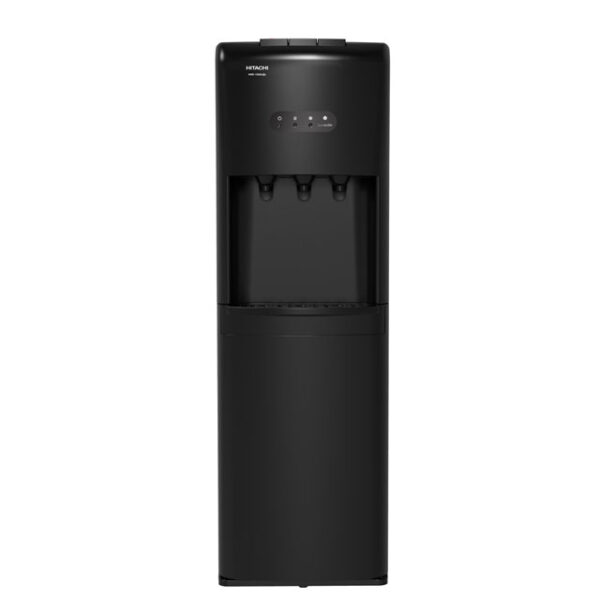
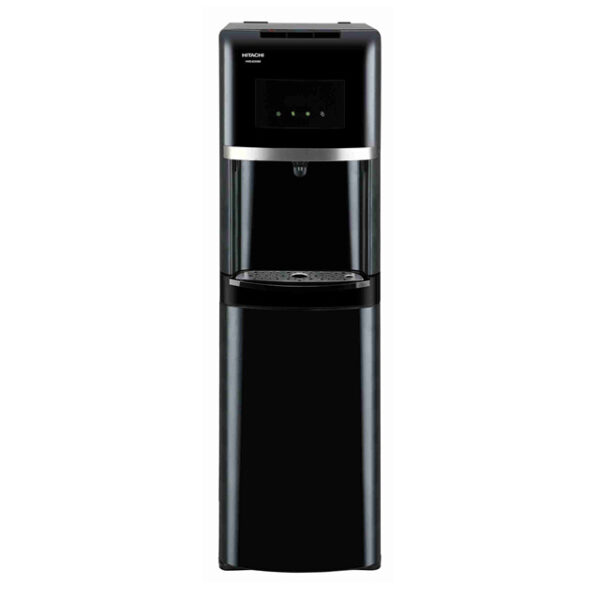
Hitachi — Balanced for Homes & Small Offices
Hitachi bottom-load categories on Yasir Electronics indicate options suited to both residential and light commercial settings. Expect clean lines, reliable day-to-day use, and models that play nicely in living rooms and reception areas. Compare hot/cold output on the product cards to match family size or team headcount, then decide between cabinet storage or a fridge compartment if you want one appliance to do more.
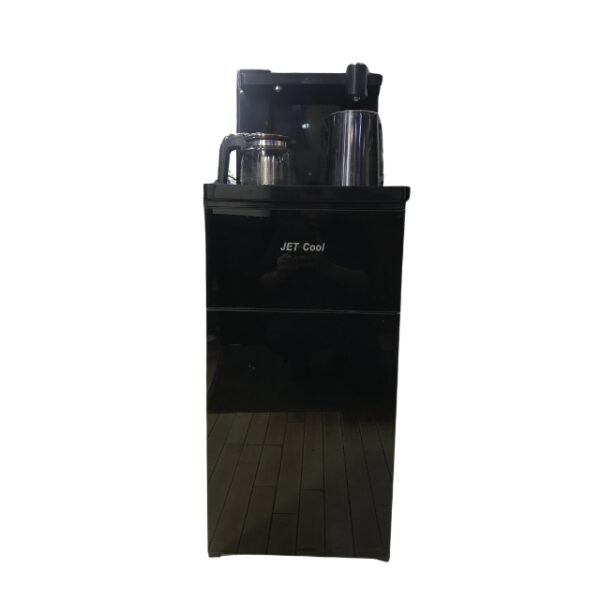
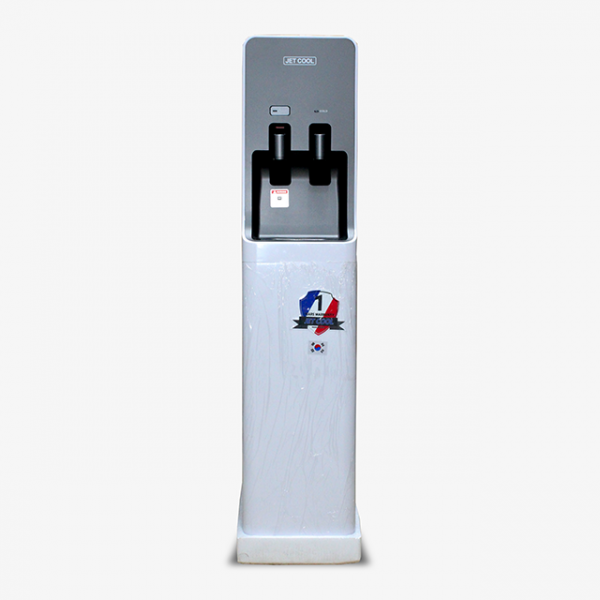
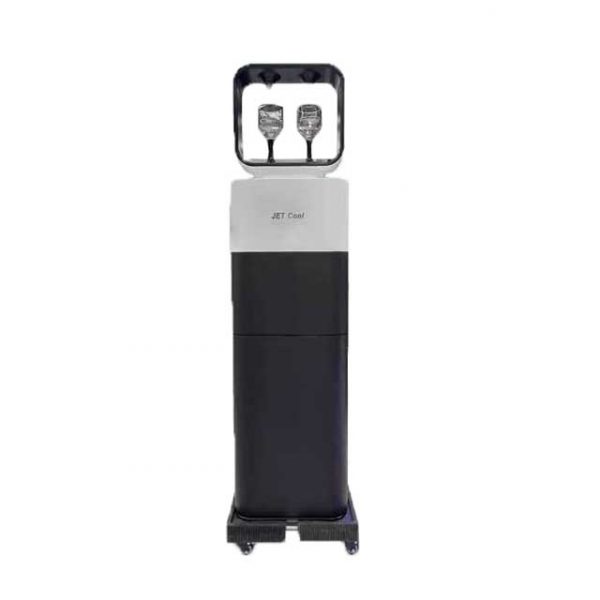
Jet Cool — Locally Positioned, Feature-Forward
Jet Cool emphasises Karachi-ready designs and periodic promos, with models spanning minimalist home units to higher-capacity office picks. Treat brand claims as positioning; confirm specs, pricing, and warranty details on each product card before you buy.
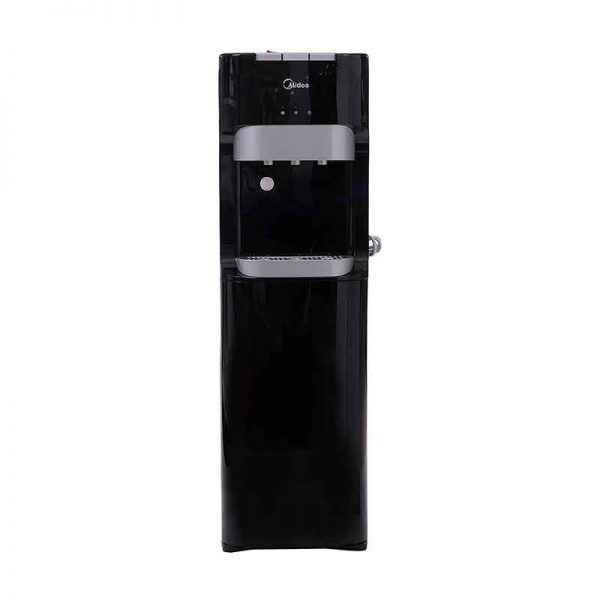
Midea — Premium-Leaning Choices & Polished Finish
Midea’s dispensers are often described as premium-leaning with both top- and bottom-load options, aligned with a reputation for fit-and-finish. If you prefer refined panels and a quieter presence in front-of-house spaces, Midea entries are worth a look—just map features to your actual use case so you pay for what you’ll use daily.
Availability, Delivery & Support (Karachi-Based Help You Can Reach)
Store & Contact
Yasir Electronics
Hashoo Centre, Shop 61, Abdullah Haroon Road Saddar, Karachi
Phone/WhatsApp: 0321 2222391
Availability & Delivery
Product availability can vary by brand, colour, and seasonal demand. Please check the live product cards within the category for current stock and price. Delivery options and charges are shown at checkout; if you need same-day dispatch in Karachi or bulk office quantities, call us to confirm timing.
Warranty & After-Sales
All items carry the manufacturer’s or distributor’s official warranty where stated on the product page. For clarity, review each model’s warranty card/description for coverage on compressor, electronics, and plastics. Our team can guide you on routine maintenance, basic troubleshooting, and spare parts (taps, tubes, drip trays) so you keep your dispenser running smoothly.

 Toshiba 10 Kg Top Load Washing Machine AW-UK1100HT
1 × ₨155,000
Toshiba 10 Kg Top Load Washing Machine AW-UK1100HT
1 × ₨155,000 LG 23 Kg Top Load Washing Machine TH2723SSAV/T
2 × ₨300,000
LG 23 Kg Top Load Washing Machine TH2723SSAV/T
2 × ₨300,000 Commercial Electric Bubble Skewer Waffle Ball Machine
1 × ₨65,000
Commercial Electric Bubble Skewer Waffle Ball Machine
1 × ₨65,000 Sharp Microwave Oven R-88DO(K)-IN Convection
1 × ₨90,000
Sharp Microwave Oven R-88DO(K)-IN Convection
1 × ₨90,000 Jet Cool Dehumidifier BL-830E
1 × ₨119,000
Jet Cool Dehumidifier BL-830E
1 × ₨119,000