
Gree Water Dispensers
Gree Water Dispenser in Pakistan Yasir Electronics currently lists the Gree GW-JL500FC in its Gree Water Dispensers category. It is a floor-standing hot-and-cold water dispenser with compressor cooling,...
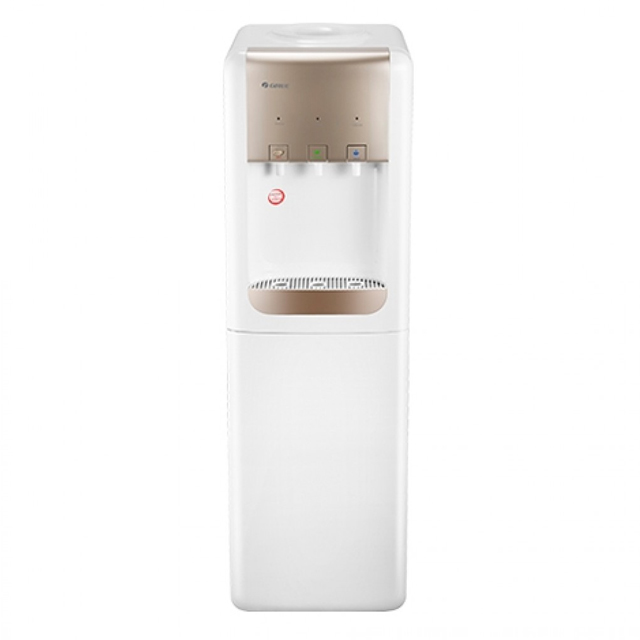 ₨45,000Refrigerator Cabinet: 20 LtrsCooling Power Input: 110 WCold Water Temperature: 5~12 °CCold Water Capacity: 2 L/HHeating Power Input: 580 WHot Water Temp: 85-95 °CWater Tank Capacity: 4 LtrsCompressor Cooling: Yes

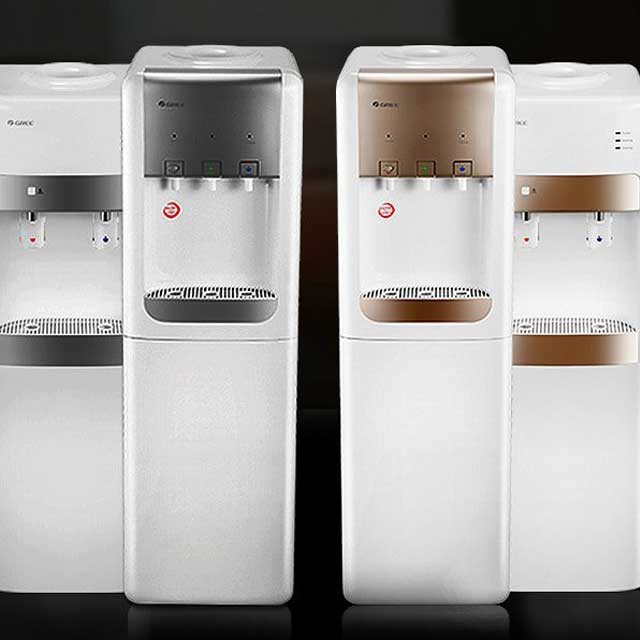
Gree Water Dispenser in Pakistan
Yasir Electronics currently lists the Gree GW-JL500FC in its Gree Water Dispensers category. It is a floor-standing hot-and-cold water dispenser with compressor cooling, a three-tap layout and a lower refrigerator-style cabinet. The model can suit homes, offices, clinics, shops and waiting areas where users want convenient access to chilled and hot drinking water from one appliance.
Before buying, compare more than the brand name. Cooling technology, hot-water use, cabinet function, physical size, bottle arrangement, tap configuration and cleaning access all affect day-to-day suitability. Buyers should also distinguish water output rate from tank or cabinet capacity, and remember that a standard dispenser does not automatically purify the water supplied to it. Current commercial information is shown with the live product listing below.
Current Gree Water Dispenser at Yasir Electronics
| Specification | Verified GW-JL500FC Detail |
|---|---|
| Model | Gree GW-JL500FC |
| Cooling system | Compressor cooling |
| Tap configuration | Three-tap operation |
| Lower cabinet | Refrigerator cabinet |
| Cabinet capacity | 20 litres |
| Cold-water temperature | 5–12°C |
| Hot-water temperature | 85–95°C |
| Safety / status features | Child lock, overheat protection, hot/cold LED indicators |
| Dimensions | 310 × 330 × 1068 mm |
View the exact Gree GW-JL500FC product page before ordering. Heating power, cooling power and litres-per-hour output figures should be rechecked on the supplied unit because currently published Yasir and DWP specifications conflict on those values.
What Does a Gree Water Dispenser Do?
A water dispenser receives drinking water and makes it easier to dispense at different temperatures. The GW-JL500FC is designed for hot and cold water service and uses compressor cooling for its chilled-water function.
A dispenser is not automatically a water purifier. Unless a model includes a verified filtration or purification system, it should be supplied with water that is already suitable for drinking. The current verified GW-JL500FC information does not establish a built-in purification system.
Water Dispenser vs Water Purifier
| Function | Water Dispenser | Water Purifier |
|---|---|---|
| Primary purpose | Dispenses and may heat or cool drinking water | Treats incoming water through model-specific purification or filtration |
| Changes water temperature | Often, depending on model | Not necessarily |
| Makes unsafe source water safe | Not unless verified treatment technology is included | Depends on the exact purification system and source-water conditions |
Do not pour untreated water into a standard bottle-fed dispenser and assume the appliance will make it safe. Water quality depends on the source and any verified treatment system used before dispensing.
What Does Compressor Cooling Mean?
A compressor water dispenser uses a refrigeration circuit to cool the cold-water reservoir. This differs from electronic or thermoelectric systems that use a solid-state cooling module.
Compressor cooling is often chosen where regular chilled-water demand is important, including homes and offices in warm conditions. That does not mean every compressor dispenser is automatically more economical or suitable for every space. Actual performance depends on ambient temperature, usage frequency, ventilation and the appliance design.
Compressor Cooling vs Electronic Cooling
| Factor | Compressor Cooling | Electronic Cooling |
|---|---|---|
| Cooling method | Refrigeration circuit | Thermoelectric/electronic cooling module |
| Cooling demand | Often considered for regular chilled-water use | Can suit lighter cooling requirements |
| Ambient conditions | Performance still depends on room temperature and ventilation | Can be more sensitive to demanding ambient conditions |
| Selection priority | Recovery needs and regular use | Usage pattern and cooling expectations |
Understanding Hot- and Cold-Water Performance
The GW-JL500FC has verified hot- and cold-water temperature ranges, but published temperatures should be read as rated operating specifications rather than a promise that every cup will remain at the minimum or maximum value during continuous heavy use.
Cold-water performance can change with room temperature, incoming water temperature, how often cold water is drawn and the time available for recovery. Hot-water recovery can likewise depend on repeated use and thermostat cycling.
What Does Litres per Hour Mean?
Litres per hour is an output or recovery rate, not the size of the water tank. If a dispenser is rated for a particular cold- or hot-water output per hour, that figure describes how much conditioned water it can produce under stated conditions over time.
It should not be confused with cabinet volume or reservoir capacity. Because Yasir and DWP currently publish conflicting GW-JL500FC output figures, this category copy deliberately avoids quoting one as definitive until the product specification is reconciled.
Cabinet Capacity, Water Capacity and Output Rate Are Different
The GW-JL500FC’s 20-litre lower cabinet refers to storage-compartment volume. A water-tank capacity describes water held in a reservoir. A litres-per-hour figure describes the rate at which hot or cold water can be produced under rated conditions.
These measurements answer different questions and should not be compared as if they represent the same capacity.
What Is the Lower Refrigerator Cabinet?
Yasir and DWP both describe the GW-JL500FC as having a refrigerator cabinet. That wording indicates an actively cooled lower storage compartment, but neither currently provides a verified cabinet temperature range in the sources reviewed for this page.
For that reason, do not assume the compartment performs like a full domestic refrigerator for temperature-sensitive food. Milk, medicine, meat and other perishables should only be stored there if the manufacturer confirms that the compartment maintains an appropriate temperature for that use.
What Does the Three-Tap Layout Mean?
DWP’s exact GW-JL500FC listing verifies three-tap operation. Buyers who specifically need hot, cold and room-temperature water should still confirm the function labels on the supplied unit before purchase rather than inferring the third outlet only from appearance or another Gree variant.
Hot-Water Safety and Child Lock
The GW-JL500FC is listed with a child lock and overheat protection. These are useful features around a hot-water outlet, but they do not remove the need for normal supervision around children.
Hot water from a dispenser can cause burns. Position the appliance where the controls are easy for intended users to reach without making the hot outlet unnecessarily accessible to young children.
Top-Load vs Bottom-Load Water Dispensers
A top-load dispenser places the bottle above the appliance and requires the bottle to be lifted into position. A bottom-load dispenser keeps the bottle in a lower compartment and uses a pump to draw water upward.
Bottom loading can reduce high lifting, while top loading can use a simpler gravity-fed arrangement. Yasir’s current GW-JL500FC page does not clearly establish loading style, so this article does not assign it one. Buyers specifically comparing that feature can compare bottom-loading water dispensers separately.
Check Bottle Compatibility Before Buying
Do not assume every dispenser accepts every bottle size, neck or cap format. Verify bottle compatibility for the exact GW-JL500FC supplied, especially if your home or office already uses a particular bottled-water service.
Rated Power Is Not the Same as Daily Electricity Use
Heating and cooling power ratings describe electrical input while those systems operate. They do not mean the appliance draws that wattage continuously all day.
Actual energy use depends on thermostat cycling, ambient conditions, water demand, hot/cold switch settings and appliance behaviour. A reliable monthly electricity estimate therefore requires more than simply multiplying the rated watts by twenty-four hours.
How Much Space Does the GW-JL500FC Need?
The verified appliance dimensions are 310 × 330 × 1068 mm. Buyers should also leave practical access for the water bottle, taps, drip tray and lower cabinet, plus any ventilation clearance specified by the manufacturer.
Place the unit indoors on a stable, level surface with convenient access to the correct electrical supply. Avoid assuming a generic wall-clearance distance; follow the exact product instructions.
Gree Water Dispenser for Home vs Office
For Home
Consider family drinking-water demand, frequency of hot-water use, child safety, bottle replacement and available floor space. A refrigerator-style cabinet may add storage convenience, but its safe use depends on the compartment’s actual temperature capability.
For Office, Clinic or Shop
Consider peak break times, repeated cold-water use, hot-water demand, bottle-change responsibility and cleaning. An office with several people drawing water at once may place more importance on recovery than a household with lighter, spread-out use.
Do not convert a litres-per-hour rating into an exact number of users. Suitability depends on drinking habits, ambient temperature and how usage is distributed throughout the day.
Using a Gree Water Dispenser in Karachi
For Karachi homes and workplaces, chilled-water demand can increase during warm periods. Useful buying checks include floor space, ventilation around the appliance, electrical compatibility, access to potable bottled water and the practicality of replacing bottles in the intended location.
Water quality can vary by source, building and storage system. The important point is not to assume the dispenser treats unsafe water; supply water that is already suitable for drinking unless a verified purification system is being used.
Cleaning and Hygiene
Regular hygiene should include the drip tray, dispensing nozzles, bottle-contact area and any accessible reservoir-cleaning procedure specified by the manufacturer. Keep exterior surfaces clean and prevent standing water around the appliance.
Do not pour arbitrary concentrations of bleach, vinegar, acids or disinfectants into the drinking-water system. Use the manufacturer-approved sanitising method and never mix cleaning chemicals.
Why Water May Taste or Smell Different
Changes in taste or odour can come from the source water, an old bottle, long periods of inactivity, hygiene issues or newly installed components. Replace questionable source water and use the approved cleaning procedure first.
If an unusual taste or smell persists with fresh drinking water after proper cleaning, stop relying on guesswork and arrange appropriate product inspection or support.
Water Dispenser vs Electric Kettle
A hot-water dispenser can provide ready access to hot water, while an electric kettle heats a separate batch. The better option depends on how often hot water is needed, the temperature required and whether the household or office also wants chilled water from the same appliance.
Neither should be described as universally more energy efficient without comparable operating data.
GW-JL500FC vs GW-JL500FS
DWP’s current catalogue lists both GW-JL500FC and GW-JL500FS, while Yasir currently lists GW-JL500FC only. The suffix difference should not be assumed to mean colour or finish alone because an authoritative explanation of the model distinction was not found in the sources reviewed.
Buyers should compare the full exact model code instead of transferring specifications between FC and FS variants.