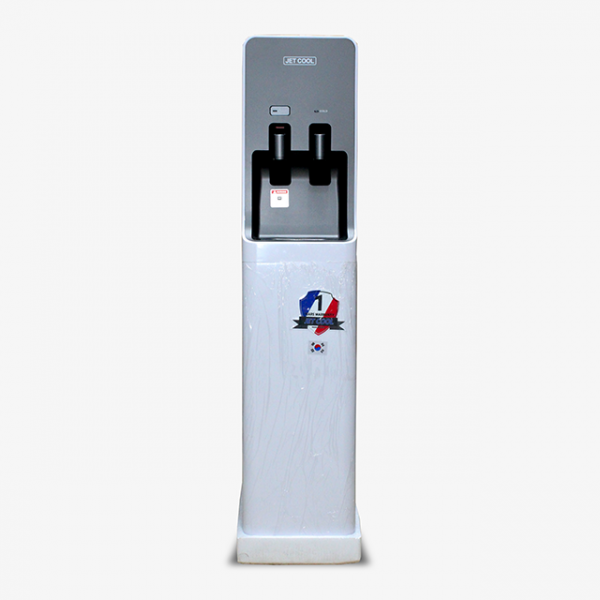
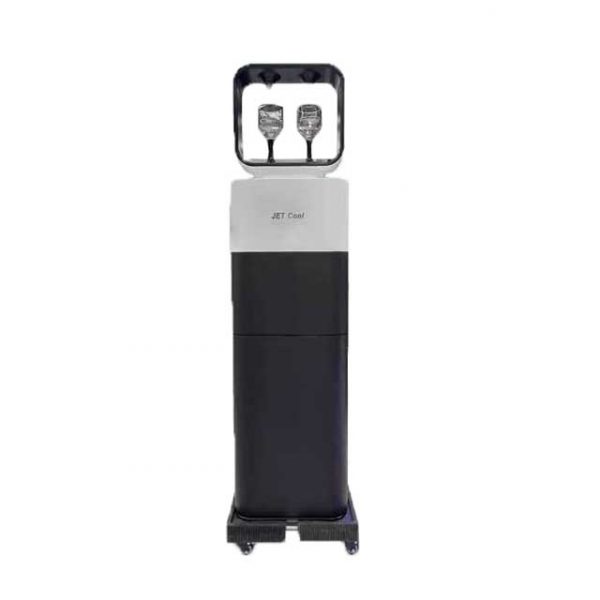
Jet Cool Bottom Load Water Dispensers in Pakistan
Why bottom-load makes everyday use easier
Bottom-loading water dispensers are designed for real-life convenience: the bottle slides into a concealed lower cabinet, so there’s no heavy lifting over your head and no risk of spills while flipping a bottle. The enclosed design also looks cleaner in lounges, reception areas, and kitchens because the bottle isn’t visible. For homes and offices that want hot and cold water on demand, a Jet Cool bottom load water dispenser keeps the workflow smooth—just open, load, close, and dispense.
Beyond ergonomics, bottom-loading units minimize downtime. You don’t need two people to change a bottle, and you won’t interrupt the line at the water point while someone struggles to lift a refill. The sealed suction tube reduces the chance of contamination compared to open-neck top loading. If you’re moving from jugs in the fridge or kettles on the counter, the upgrade feels immediate: faster access, steadier temperature, and a tidier space.
Who benefits most (homes, offices, clinics, shops)
In apartments and houses, especially in Karachi and Lahore where summers are long and hot, a bottom-load unit puts chilled water right at the dining area without clutter. Parents appreciate that hot water is still available for tea or baby bottles while heavy lifting is avoided. For small offices in Saddar or Gulshan, the same unit handles day-long sips and tea breaks without staff needing to queue at the kitchen—great for teams of 8–20.
Banks, clinics, and retail counters in Islamabad’s blue areas often place a dispenser near reception. A bottom-loading model is a better fit than top-loading because bottle changes happen at floor level and look professional for visitors. If your footfall is higher, a 3-tap option (hot/cold/room) prevents bottlenecks at peak times, while the cabinet remains presentable for customer-facing spaces.
What you’ll find on this page
This category page shortlists Jet Cool bottom load dispensers and explains the differences that matter—2-tap vs 3-tap, models with a mini-refrigerator cabinet, and practical energy-use tips. You’ll also see a quick comparison to top-load and direct-piping (POU) so you can confirm you’re choosing the right format for your space and usage.
Because prices, features, and availability can change with exchange rates and supply, we’ll show you how to confirm the latest “jet cool water dispenser price in Pakistan” and warranty details before checkout. We’ll also list clear support steps via Yasir Electronics (0321 2222391, Hashoo Centre, Shop 61, Abdullah Haroon Road Saddar, Karachi) so you always know who to call.
What’s inside a Jet Cool Bottom-Load Dispenser
Tap options and everyday convenience
Most Jet Cool bottom-loading models offer hot and cold water as standard, and some add a third, room-temperature tap for households and offices that routinely mix water for tea or prefer ambient drinking water. Push-tap or push-button designs keep operation simple, while features like child-lock on the hot tap, LED indicators, and night-friendly illumination support round-the-clock use. If you’re searching for a “hot and cold water dispenser Pakistan” that feels intuitive for guests, the Jet Cool layout is built for quick adoption.
When choosing between 2-tap and 3-tap, think about your queue. Families who mostly use cold and hot will be fine with 2 taps; shared spaces where people frequently want room-temperature water appreciate the 3-tap layout (“jet cool water dispenser 3 tap”). For model browsing within your brand taxonomy, you can explore the Jet Cool category pages on your site’s product structure to see how taps and panels vary by model. Useful starting points include the Jet Cool Water Dispenser and the parent Bottom Load Water Dispenser category for broader comparisons.
Models with a mini-refrigerator cabinet—when to pick this
Some Jet Cool dispensers incorporate a compact refrigerator cabinet below the taps. This space holds small beverage cans, lunch items, or cups—handy for offices that don’t have a full-size fridge near the water point. In a Karachi startup office, for example, a fridge-cabinet dispenser near the meeting room can keep bottles chilled without sending people to the pantry mid-discussion.
For homes, this variant is convenient for midnight water refills and storing kids’ snacks; for clinics, it keeps patient cups and sachets within reach. If your priority is maximum bottle-change convenience and a tidy footprint, this “jet cool dispenser with refrigerator” style is worth shortlisting. If storage isn’t needed, a standard bottom-loading unit may be more economical and just as effective for day-to-day hydration.
Energy-conscious design and usage
Bottom-loading dispensers use a compressor for cooling and an internal heater for hot water. Day-to-day electricity draw depends on ambient temperature, how often you dispense, and whether the hot tank is kept always-on. In Pakistan’s long summer, placing the unit away from direct sun and allowing ventilation behind the cabinet helps the compressor cycle efficiently. Switching the hot tank off after office hours (where safe and supported by the model) can reduce non-essential consumption—simple changes that support “energy efficient water dispenser Pakistan.”
Noise levels are usually modest, but placement matters: a quiet corner away from conference mics or bedroom doors avoids hum being noticed. Regular cleaning of the drip tray and wipe-downs of the spout area keep hygiene on point, while scheduled bottle changes prevent suction interruptions. For apartments with voltage fluctuations, pairing the dispenser with a quality surge protector is a practical safeguard. If you prefer to scan all dispenser lines before deciding, the site’s Water Dispenser hub is also available for cross-brand browsing.
Store & Support: Yasir Electronics — 0321 2222391 — Hashoo Centre, Shop 61, Abdullah Haroon Road Saddar, Karachi.
Pick the Right Model for Your Space
Usage & footfall: match taps, capacity feel, and placement
Start with the simple question: how many people will draw water—and how often? In a home where four to six people drink throughout the day, a standard Jet Cool bottom-load unit with hot and cold taps usually keeps up without fuss. The cooling system cycles as needed, and the hot tank is ready for tea or instant meals. In a shared office bay with 10–20 users, a third room-temperature tap reduces queue friction during peak breaks because some people prefer ambient water while others need chilled or hot. That extra tap effectively spreads the load across lines, keeping the pace steady.
Think next about where the dispenser will live. If it’s in a lounge or visible reception, a bottom-loading design hides the bottle for a clean look. In tight kitchens or corridor corners, door-swing room matters; you’ll want enough clearance to open the lower cabinet and slide in a fresh bottle. If you expect frequent bottle changes (busy offices, tuition centers, clinics), ensure the loading height is comfortable for the shortest team member and that there’s a clear path for the person bringing refills. This is one of the biggest real-life improvements over top-loading: no overhead lifting, fewer spills, and faster swaps for everyone.
Karachi–Lahore–Islamabad realities: heat, voltage, and service access
Pakistan’s summer temperatures and varying line voltages can affect any hot & cold appliance. In Karachi apartments, where coastal humidity adds to the heat, placing your dispenser away from direct sun or the oven area helps the compressor cycle efficiently. In Lahore homes with long summer afternoons, ventilation behind the cabinet—just a few centimeters of breathing space—can keep cooling stable. In Islamabad offices where power quality can fluctuate across older buildings, pairing the dispenser with a decent surge protector is a small, smart investment to protect electronics and avoid nuisance tripping.
Service and access matter too. If you’re setting up for a school, clinic, or reception floor, plan a simple maintenance route: a flat, clean area for bottle trolleys to roll in; a nearby bin for the drip tray’s occasional emptying; and shelf room for cups if the model doesn’t include a refrigerator cabinet. Where ambient dust is high (roadsides, open-plan shops), a quick weekly wipe of the dispensing area and periodic cleaning of the drip tray keep hygiene consistent. These are everyday, practical steps that move you from “just installed” to “always dependable”—with less downtime and fewer complaints.
Safety & convenience: child lock, bottle compartment height, cleaning access
Most bottom-loading designs include a safety lock on the hot tap. If you’ve got children at home or walk-in customers near the dispenser, prioritize models that offer a clearly labeled lock or press-and-hold operation for hot water. For senior-friendly setups, test the pressure needed on taps or buttons; very stiff mechanisms can be uncomfortable for older users. If late-night use is likely—hostels, shared apartments, or security desks—LED indicators and low-glow panels are especially handy.
Cleaning is simple but non-negotiable: wipe the nozzle area regularly, empty the drip tray before it overflows, and schedule a deeper clean following the manufacturer’s guide. The suction tube should seat firmly into the bottle—no kinks—so that flow remains steady and sealed. If you select a unit with a mini-refrigerator cabinet, keep it organized with cups and small bottles rather than cramming it with food containers; tidy placement speeds up service and looks professional for visitors.
Checklist: confirm these before you buy
- Decide on 2-tap vs 3-tap based on queue patterns (home vs shared office vs reception).
- Measure the installation space (front door swing, back ventilation, bottle path). Avoid direct sun and heat.
- Plan for power quality: a reliable outlet and, if needed, a surge protector for voltage fluctuations.
- Choose with or without mini-refrigerator cabinet depending on whether you need cup/snack storage at the point of use.
- Check child-lock and hot-water safety mechanism if children or walk-in customers are nearby.
- Confirm after-sales and warranty details for your exact model before checkout.
Price Guidance & Availability in Pakistan
What affects the “jet cool bottom load dispenser price”
Prices vary primarily with features and build: the number of taps, the inclusion of a mini-refrigerator cabinet, panel and finish, and any extra convenience or safety functions. In general, a 3-tap model costs more than a 2-tap model because you’re adding an ambient line and the hardware to route it neatly. Units with refrigerator cabinets also command a premium thanks to added insulation, shelving, and a door assembly. Aesthetic touches—sleek panels, hidden controls, night illumination—can nudge price as well, especially in models positioned for reception areas.
Broader market factors play a role in Pakistan: exchange rates, shipping, and seasonality can move appliance tags during the year. That’s why you’ll often see ranges online rather than fixed numbers. Treat those ranges as directional, then make a quick confirmation call or WhatsApp to lock in the current price for your chosen model. This is the most reliable way to get the true “jet cool water dispenser price in Pakistan” on the day you buy.
How to confirm today’s price in Karachi, Lahore, and Islamabad
For the latest price, availability, and any on-spot promotions, contact Yasir Electronics directly. Share your preferred configuration (2-tap or 3-tap, with or without mini refrigerator cabinet) and your city for delivery. You’ll get a current quote, lead time, and delivery guidance. Because stock and pricing can shift quickly with import cycles, this quick step ensures you don’t base a decision on an outdated listing.
Contact & Store: Yasir Electronics, 0321 2222391, Hashoo Centre, Shop 61, Abdullah Haroon Road Saddar, Karachi. When calling from Lahore or Islamabad, mention your area so we can advise on fulfillment timelines and any city-specific delivery considerations. For browsing first, many buyers start at the brand and category pages on our site: Jet Cool Water Dispenser and Bottom Load Water Dispenser, then ring us to finalize the pick and price.
Warranty & after-sales: what varies and how to check
Warranty coverage can differ by model and batch (e.g., separate durations for compressor vs. electrical components). Because we don’t publish generic promises, we’ll confirm exact coverage for the unit you select at the time of purchase and note the terms on your invoice. Ask about what’s covered, the claim window, and any conditions (power-quality requirements, cleaning/maintenance expectations). Keep that invoice and the product’s serial details in a safe place for quick support later.
For service or questions after purchase, use the same contact: 0321 2222391. If troubleshooting is needed, having a short checklist ready speeds things up—model name, purchase date, a photo of the front panel, and a quick description of the symptom (e.g., “cold water not as cold during afternoon” or “hot tap light on, no flow”). In most cases, simple placement adjustments (ventilation, distance from heat sources) or hot-tank scheduling advice can restore expected performance without a technician visit.
Buying tips for homes and offices (Pakistan-specific)
Homes often value silence and visual tidiness. If the dispenser sits near bedrooms, choose a spot where the compressor’s cycling hum is less noticeable at night. Where kitchens are compact, a fridge-cabinet model can double up as a cup and small-bottle store to reduce pantry trips. For offices, think in terms of queue smoothing: a 3-tap model at reception and a 2-tap model near the pantry can break up crowding during peak tea times, giving everyone faster access and keeping the lobby calm for visitors.
Delivery and placement are the final steps to plan. Ask about delivery timing for your city, and tell the team if your building has stairs or a service elevator. Have a stable, level surface ready, check socket reach, and allow ventilation at the back. If you’re still weighing options across brands or want to compare aesthetics, you can also explore our broader Water Dispenser collection for cross-checking finishes and panel layouts before you lock in your Jet Cool choice.
Quick summary for price-seekers: feature set (2 vs 3 taps, with/without mini-fridge) and market conditions drive the “jet cool bottom load dispenser price.” Confirm the live price and warranty before checkout via 0321 2222391—it’s the fastest way to align budget, availability, and delivery slot for Karachi, Lahore, and Islamabad.
Quick Comparison to Help You Decide
Bottom-load vs Top-load: ergonomics, hygiene, and look
Ergonomics: A bottom-loading design keeps bottle swaps at ground level—no overhead lifting, no awkward flips, and fewer spills. That’s a real advantage for homes with seniors, and for busy offices where the person changing bottles shouldn’t need assistance. By contrast, top-load units require hoisting a full bottle above shoulder height, which can be inconvenient in tight spaces or for shorter users.
Hygiene & aesthetics: With bottom-loading, the bottle is concealed in a closed compartment, so your lounge or reception looks clean and professional. The sealed suction tube reduces exposure at the bottle neck. Top-load units are simple and economical, but the visible bottle can look cluttered, and open swapping exposes the neck more often. If the dispenser sits near your entry or waiting area, bottom-load typically wins for a neat, modern appearance.
Bottom-load vs direct-piping (POU): bottle convenience vs plumbing
Bottle-based convenience: A Jet Cool bottom load water dispenser runs wherever you have power and a steady supply of bottled water—ideal for rented apartments and flexible office layouts. No permanent plumbing, and moving the unit is as easy as rolling it to a new spot. With POU (plumbed-in) systems, you’ll need access to a water line and filtration; that’s great for high-volume sites but less flexible for tenants who can’t modify walls or cabinetry.
Cost & water quality strategy: With POU, ongoing costs shift to filter replacements; with bottled systems, you manage deliveries and bottle storage. If your building water quality is inconsistent, bottled water often gives more predictable taste and service continuity. If your footfall is very high and filtration is reliable, a POU could be more economical long-term. For most homes and small to medium offices in Pakistan, bottom-loading hits the sweet spot of easy setup, predictable taste, and tidy presentation.
Fast decision cues for homes, offices, clinics
Homes: If you want a bottom loading water dispenser with hot and cold for tea, instant meals, and chilled water through summer, a 2-tap model works for most families. Add a mini-refrigerator cabinet if you like keeping cups/snacks at the point of use to reduce pantry trips. Place it away from cooktops and direct sun for the quietest, most efficient operation.
Offices & clinics: For 10–20 users, a 3-tap model smooths queues because some prefer ambient water while others want cold or hot. If your reception is customer-facing, the concealed bottle of a bottom-load keeps the foyer tidy. Comparing across brands can help you calibrate budget and look—browse alternatives like Midea bottom-load water dispensers and Panasonic bottom-load water dispensers to validate your choice before you lock in Jet Cool.

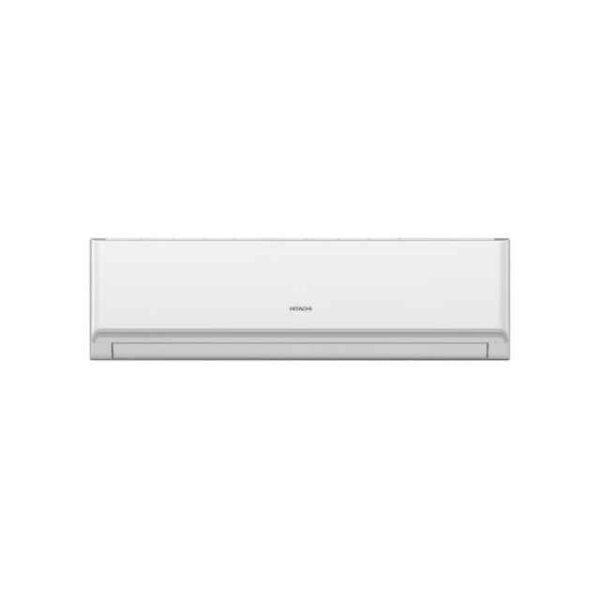 Hitachi Split Air Conditioner RAK-AJ18PHAM 1.5 Ton
1 × ₨185,000
Hitachi Split Air Conditioner RAK-AJ18PHAM 1.5 Ton
1 × ₨185,000 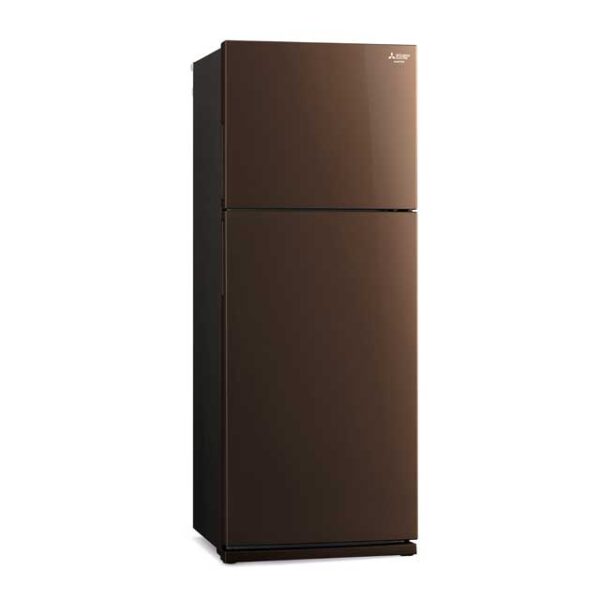 Mitsubishi Refrigerator MR-FS45ES Inverter
1 × ₨315,000
Mitsubishi Refrigerator MR-FS45ES Inverter
1 × ₨315,000  Hitachi 8 Kg Front Load Washer BD-80GE
1 × ₨185,000
Hitachi 8 Kg Front Load Washer BD-80GE
1 × ₨185,000 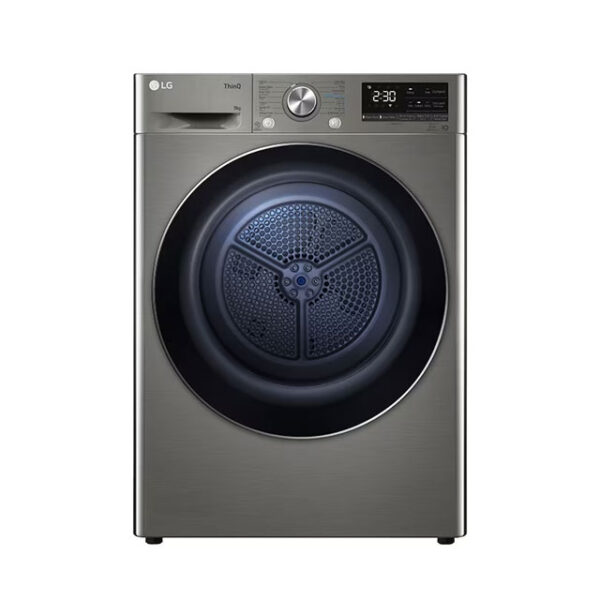 LG RH90V9PV8N 9 Kg Front Load Dryer
1 × ₨245,000
LG RH90V9PV8N 9 Kg Front Load Dryer
1 × ₨245,000 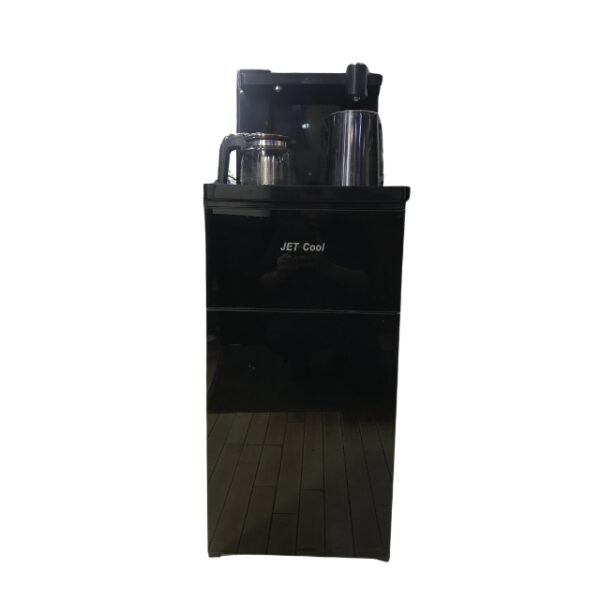 Jet Cool Water Dispenser JT-1000 With Automatic Tea Bar Machine
1 × ₨80,000
Jet Cool Water Dispenser JT-1000 With Automatic Tea Bar Machine
1 × ₨80,000